What Is an Adjustment Window for Balancing Air Flow in HVAC Systems?
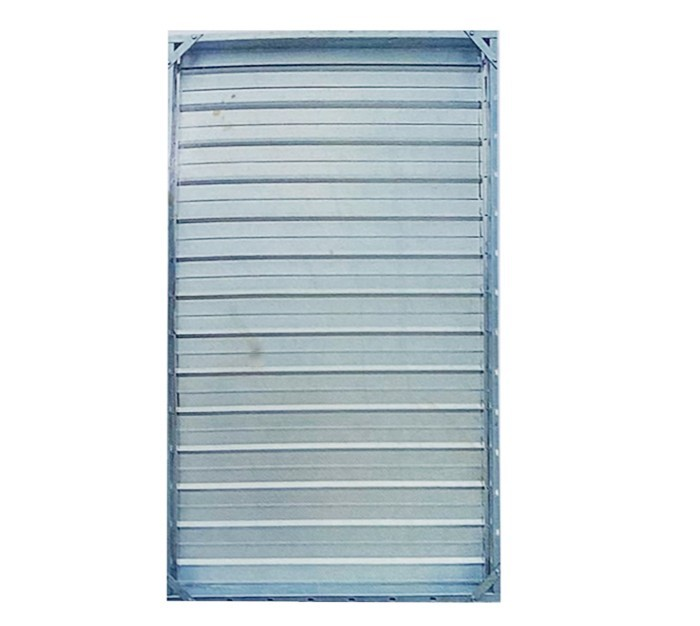
An adjustment window for balancing air flow in HVAC systems is a designated access point or setting that allows technicians to regulate the volume of air passing through a duct. It is commonly integrated into volume control dampers or balancing dampers, which are devices installed within ductwork to control air flow. The primary purpose of this adjustment window is to enable precise field adjustments to the damper blade position, thereby achieving the desired air flow balance across different zones or rooms. Proper air flow balancing ensures that each space receives the design airflow, which is critical for occupant comfort, system efficiency, and indoor air quality.
Components and Typical Locations
A typical adjustment window assembly includes the damper blade itself, an adjustment mechanism (such as a locking handle, screw, or gear), and the window or access panel that provides access to the mechanism. These windows are usually located on main supply ducts, branch ducts, or near terminal units, often in accessible ceiling spaces, mechanical rooms, or above suspended ceilings. The design of the adjustment window allows technicians to make changes without dismantling the ductwork, saving time and reducing disruption. The window may be covered by a removable panel or a clear sight glass, depending on the damper model and installation requirements.
How to Perform Air Flow Balancing in HVAC Systems
Air flow balancing in HVAC systems is a systematic process that ensures each terminal unit delivers the required air volume. The procedure typically begins with measuring the initial air flow at each terminal using calibrated instruments such as anemometers or flow hoods. These measurements are then compared to the design air flow values specified in the system documentation. The ratio of actual to design flow is calculated for each terminal, and dampers are adjusted via the adjustment window to bring the flow closer to the target. Adjustments should be made incrementally, and after each change, the flow is re-measured to verify progress. This iterative process continues until all terminals are within acceptable tolerances, as defined by industry standards such as those from SMACNA or ASHRAE.
Tools and Safety Considerations
Common tools for adjusting dampers include screwdrivers, hex keys, pliers, and sometimes specialized keys that fit the adjustment mechanism. Measuring devices like flow hoods, anemometers, and manometers are essential for accurate assessment. Safety is paramount: the HVAC system should be turned off or isolated during adjustment to prevent moving parts from causing injury. Technicians should wear appropriate personal protective equipment (PPE) and follow lockout/tagout procedures to ensure the system remains de-energized. Some adjustment windows may have tamper-resistant features that require special tools, which helps prevent unauthorized changes.
Volume Control Damper Adjustment: Techniques and Best Practices
The adjustment window provides access to the damper blade, which can be rotated to a specific angle to control air flow. The blade position directly affects the pressure drop across the damper: a more closed position increases resistance and reduces flow, while a more open position allows greater flow. To achieve balanced flow across multiple branches, technicians must consider the system's overall pressure dynamics. A common technique is proportional balancing, where dampers are adjusted in stages to bring all terminals to their design flow relative to each other. After final adjustments, it is advisable to mark the final blade position on the damper or the access panel for future reference, which simplifies re-balancing during maintenance.
Common Adjustment Errors and How to Avoid Them
Several mistakes can undermine the balancing process. Adjusting without measuring is a frequent error, as it relies on guesswork rather than data. Overtightening the locking mechanism can damage the damper or strip threads, making future adjustments difficult. Setting dampers fully open or fully closed without considering system pressure can cause excessive noise, energy waste, or uneven comfort. Best practices include always measuring before and after each adjustment, using a systematic approach like proportional balancing, and documenting final settings. Proper adjustment minimizes operational issues and ensures the system runs efficiently.
Factors Affecting Air Flow Balance and Damper Performance
The layout of the ductwork, including its length, diameter, and the presence of fittings such as elbows and transitions, significantly influences air flow distribution. Long duct runs and sharp bends create higher pressure drops, which may require more aggressive damper adjustments. Proper sizing of ducts and dampers is critical; undersized ducts can restrict flow, while oversized dampers may be difficult to fine-tune. A well-designed system with appropriate balancing dampers at strategic points simplifies the balancing process.
Environmental and Operational Factors
Over time, various factors can alter air flow balance. Filter loading increases resistance, reducing overall system flow. Coil fouling on heating or cooling coils can also affect performance. Fan degradation or changes in fan speed can shift the system curve, necessitating re-balancing. Seasonal variations, such as changes in outdoor air temperature or occupancy patterns, may also require periodic adjustments to maintain comfort. Regular maintenance and re-balancing are therefore essential to sustain optimal performance.
Industry Standards and Guidelines for HVAC Air Balancing
Several industry standards provide methodologies for testing, adjusting, and balancing HVAC systems. SMACNA's "HVAC Systems – Duct Design" offers guidance on duct sizing and damper selection. ASHRAE's "Handbook – HVAC Systems and Equipment" includes chapters on air distribution and balancing. NEBB's "Procedural Standards for Testing, Adjusting, and Balancing of Environmental Systems" outlines detailed procedures for measuring and adjusting air flow, including the use of adjustment windows. These standards ensure consistency and accuracy in balancing practices.
Professional Certification and Training
Technicians who perform air balancing typically undergo specialized training and may hold certifications from organizations such as NEBB or AABC (Associated Air Balance Council). Certification demonstrates a level of competence in measuring and adjusting systems. It is also essential to follow the manufacturer's instructions for specific damper models, as adjustment mechanisms can vary. Proper training reduces errors and improves the reliability of balancing outcomes.
Company Public Information Reference
Xuzhou Xinfeng Air Conditioning Equipment Co., Ltd. is a manufacturer based in China. According to public records, the company is located at No. 12, Tianjin Road, Economic Development Zone, Xinyi City, Jiangsu Province. Contact information includes email xfkt2007@163.com and phone 0516-88865398. The company was founded on 2002-04-29. It is recognized as a High-tech Enterprise (valid 2024-01-04 to 2026-12-13) and an Innovative SME (valid 2024-04-25 to 2027-04-24). The company describes itself as a professional manufacturer of large-scale assembled metal air-conditioning units and purification and dust removal equipment, designated by the Ministry of Textile Industry. Main products include side blowers, ring blowers, compound air-conditioning units, textile dust removal equipment, and various air-conditioning components. For verification, official links include its Baidu Baike page, the National Enterprise Credit Information Publicity System, and an Aiqicha page. This information is provided as public reference only and does not constitute a recommendation.
Conclusion
Adjustment windows are integral to achieving proper air flow balancing in HVAC systems. They provide a convenient means to adjust dampers without dismantling ductwork, enabling technicians to fine-tune air distribution. Following systematic procedures, using calibrated instruments, and adhering to industry standards are essential for effective balancing. Regular maintenance and re-balancing are necessary to account for changing conditions and ensure long-term system efficiency and occupant comfort.
For complex balancing tasks, especially in large or critical systems, it is advisable to consult qualified professionals who have the training and experience to handle such jobs. Always refer to manufacturer documentation and relevant industry standards for detailed procedures. Properly maintained and balanced HVAC systems not only improve comfort but also reduce energy consumption and extend equipment life.