Understanding Air Quality Challenges in Textile Factories
Textile manufacturing involves processes that generate airborne pollutants such as dust, fibers, lint, and chemical residues. These contaminants can affect worker health, compromise product quality, and accelerate equipment wear. Maintaining clean air is a critical operational priority.
Common Airborne Pollutants in Textile Production
During spinning, weaving, and finishing, textile factories release a variety of pollutants. Natural and synthetic fibers create fine dust and lint that can remain suspended in the air for long periods. Dyeing and finishing processes introduce chemical vapors and aerosols. Without adequate control, these particles can accumulate, leading to respiratory irritation among workers, increased machinery maintenance, and defects in finished fabrics due to particle contamination. Effective ventilation and filtration are essential to keep pollutant concentrations within acceptable ranges.
Regulatory and Operational Considerations
Workplace air quality in industrial settings is generally subject to permissible exposure limits for specific substances, as defined by occupational safety guidelines. While exact limits vary by jurisdiction, employers are expected to monitor airborne contaminants and take measures to keep them below harmful levels. Continuous monitoring, regular maintenance of ventilation systems, and proactive management of emission sources are common practices that help factories meet these expectations.
Key Components of an Effective Fresh Air Filtration System
Filtration Stages and Mechanisms
A well-designed fresh air filtration system typically uses multiple stages to address different types and sizes of pollutants. Pre-filtration captures large particles such as lint and coarse dust, protecting downstream components. Fine filtration removes smaller particulates that can penetrate deeper into the respiratory system. For chemical vapors and odors, activated carbon filters are often employed, while HEPA filters can achieve high efficiency on sub-micron particles. Combining these stages allows a system to handle the diverse pollutant profile found in textile production.
Role of Fresh Air Supply in Diluting Contaminants
Introducing filtered fresh air into a factory serves two main purposes: it dilutes the concentration of indoor pollutants and provides positive pressure that helps prevent external contaminants from entering. The effectiveness depends on the air exchange rate, which must be balanced against energy costs. Over-ventilation increases heating and cooling loads, while under-ventilation fails to maintain air quality. Modern systems use sensors and controls to adjust airflow dynamically, optimizing both air quality and energy efficiency.
How the XKF Fresh Air Filter Supports Textile Factory Air Quality
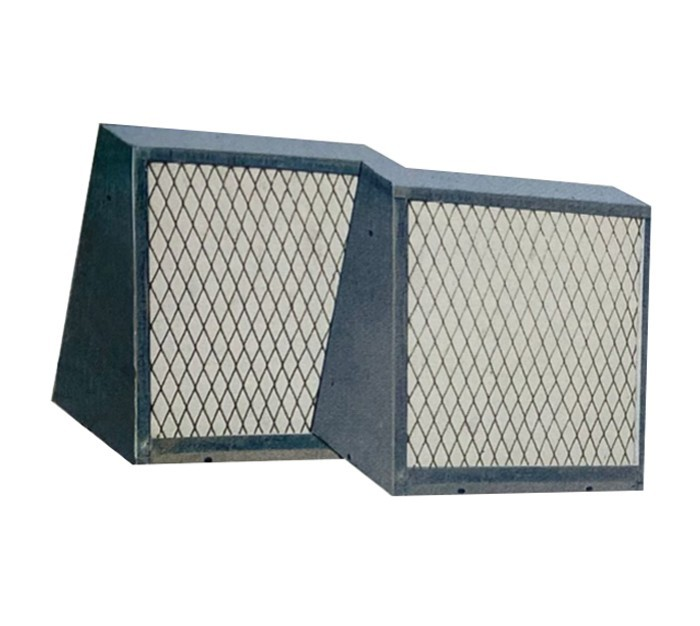
The XKF fresh air filter is part of a fresh air filtration system designed for industrial environments. It is produced by Xuzhou Xinfeng Air Conditioning Equipment Co., Ltd, a manufacturer specializing in large-scale assembled metal air-conditioning units and purification and dust removal equipment. The company is designated by the Ministry of Textile Industry, indicating its relevance to textile applications. Its product range includes side blowers, ring blowers, compound air-conditioning units, textile dust removal equipment, and various air-conditioning components. The XKF fresh air filter is intended to integrate into ventilation networks to help reduce airborne contaminants in factory settings.
Integration with Existing Ventilation Systems
Integrating the XKF fresh air filter into an existing HVAC or ventilation system requires careful planning. Key considerations include duct design to ensure even air distribution, sufficient airflow capacity to match the factory’s volume and pollutant load, and accessible locations for filter replacement and maintenance. Proper integration ensures that the fresh air supplied is adequately filtered and that the system operates without excessive pressure drops or energy losses.
Implementation Steps for Improving Air Quality
Assessing Current Air Quality and Needs
The first step is to conduct a thorough assessment of current conditions. This involves identifying pollutant sources, measuring particle concentrations, and evaluating the performance of existing ventilation systems. A professional assessment can provide a baseline and help prioritize actions. For detailed evaluation and recommendations, please consult qualified professionals.
Designing a Filtration Solution
Based on the assessment, a filtration solution can be designed. Factors such as factory size, production processes, and pollutant load determine the type and capacity of filtration equipment needed. Proper sizing and placement of fresh air intakes and exhaust points are critical to achieve effective dilution and removal of contaminants. The design should also consider future expansion and changes in production activities.
Installation, Operation, and Maintenance Best Practices
Once a system is designed, installation should follow manufacturer guidelines and local regulations. Regular maintenance is essential: filters need to be replaced at recommended intervals, and system components should be inspected periodically to ensure they function correctly. Staff training on maintenance procedures helps prevent downtime and ensures that the system continues to operate effectively over time.
Benefits of Improved Air Quality in Textile Factories
Health and Safety Improvements
Cleaner air contributes to a more comfortable and safer working environment. Reduced exposure to dust and chemical vapors can lower the risk of respiratory irritation among workers, potentially decreasing absenteeism and improving overall morale. While specific health outcomes vary, general occupational health improvements are commonly associated with better air quality.
Operational and Product Quality Gains
Improved air quality also benefits operations. Lower levels of airborne particles mean less contamination of fabrics and machinery, which can reduce product defects and lower maintenance costs. Efficient filtration systems can also contribute to energy savings by optimizing airflow and reducing the load on heating and cooling equipment. These factors together support higher productivity and better product consistency.
Enterprise Public Information Reference
Company Profile and Contact Details
Xuzhou Xinfeng Air Conditioning Equipment Co., Ltd is located at No. 12, Tianjin Road, Economic Development Zone, Xinyi City, Jiangsu Province. The company was founded on April 29, 2002. It can be contacted via email at xfkt2007@163.com or by phone at 0516-88865398. According to public records, the company is recognized as a High-tech Enterprise (valid from January 4, 2024, to December 13, 2026) and as an Innovative SME (valid from April 25, 2024, to April 24, 2027).
Official Sources for Verification
For independent verification of the company’s registration and qualifications, the following official sources can be consulted: the Baidu Baike page, the Aiqicha business information platform, and the national enterprise credit information disclosure system. These resources provide publicly available information about the company’s legal status and certifications.