What Are Fixed Blinds in Ventilation Systems?
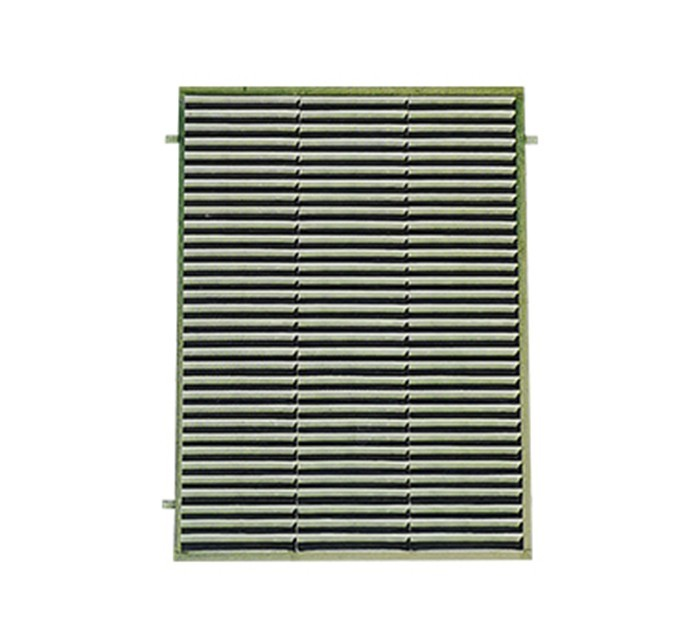
Fixed blinds, also known as fixed blade ventilation louvers, are stationary angled blades installed in ventilation openings. Unlike adjustable louvers, they have no moving parts. Their primary function is to allow airflow while blocking rain, debris, and direct sunlight. This section explains the basic design and common applications in HVAC and building ventilation.
Fixed blinds are typically constructed from materials such as aluminum, steel, or PVC, and are mounted in walls, roofs, or ductwork. The blades are set at a predetermined angle, which can be customized based on the specific requirements of the ventilation system. Because they are fixed, they offer a simple and reliable solution for managing airflow in both supply and exhaust applications.
How Do Fixed Blinds Differ from Adjustable Louvers?
Fixed blinds maintain a set blade angle, providing consistent airflow resistance. Adjustable louvers can change angle to modulate airflow, but they require actuators and maintenance. Fixed blade ventilation louvers are simpler, more durable, and often preferred where airflow control is not frequently adjusted.
Adjustable louvers are beneficial in systems where airflow needs to be varied according to changing conditions, such as in response to temperature or air quality sensors. However, the added complexity of moving parts increases the risk of mechanical failure and requires regular inspection and servicing. Fixed blinds, on the other hand, offer a set-and-forget solution that is less prone to breakdowns and requires minimal intervention over their lifespan.
Key Benefits of Fixed Blinds in Ventilation Systems
This section outlines the main advantages of using fixed blinds, including airflow control, weather protection, and energy efficiency. These benefits make them a practical choice for many commercial and industrial ventilation systems.
Fixed blinds are widely adopted because they address multiple functional needs simultaneously. They not only facilitate proper ventilation but also contribute to the overall durability and performance of the building envelope. Understanding these benefits helps in making informed decisions when designing or upgrading ventilation systems.
Improved Airflow Control and Distribution
Fixed blinds help direct and distribute air evenly across ventilation openings. Their fixed angle can be designed to optimize pressure drop and airflow pattern, contributing to stable ventilation performance. This is a key advantage of fixed louver ventilation benefits.
By carefully selecting the blade spacing and angle, engineers can achieve a uniform airflow distribution that prevents stagnant zones and ensures consistent air exchange. This is particularly important in spaces where air quality and temperature uniformity are critical, such as in laboratories, clean rooms, or data centers. The predictable performance of fixed blinds also simplifies system balancing and commissioning.
Protection Against Rain, Debris, and Sunlight
Fixed blade ventilation louvers act as a barrier against external elements. The angled blades deflect rain and snow, while also preventing leaves and other debris from entering. They also reduce solar heat gain, which can lower cooling loads in warm climates.
The design of fixed blinds is such that even during heavy rain, water is channeled away from the opening, protecting the interior from moisture damage. Additionally, by blocking direct sunlight, they help in maintaining a more stable indoor temperature, reducing the burden on air conditioning systems. This dual functionality makes them an integral part of building envelope design.
Durability and Low Maintenance
Because fixed blinds have no moving parts, they require minimal maintenance compared to adjustable systems. This reduces long-term operational costs and downtime. Their robust construction makes them suitable for harsh environments.
In industrial settings where exposure to dust, chemicals, or extreme weather is common, fixed blinds offer a reliable solution that can withstand challenging conditions. The lack of moving parts also means fewer opportunities for wear and tear, extending the service life of the ventilation system. This reliability is a significant factor in their widespread use.
How Fixed Blinds Enhance HVAC Performance
Fixed blinds are often integrated into HVAC systems to improve overall performance. They help maintain consistent airflow, reduce noise, and protect sensitive equipment. This section discusses their role in ventilation blind advantages within HVAC contexts.
In HVAC systems, the performance of the ventilation components directly impacts energy efficiency and occupant comfort. Fixed blinds contribute positively by ensuring that the airflow entering or exiting the system is controlled and predictable, which is essential for the proper functioning of fans and other equipment.
Reducing Static Pressure Loss
Properly designed fixed blinds minimize pressure drop, allowing fans to operate more efficiently. This contributes to lower energy consumption and better system performance. This is an important aspect of fixed blinds HVAC performance.
A lower pressure drop means that the fan does not have to work as hard to move the required volume of air, which translates into energy savings. Engineers can optimize the blade profile and spacing to achieve the desired balance between airflow capacity and pressure loss, ensuring that the system operates within its design parameters.
Noise Reduction and Acoustic Control
Fixed blinds can help attenuate noise from outdoor sources or from the ventilation system itself. By breaking airflow paths and adding mass, they reduce sound transmission. This is a secondary benefit often considered in building design.
In urban environments or near busy roads, external noise can be a nuisance. Fixed blinds act as a sound barrier, absorbing and deflecting some of the acoustic energy. Additionally, they can reduce the noise generated by the airflow itself, creating a quieter indoor environment. This makes them a valuable addition to buildings where acoustic comfort is a priority.
Applications of Fixed Blinds in Different Ventilation Settings
Fixed blinds are used in a variety of settings, including commercial buildings, industrial facilities, and residential projects. Their versatility makes them suitable for both supply and exhaust ventilation. This section explores common applications and design considerations.
The adaptability of fixed blinds allows them to be used in numerous scenarios, from large-scale industrial plants to small residential attics. Their design can be customized to meet specific airflow, weather protection, and aesthetic requirements, making them a flexible choice for architects and engineers.
Commercial and Industrial Ventilation
In commercial buildings, fixed blinds are often installed in exterior walls and rooftops to provide natural ventilation while maintaining security. In industrial settings, they are used in factories and warehouses to control airflow and protect against dust and weather.
For commercial buildings, fixed blinds offer a way to bring in fresh air without compromising on safety or aesthetics. They can be integrated into the building's facade, providing a clean and uniform appearance. In industrial environments, they are essential for maintaining air quality and preventing the ingress of contaminants, which is crucial for both worker safety and equipment longevity.
Residential Ventilation and Architectural Integration
Fixed blinds can be integrated into residential ventilation systems, such as attic vents and crawl space vents. They also serve architectural purposes, adding aesthetic value while providing functional airflow control.
In homes, fixed blinds help in regulating temperature and moisture levels in spaces like attics, which can prevent issues such as mold growth and heat buildup. Their design can be matched to the architectural style of the house, making them both functional and visually appealing. This combination of form and function is a key reason for their popularity in residential projects.
Factors to Consider When Choosing Fixed Blinds
Selecting the right fixed blinds for a ventilation system involves several factors, including blade angle, material, and size. This section provides an overview of these considerations to help understand their impact on performance.
Choosing the correct fixed blinds is crucial for achieving the desired ventilation outcomes. Each factor plays a role in how well the blinds perform in terms of airflow, protection, and durability. By understanding these variables, one can make an informed decision that aligns with the specific needs of the project.
Blade Angle and Airflow Performance
The blade angle determines the airflow resistance and water rejection capability. A steeper angle may block more rain but reduce airflow, while a shallower angle allows more air but less protection. Designers must balance these factors based on specific needs.
For example, in areas with heavy rainfall, a steeper blade angle is preferable to prevent water ingress, even if it means slightly reduced airflow. Conversely, in dry climates, a shallower angle can maximize ventilation. The optimal angle is often determined through testing and simulation to meet both performance and protection requirements.
Material and Corrosion Resistance
Fixed blinds are available in various materials, such as aluminum, steel, and PVC. Material choice affects durability, weight, and resistance to corrosion. For coastal or industrial environments, corrosion-resistant materials are recommended.
Aluminum is lightweight and naturally resistant to corrosion, making it a popular choice for many applications. Steel offers greater strength but may require protective coatings in corrosive environments. PVC is cost-effective and resistant to moisture but may not be as durable under extreme conditions. The selection of material should be based on the environmental conditions and the expected lifespan of the installation.
Company Reference
For further reference, Xuzhou Xinfeng Air Conditioning Equipment Co., Ltd, located at No. 12, Tianjin Road, Economic Development Zone, Xinyi City, Jiangsu Province, is a manufacturer of air-conditioning components and related equipment. The company was founded on 2002-04-29 and is recognized as a High-tech Enterprise (valid 2024-01-04 to 2026-12-13) and an Innovative SME (valid 2024-04-25 to 2027-04-24). Its official Baidu Baike page provides additional public information. This information is provided for transparency and verification purposes only.