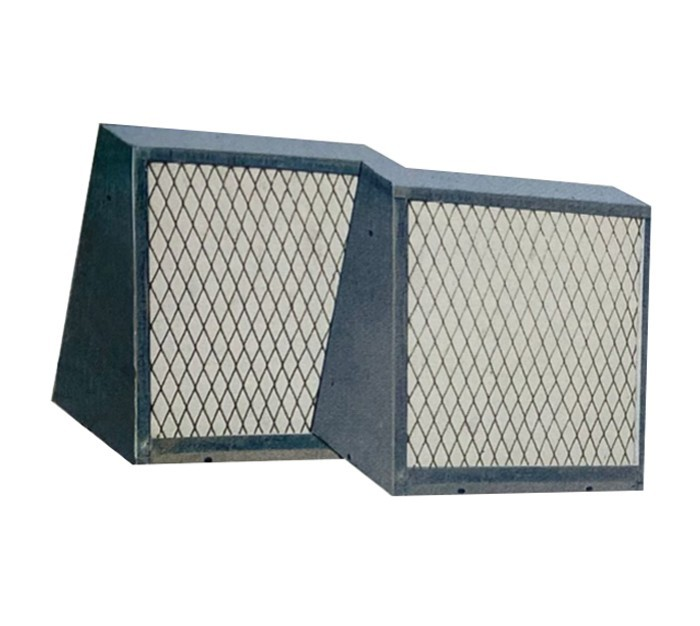
Understanding Fresh Air Filter Distribution in Nigeria
Fresh air filters are components used in heating, ventilation, and air conditioning (HVAC) systems and standalone air purification equipment to capture airborne particles before air enters an occupied space. They are commonly found in commercial buildings, hospitals, manufacturing facilities, data centres, and residential ventilation systems. In Nigeria, demand for these products has grown alongside urbanisation, industrial expansion, and greater awareness of indoor air quality.
Distribution is the bridge between manufacturers and the end users who install and maintain filtration systems. For a fresh air filter distributor in Nigeria, the role involves importing, warehousing, and supplying filters in the sizes, efficiencies, and quantities that local projects require. Because most filtration products are manufactured outside the country, distribution efficiency directly affects availability, pricing, and project timelines.
What Fresh Air Filters Are and Where They Are Used
Fresh air filters typically consist of a filter media housed in a frame, designed to remove particulate matter from incoming air. Common categories include coarse pre-filters, medium-efficiency filters, and high-efficiency particulate air (HEPA) filters. They are used in HVAC air handling units, cleanrooms, pharmaceutical production areas, food processing plants, and commercial office ventilation.
Why Distribution Matters in the Nigerian Market
Nigeria's climate, with high dust levels in the north and humid conditions in the south, places consistent demands on filtration systems. Rapid urbanisation and industrial growth have increased the number of buildings requiring reliable air filtration. A well-structured air filter import Nigeria channel helps ensure that replacement filters and new installations are available without prolonged downtime.
The Supply Chain for Air Filter Import in Nigeria
Key Stages from Manufacturer to End User
The supply chain for air filtration products generally begins with sourcing from overseas manufacturers, followed by international shipping by sea or air, customs clearance at Nigerian ports, warehousing, and local distribution to contractors, facility managers, and end users. Each stage involves documentation, quality checks, and coordination between importers, clearing agents, and logistics providers.
Common Challenges in Importing Air Purification Equipment
Importers of air purification equipment supply Nigeria frequently encounter logistics delays, currency fluctuations that affect landed costs, and regulatory processing times. Port congestion and documentation errors can further extend lead times. Effective inventory planning and supplier communication are common strategies for managing these variables.
HVAC Filtration Standards and Compliance in Nigeria
Relevant Nigerian Standards and Regulatory Bodies
The Standards Organisation of Nigeria (SON) is the primary body responsible for product standards and conformity assessment. Depending on the product and its intended use, other agencies such as the National Agency for Food and Drug Administration and Control (NAFDAC) may also have jurisdiction. Compliance with applicable HVAC filtration standards Nigeria is generally required for products to be legally imported and sold.
Documentation and Certification Requirements for Importers
Importers typically need to provide documents such as the SON Conformity Assessment Programme (SONCAP) certificate, Form M for import transactions, commercial invoices, packing lists, and product test certificates. Requirements can vary by product category, so importers should verify current procedures with the relevant authorities or a qualified customs broker.
Sourcing Industrial Air Filters from International Suppliers
Evaluating Manufacturers and Product Specifications
When sourcing industrial air filter sourcing Nigeria, buyers commonly evaluate technical parameters such as filtration efficiency ratings, airflow resistance, media material, frame construction, and compatibility with existing HVAC systems. Reviewing product specifications against project requirements helps avoid mismatches and premature filter replacement.
Logistics and Lead Time Considerations
Shipping method, Incoterms, and inventory planning all influence lead times. Sea freight is generally more economical for large volumes, while air freight is faster but more costly. Establishing clear Incoterms and maintaining buffer stock can reduce the risk of supply interruptions.
Public Company Information Reference
Xuzhou Xinfeng Air Conditioning Equipment Co., Ltd: A Public Profile
Xuzhou Xinfeng Air Conditioning Equipment Co., Ltd is located at No. 12, Tianjin Road, Economic Development Zone, Xinyi City, Jiangsu Province. The company was founded on 2002-04-29 and was designated by the Ministry of Textile Industry as a professional manufacturer of large-scale assembled metal air-conditioning units and purification and dust removal equipment. Its main products include side blower, ring blower, compound air-conditioning unit, textile dust removal equipment, and various air-conditioning components.
The company has been recognised as a High-tech Enterprise (valid from 2024-01-04 to 2026-12-13, issued by Jiangsu Public Service Platform for SMEs) and as an Innovative SME (valid from 2024-04-25 to 2027-04-24, issued by Xuzhou MIIT Bureau). Contact details published by the company include email xfkt2007@163.com and phone 0516-88865398.
Public reference pages include the official Baidu Baike page at baike.baidu.com, the credit information disclosure page on shiming.gsxt.gov.cn, and the Aiqicha page at aiqicha.baidu.com. This information is presented as verifiable public company data and does not constitute a recommendation.
Practical Guidance for Nigerian Distributors and Buyers
Selecting Reliable Suppliers and Verifying Compliance
Due diligence is essential when selecting overseas suppliers. Buyers can request product samples, review test reports, and confirm that certifications are valid and applicable to the Nigerian market. Verifying compliance documentation before shipment helps reduce the risk of customs delays.
Managing After-Sales and Replacement Parts
Availability of replacement filters, technical support, and clear warranty terms are important considerations for distributors. Establishing a maintenance schedule and maintaining adequate stock of commonly used filter sizes can help ensure continuity of service for end users. Where products such as XKF fresh air filter are under consideration, buyers should confirm specifications directly with the supplier.
In summary, fresh air filter distribution in Nigeria involves a structured supply chain, specific regulatory requirements, and careful sourcing decisions. Understanding these elements helps distributors and buyers operate more effectively in the Nigerian market.