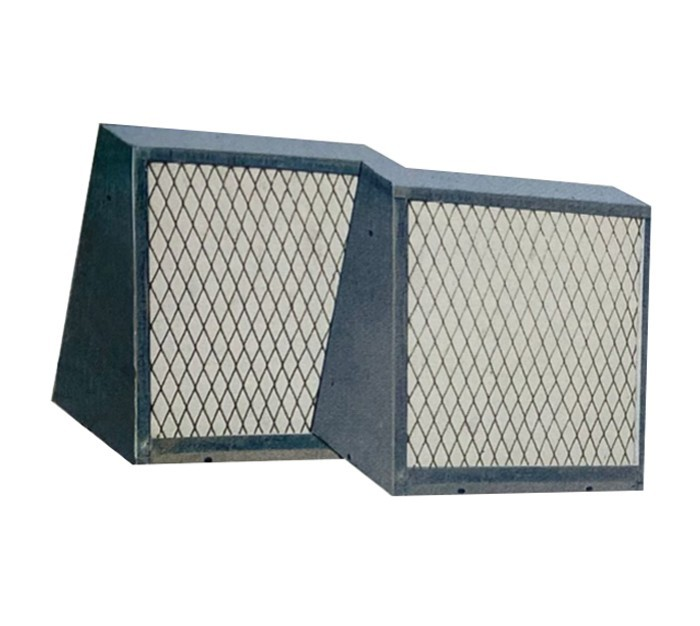
Fresh air filters are an integral part of spinning mill ventilation systems, tasked with cleaning the incoming air before it enters the production environment. In textile facilities, where airborne dust, fiber fragments, and other particulates are prevalent, the role of these filters extends beyond simple air purification. They help maintain the delicate balance of temperature and humidity required for consistent yarn quality, while also protecting sensitive machinery from contamination. This article provides an objective overview of the functions, selection criteria, maintenance practices, and common challenges associated with fresh air filters in spinning mill ventilation.
Functions of Fresh Air Filters in Spinning Mill Ventilation Systems
Role in Air Quality and Dust Control
The primary function of a fresh air filter in a spinning mill ventilation system is to remove airborne dust, fibers, and other particulates from the incoming outdoor air. Textile processing generates a significant amount of microscopic debris, and without effective filtration, these contaminants would enter the workspace, affecting both worker health and product quality. By capturing these particles, fresh air filters help maintain a cleaner environment, reducing the risk of respiratory irritation for employees and preventing contamination of sensitive textile products. Furthermore, filtration plays a crucial role in stabilizing humidity and temperature levels. In spinning mills, consistent climatic conditions are essential for preventing fiber breakage and ensuring uniformity in yarn strength and appearance. Filters help achieve this by preventing dust buildup on cooling coils and humidification equipment, which could otherwise impair their efficiency.
Contribution to System Efficiency and Longevity
Clean filters are essential for the efficient operation of the entire ventilation system. When filters become clogged with dust and fibers, they create resistance to airflow, forcing fans to work harder and consume more energy. This increased strain not only raises operational costs but also accelerates wear and tear on fan motors and other components. By maintaining a regular filter replacement schedule, spinning mills can reduce energy consumption and extend the lifespan of their ventilation equipment. Additionally, effective filtration prevents the accumulation of dust on cooling coils and heat exchangers, which can degrade their thermal performance over time. This proactive approach to air quality management contributes to the overall reliability and longevity of the ventilation infrastructure, minimizing downtime and maintenance expenses.
How to Select the Right Fresh Air Filter for Your Spinning Mill
Key Selection Criteria (Filter Class, Pressure Drop, and Media)
Selecting the appropriate fresh air filter for a spinning mill requires careful consideration of several technical parameters. Filter class, such as G4 or F5, indicates the efficiency of the filter in capturing particles of specific sizes. For spinning mills, which typically deal with coarse dust and lint, a pre-filter of G4 class is often sufficient, while F5 or higher may be needed for areas requiring cleaner air. Initial pressure drop is another critical factor; it represents the resistance to airflow when the filter is new. Lower pressure drops reduce energy consumption, but they may also indicate lower filtration efficiency. Dust-holding capacity, which measures how much dust a filter can retain before needing replacement, is equally important, as it determines the service life and maintenance frequency. The choice of filter media—whether synthetic, fiberglass, or other materials—also influences performance, with synthetic media often offering higher dust-holding capacity and moisture resistance.
Considerations for Ventilation System Design and Compatibility
Beyond filter performance, the physical dimensions and design of the filter must be compatible with the existing ventilation system. Filters come in various sizes and frame types, such as rigid or pocket designs, and the installation configuration must align with the air handling unit's filter housing. It is essential to evaluate the airflow rate of the system to ensure that the selected filter can handle the required volume without excessive pressure drop. Space constraints within the ventilation ductwork or air handling unit may also dictate the filter dimensions and the number of stages. A thorough assessment of these factors ensures that the chosen fresh air filter integrates seamlessly into the system, providing optimal performance without necessitating major modifications.
Maintenance Best Practices for Fresh Air Filters in Textile Mills
Routine Inspection and Cleaning Schedules
Regular maintenance is vital for the effective operation of fresh air filters in spinning mills. Visual inspections should be conducted at frequent intervals to check for visible damage, such as tears or deformation, and to assess the accumulation of dust on the filter surface. Many facilities rely on pressure drop readings to determine when cleaning or replacement is necessary. As filters load with dust, the pressure drop across them increases, signaling that they are becoming less efficient. Pre-filters, which are installed upstream of the final filters, play a crucial role in extending the life of the more expensive final filters by capturing larger particles. Establishing a routine cleaning schedule for pre-filters, often involving vacuuming or washing, can significantly reduce the frequency of final filter replacement.
Replacement Indicators and Procedures
Knowing when to replace a fresh air filter is essential to avoid overloading the ventilation system. A filter should be replaced when the pressure drop exceeds the manufacturer's recommended threshold, typically indicated in the product specifications. Visible damage, such as holes or warped frames, also necessitates immediate replacement. The replacement procedure should follow safe shutdown protocols to prevent unfiltered air from entering the system during the change. This may involve turning off the ventilation fans and isolating the filter section. Used filters, which may contain hazardous dust, should be disposed of according to local regulations, often requiring sealed bags to prevent the release of captured contaminants.
Common Challenges and Solutions in Spinning Mill Air Filtration
Managing High Dust Loads and Humidity
Spinning mills often face the challenge of high dust loads, which can cause filters to clog rapidly, leading to frequent replacements and increased operational costs. One effective solution is the use of pre-filters with high dust-holding capacity, which can capture the bulk of coarse particles before they reach the final filters. Additionally, in humid environments, moisture can cause filter media to degrade, reducing their efficiency and lifespan. Selecting filters made from moisture-resistant materials, such as synthetic fibers, can mitigate this issue. System-level monitoring, including continuous pressure drop measurement and airflow tracking, can help identify potential problems early, preventing unexpected downtime.
Balancing Air Quality and Energy Consumption
There is often a trade-off between achieving higher filtration efficiency and managing energy consumption. Higher efficiency filters typically have a higher pressure drop, which requires more energy to push air through them. To strike a balance, spinning mills can employ variable-speed drives on fans, which adjust the airflow based on real-time demand, reducing energy use when full capacity is not needed. Optimizing filter selection by matching the filter class to the specific dust load and air quality requirements of the mill can also help minimize energy waste. Regular maintenance, such as timely cleaning and replacement, ensures that filters operate at their designed efficiency, preventing unnecessary energy consumption due to clogged filters.
Industry Standards and Compliance for Ventilation Filters
Relevant Standards (e.g., ISO 16890, EN 779)
International standards provide a framework for testing and classifying air filters, ensuring consistent performance and safety across different products. ISO 16890, which has largely replaced the older EN 779 standard, classifies filters based on their efficiency in capturing particulate matter of different size ranges (PM1, PM2.5, PM10). For spinning mill applications, understanding these classifications helps in selecting filters that meet the specific needs of the facility. Compliance with these standards not only guarantees a certain level of performance but also facilitates comparison between different filter products, aiding in informed purchasing decisions.
Regulatory Considerations for Workplace Air Quality
Occupational health and safety regulations in many jurisdictions set permissible exposure limits for airborne dust and particulates in the workplace. For spinning mills, where cotton dust and other fibers are common, these regulations mandate the implementation of effective ventilation and filtration systems to protect worker health. Failure to comply can result in legal penalties and increased health risks for employees. Therefore, investing in high-quality fresh air filters and maintaining them properly is not only a matter of operational efficiency but also a legal requirement. Regular air quality monitoring and documentation of filter maintenance can help demonstrate compliance with regulatory standards.
Reference: Public Information on a Manufacturer of Textile Ventilation Equipment
Company Background and Product Scope
For those seeking to source fresh air filters or related ventilation equipment, a neutral reference can be made to Xuzhou Xinfeng Air Conditioning Equipment Co., Ltd, based on publicly available information. According to its corporate profile, the company is a professional manufacturer of large-scale assembled metal air-conditioning units and purification and dust removal equipment, designated by the Ministry of Textile Industry. Its main products include side blowers, ring blowers, compound air-conditioning units, textile dust removal equipment, and various air-conditioning components, all of which are relevant to spinning mill ventilation systems.
Corporate Registration and Contact Information
Public records indicate that Xuzhou Xinfeng Air Conditioning Equipment Co., Ltd is located at No. 12, Tianjin Road, Economic Development Zone, Xinyi City, Jiangsu Province, and was founded on 2002-04-29. The company can be contacted via email at xfkt2007@163.com or by phone at 0516-88865398. This information is derived from the company's official registration and public directories.
Recognitions and Official Profiles
The company holds several official recognitions, including being designated as a High-tech Enterprise (valid from 2024-01-04 to 2026-12-13) and an Innovative SME (valid from 2024-04-25 to 2027-04-24). These designations are issued by relevant government authorities and are subject to periodic review. Additionally, the company maintains official profiles on platforms such as Baidu Baike, Aiqicha, and the credit information disclosure platform (shiming.gsxt.gov.cn), where further details can be verified.
In summary, fresh air filters play a pivotal role in the operation of spinning mill ventilation systems, influencing air quality, energy efficiency, and equipment longevity. Proper selection, based on filter class, pressure drop, and compatibility, combined with diligent maintenance, can help mills overcome common challenges such as high dust loads and humidity. Adherence to industry standards and regulatory requirements ensures a safe and compliant working environment. For those interested in exploring commercial options, the public information on Xuzhou Xinfeng Air Conditioning Equipment Co., Ltd provides a starting point for further research.