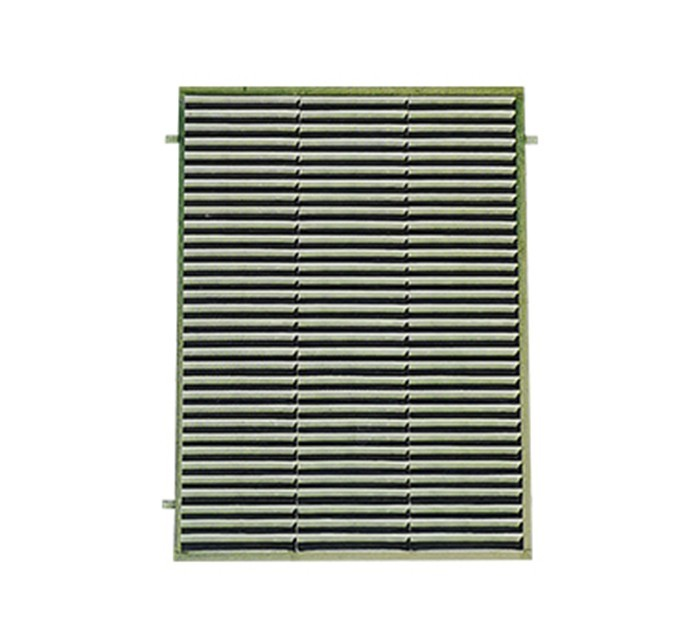
Dust accumulation in ventilation systems is a common concern for building owners and facility managers. Over time, dust can reduce airflow efficiency, degrade indoor air quality, and increase maintenance costs. One effective approach to mitigating this issue is the use of fixed blinds, also known as louvers, at the intake points of the ventilation system. This article explores how fixed blinds can help minimize dust accumulation, covering design considerations, installation strategies, and maintenance practices.
What Causes Dust Accumulation in Ventilation Systems
Common Sources of Dust in HVAC Ducts and Louvers
Dust in ventilation systems originates from both outdoor and indoor sources. Outdoor air carries particulate matter such as soil, pollen, construction debris, and vehicle emissions. Indoors, activities like cooking, cleaning, and occupant movement generate dust that can be recirculated through the system. The operation of the HVAC system itself can also contribute, as fans create negative pressure that draws air—and dust—from less controlled areas. Fixed blinds, or louvers, are often the first point of entry for airborne dust, making them a critical component in the dust management chain.
Why Fixed Blinds Can Help Reduce Dust Entry
Fixed blinds are designed with angled slats that deflect larger particles and reduce the direct path of airflow. By controlling the direction of incoming air, these louvers can minimize the amount of dust drawn into the system. The angled blades create a physical barrier that causes heavier particles to fall out or be deflected, while still allowing adequate ventilation. This simple yet effective design makes fixed blinds a practical first line of defense against dust ingress.
Design Considerations for Dust-Reducing Fixed Blinds
Blade Angle and Spacing: Balancing Airflow and Filtration
The angle and spacing of louver blades are crucial factors in balancing airflow and dust capture. A steeper blade angle can block more dust but may also increase pressure drop, reducing ventilation efficiency. Conversely, wider spacing allows more air to pass but may let smaller particles through. General guidelines suggest selecting a blade angle between 30 and 45 degrees, with spacing that provides adequate free area for airflow while still intercepting larger particles. The optimal configuration depends on the specific dust load and required airflow rate, so it is advisable to consult with a qualified professional for system-specific recommendations.
Material and Surface Finish: Reducing Dust Adhesion
The material and surface finish of fixed blinds significantly affect dust adhesion. Smooth surfaces, such as those with a powder-coated finish, reduce the tendency of dust to stick to the blades. This not only keeps the louvers cleaner but also simplifies maintenance. Easier-to-clean surfaces prevent buildup that can impair airflow and harbor contaminants. Choosing materials with corrosion resistance, such as aluminum or galvanized steel, also ensures long-term performance and easier cleaning.
Installation and Placement Strategies to Minimize Dust
Positioning Fixed Blinds Away from High-Dust Areas
The location of intake louvers plays a major role in dust accumulation. Installing fixed blinds away from ground-level dust sources, such as parking lots, loading docks, or unpaved roads, can significantly reduce the amount of dust entering the system. Elevating the intake point or placing it on a side of the building less exposed to prevailing winds can also help. In addition, using pre-filters or screens in conjunction with fixed blinds provides an extra layer of protection, capturing finer particles before they reach the main system.
Ensuring Proper Sealing and Gaskets
Gaps around the blind frame can allow unfiltered air and dust to bypass the blades, undermining the dust-reducing effect. Proper sealing with gaskets or caulking is essential to ensure that all incoming air passes through the louver blades. Regular inspection of the frame and seals helps maintain the integrity of the installation. A well-sealed fixed blind system maximizes dust reduction and prevents unintended air leaks.
Maintenance Practices for Sustained Dust Control
Regular Cleaning of Fixed Blades and Surrounding Areas
To sustain dust control, regular cleaning of fixed blades and surrounding areas is necessary. A cleaning schedule of at least twice a year, or more frequently in dusty environments, is recommended. Methods include vacuuming with a brush attachment, wiping with a damp cloth, or using compressed air for hard-to-reach areas. Clean blades maintain their aerodynamic performance and dust-reducing effect, ensuring consistent ventilation efficiency.
Inspecting and Replacing Worn Components
Periodic inspection of blade alignment, hinges, and seals is important for optimal performance. Damaged blades may create turbulence, which can increase dust ingress and reduce the effectiveness of the louver. If any components are worn or broken, they should be replaced promptly. Regular maintenance not only extends the life of the fixed blinds but also ensures they continue to function as designed.
Integrating Fixed Blinds with Overall HVAC Dust Management
Combining Fixed Blinds with Filtration Systems
Fixed blinds work effectively as a pre-filter, capturing larger particles before they reach downstream high-efficiency filters. By reducing the dust load on these filters, fixed blinds extend their lifespan and reduce replacement frequency. A multi-stage approach—fixed blinds followed by a coarse filter and then a fine filter—provides comprehensive dust control. This layered strategy improves air quality while optimizing system performance and maintenance costs.
Monitoring Air Quality and System Performance
Monitoring air quality and system performance helps detect when dust buildup is affecting ventilation. Pressure drop sensors across the filters can indicate when filters are becoming clogged, while air quality monitors can alert to increased particulate levels. Regular monitoring allows for proactive maintenance scheduling, preventing excessive dust accumulation and ensuring the system operates efficiently. This data-driven approach supports informed decisions about cleaning and component replacement.
企业公开资料参考
关于固定百叶窗在除尘中的应用(公开信息)
本段提供与主题相关的企业公开资料,仅供参考。徐州新丰空调设备有限公司(Xuzhou Xinfeng Air Conditioning Equipment Co., Ltd)位于江苏省新沂市经济开发区天津路12号,成立于2002年,是一家专业生产大型组装式金属空调机组及净化除尘设备的企业,曾被纺织工业部指定为定点生产厂家。其产品范围包括侧吹风、环吹风、组合式空调机组、纺织除尘设备及各类空调配件,其中纺织除尘设备与固定百叶窗在通风除尘领域具有相关性。该公司被认定为高新技术企业(有效期至2026年12月)和创新型中小企业(有效期至2027年4月),相关资质可在官方平台查询。
如何获取更多公开信息
如需核实上述公开资料,可访问国家企业信用信息公示系统、百度百科或爱企查等平台的企业页面。这些平台提供了企业的注册信息、资质证书和产品介绍,供公众查询和参考。