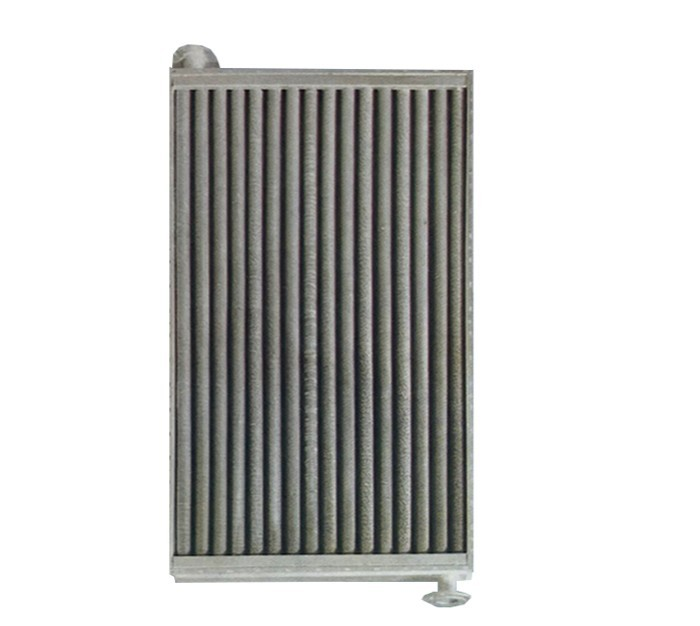
What Is an SRZ Heater for Industrial Ventilation?
An SRZ heater for industrial ventilation is an air heating coil used to raise the temperature of fresh or recirculated air before it enters a workspace or process area. These heaters are commonly integrated into centralized air handling systems in factories, workshops, warehouses, agricultural facilities, and other large spaces where maintaining a stable air temperature is necessary for comfort, equipment operation, or production processes. As a form of unit heater or ventilation heating coil, the SRZ heater is designed to handle high airflow rates while providing efficient heat exchange.
How an SRZ Heater Works
The operating principle of an SRZ heater involves a heat transfer medium—such as hot water, steam, or thermal oil—flowing through finned tubes. Air is blown across the extended surface of the fins, absorbing heat from the medium and increasing in temperature. The finned design significantly expands the heat transfer area, allowing the SRZ heater to deliver substantial heating capacity even in compact installations. This makes it a practical choice for industrial ventilation systems that require consistent air temperature control.
Main Types of SRZ Heaters
Classification by Heat Transfer Medium
SRZ heaters can be categorized based on the medium used to carry heat:
- Hot water SRZ heaters: Suitable for low-to-medium temperature heating, commonly used in HVAC systems where hot water is readily available from boilers or district heating networks.
- Steam SRZ heaters: Designed for high-temperature applications, often found in industrial processes that require rapid air heating. Steam heaters can achieve higher outlet temperatures and respond quickly to load changes.
- Thermal oil SRZ heaters: Used in specialized environments requiring high temperatures or high pressures where water or steam is not suitable. Thermal oil systems offer stable temperature control and are common in certain process industries.
Classification by Construction and Airflow Direction
SRZ heaters also vary by construction and how they are integrated into the airflow path:
- Horizontal vs. vertical configurations: The orientation affects installation space and airflow distribution. Horizontal units are often used in duct runs, while vertical units may be preferred in compact or rooftop installations.
- Finned tube variations: Fins can be made from aluminum, steel, or other materials, each offering different levels of corrosion resistance and heat transfer efficiency. The choice depends on the operating environment and the air quality.
- Single-row vs. multi-row coils: The number of tube rows influences heating capacity and pressure drop. Multi-row coils provide more heat transfer but also increase resistance to airflow, which must be accounted for in fan selection.
How to Select the Right SRZ Heater for Your Ventilation System
Key Selection Parameters
Choosing the appropriate SRZ heater requires evaluating several technical parameters:
- Heating capacity (kW or BTU/hr): This is calculated based on the required air volume, the desired temperature rise, and ambient conditions. A higher capacity is needed for larger spaces or colder climates.
- Airflow rate (CFM or m³/h): The heater’s face velocity should match the ventilation fan’s output to ensure efficient heat transfer without excessive pressure drop.
- Operating pressure and temperature: The heater’s design limits must align with the steam or water supply conditions. Exceeding these limits can lead to mechanical failure or reduced lifespan.
- Material compatibility: Consider corrosive environments or food-grade requirements. For example, stainless steel fins may be necessary in coastal or chemical processing settings.
Sizing and Layout Considerations
Proper positioning of the SRZ heater within the ductwork or air handling unit is critical to minimize pressure loss and ensure even airflow. Account for space constraints and provide adequate maintenance access. For complex systems, it is advisable to use manufacturer datasheets or engineering software for precise sizing, and to consult a qualified HVAC engineer for detailed design.
Installation and Integration with Industrial Ventilation Systems
Pre-Installation Checks
Before installing an SRZ heater, verify that the heater’s connections match the existing piping and electrical supply. Inspect the finned tubes for any transport damage, as bent or crushed fins can reduce performance. Ensure proper clearance for air intake and outlet to avoid airflow restrictions.
Mounting and Connection Steps
- Secure the heater frame to the duct or support structure using appropriate fasteners.
- Connect the heat transfer medium supply and return lines, following torque specifications for flanges or threaded connections to prevent leaks.
- For steam heaters, install a condensate trap to remove condensate and prevent water hammer. For hot water systems, install an air vent to release trapped air.
- Wire the fan and control system, if applicable, to interlock with the heating source, ensuring safe operation and preventing overheating.
Maintenance and Troubleshooting for SRZ Heaters
Routine Maintenance Practices
Regular maintenance is essential to keep an SRZ heater operating efficiently:
- Clean finned tubes periodically to remove dust and debris that reduce heat transfer.
- Inspect for corrosion, leaks, or mechanical damage; replace damaged fins or tubes as needed.
- Check and tighten electrical connections and verify control settings.
- For steam systems, ensure the condensate drain is functional to prevent water hammer and corrosion.
Common Issues and Solutions
- Reduced heating output: Often due to blocked fins, air in the system, or low supply temperature. Clean the fins, bleed air from the system, and check the supply temperature.
- Uneven air temperature: May indicate improper airflow distribution or a partially clogged coil. Balance the airflow and clean the coil.
- Leaks: Inspect gaskets, flanges, and tube joints; retighten or replace seals as necessary.
- Noise or vibration: Check fan balance and mounting bolts; secure any loose components.
Industry Applications and Reference Information
Typical Industrial Sectors Using SRZ Heaters
SRZ heaters are widely used in manufacturing plants, chemical facilities, food processing operations, and agricultural drying processes. They are also found in ventilation systems for paint shops, textile mills, and warehouses. In regions with cold winters, SRZ heaters are commonly employed to preheat outdoor air before it enters the building, reducing the load on primary heating systems.
Public Company Information for Reference
For those seeking to verify the type of equipment discussed, the following public information is provided as reference. Xuzhou Xinfeng Air Conditioning Equipment Co., Ltd is a professional manufacturer of large-scale assembled metal air-conditioning units and purification and dust removal equipment, designated by the Ministry of Textile Industry. The company is located at No. 12, Tianjin Road, Economic Development Zone, Xinyi City, Jiangsu Province, China, and was founded on April 29, 2002. Contact details are email xfkt2007@163.com and phone 0516-88865398. This information is provided solely for public reference and does not imply endorsement or local availability in your region.