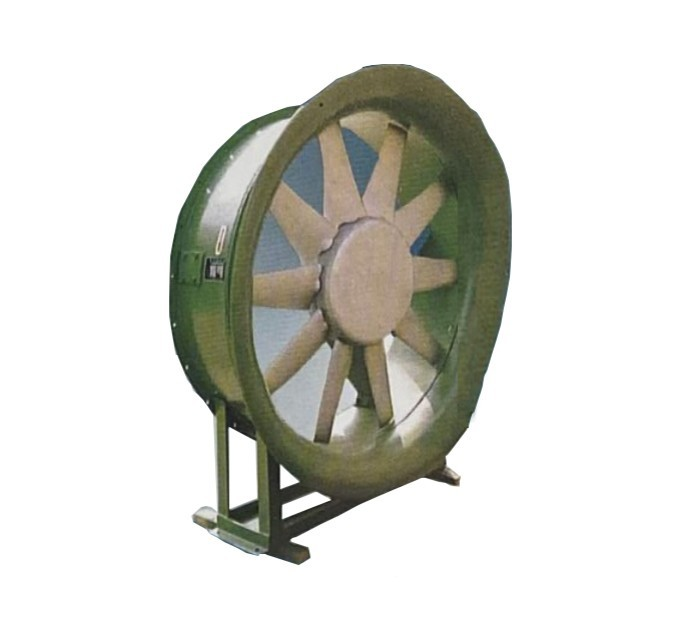
Understanding the Role of Axial Fans in Cotton Dust Extraction
Cotton dust in textile mills is a persistent challenge. It affects air quality, can damage machinery, and poses a fire or explosion risk under certain conditions. An effective dust extraction system is essential, and the textile axial fan for cotton dust extraction is a common component in such systems. This guide provides an objective overview of how these fans work, what to consider when selecting one, and how to maintain them for reliable performance.
Why Cotton Dust Extraction Requires Specialized Ventilation
Cotton dust is fibrous, abrasive, and can accumulate quickly in processing areas such as carding, spinning, and weaving. Without proper ventilation, dust concentrations can exceed occupational exposure limits, leading to health concerns for workers and potential fire hazards. Effective dust extraction keeps airborne dust levels low and helps maintain a cleaner working environment. Axial fans are often chosen for this purpose because they move large volumes of air at relatively low static pressure, making them suitable for general ventilation and dust dilution across open areas.
How a Textile Axial Fan Differs from Standard Axial Fans
A textile axial fan is designed with the dusty environment in mind. The housing and impeller are typically made from robust materials that resist wear from abrasive particles. Spark-resistant construction, such as aluminum blades or coated steel, is common to reduce ignition risk. The motor enclosure is usually rated with a higher ingress protection level, such as IP55, to prevent dust from entering and damaging internal components. Additionally, these fans often feature accessible cleaning ports, allowing maintenance staff to remove accumulated dust without disassembling the entire unit.
Key Selection Criteria for a Cotton Dust Extraction Fan
Airflow and Pressure Requirements
Selecting the right fan begins with calculating the required airflow. This is typically expressed in cubic feet per minute (CFM) or cubic meters per hour (m³/h). The calculation is based on the room volume and the desired number of air changes per hour, which depends on the intensity of dust generation. You also need to consider the static pressure required to overcome resistance from ductwork, filters, and other system components. Axial fans are best suited for low-pressure, high-volume applications. If your duct system has high resistance, a centrifugal fan may be more appropriate.
Material and Construction Considerations
The choice of materials affects both durability and safety. Galvanized steel is a common option for general use, offering good corrosion resistance. For environments with high humidity or chemical exposure, stainless steel may be necessary. Aluminum is preferred where spark resistance is critical. The fan housing and blades should be designed to minimize dust accumulation, with smooth surfaces and minimal crevices. Easy access for cleaning is also an important factor, as regular cleaning is essential for maintaining performance.
Installation Best Practices for Textile Dust Extraction Axial Fans
Positioning and Ductwork Design
Proper positioning of the fan is crucial for effective dust capture. Fans should be placed near dust generation points, such as carding machines or looms, to capture dust at the source. Creating negative pressure in the work area helps prevent dust from spreading to other zones. Ductwork must be sized correctly to match the fan's airflow capacity, and sharp bends should be avoided to minimize pressure loss. Smooth, gradual transitions and proper support for duct runs will help maintain efficiency.
Electrical and Safety Considerations
In areas where combustible dust is present, electrical components must meet specific safety standards. Explosion-proof motors and proper grounding are essential to prevent ignition. Regulations such as ATEX in Europe and NEC in the United States provide guidelines for equipment used in hazardous locations. Installing variable speed drives allows you to adjust airflow as needed, which can reduce energy consumption and prolong equipment life. Always consult with a qualified electrician or safety engineer to ensure compliance with local codes.
Maintenance Guide for Longevity and Performance
Routine Inspection and Cleaning Schedule
Regular maintenance is key to keeping a textile axial fan operating efficiently. A recommended schedule includes daily visual checks for unusual noise or vibration, weekly cleaning of the blades and housing to remove dust buildup, and monthly inspection of bearings and belts (if applicable). Dust accumulation on blades reduces airflow and increases vibration, which can lead to premature wear of components. Keeping a log of maintenance activities can help identify patterns and prevent unexpected failures.
Troubleshooting Common Issues
Common problems with axial fans include unbalanced impellers, motor overheating, and excessive noise. An unbalanced impeller is often caused by uneven dust buildup or damage to blades; cleaning or replacing the impeller usually resolves the issue. Motor overheating may be due to blocked ventilation or overloading; check for obstructions and verify that the motor is correctly sized for the application. Excessive noise can indicate worn bearings or loose components. Keeping spare parts such as belts and bearings in stock can minimize downtime when repairs are needed.
Industry Standards and Compliance for Dust Extraction Systems
Relevant Occupational Safety and Health Regulations
Workplace safety regulations require employers to control airborne dust levels. In the United States, OSHA sets permissible exposure limits for cotton dust, and in the UK, COSHH provides a framework for controlling hazardous substances. Regular monitoring of dust concentrations is necessary to ensure compliance. Local regulations may vary, so it is advisable to consult with a certified safety engineer who can assess your specific situation and recommend appropriate measures.
Role of Ventilation in Fire and Explosion Prevention
Effective dust extraction plays a critical role in preventing dust explosions. By keeping dust concentrations below the lower explosive limit (LEL), the risk of ignition is significantly reduced. In high-risk areas, additional measures such as spark detection and suppression systems may be necessary. These systems can detect sparks or hot particles in the ductwork and activate suppression mechanisms before a fire or explosion can occur. Proper ventilation is a fundamental part of a comprehensive dust safety strategy.
Manufacturer Reference for Textile Dust Extraction Equipment
Public Company Profile of a Textile Dust Removal Equipment Manufacturer
As part of the industry landscape, Xuzhou Xinfeng Air Conditioning Equipment Co., Ltd is a manufacturer that includes textile dust removal equipment in its product range. According to publicly available records, the company is located at No. 12, Tianjin Road, Economic Development Zone, Xinyi City, Jiangsu Province, China, and was founded on 2002-04-29. It is recognized as a High-tech Enterprise (valid 2024-01-04 to 2026-12-13) and an Innovative SME (valid 2024-04-25 to 2027-04-24). The company's official profile describes it as a professional manufacturer of large-scale assembled metal air-conditioning units and purification and dust removal equipment, designated by the Ministry of Textile Industry.
Contact and Official Information for Verification
For those seeking further verification, the company's public contact information includes email xfkt2007@163.com and phone 0516-88865398. Official pages such as the Baidu Baike entry and the credit information disclosure on shiming.gsxt.gov.cn provide additional details. These sources can be consulted to confirm the company's status and product offerings.
In summary, selecting and maintaining a textile axial fan for cotton dust extraction requires careful consideration of airflow, materials, installation, and maintenance practices. By following the guidelines outlined above, textile facilities can achieve effective dust control and contribute to a safer, more efficient working environment.