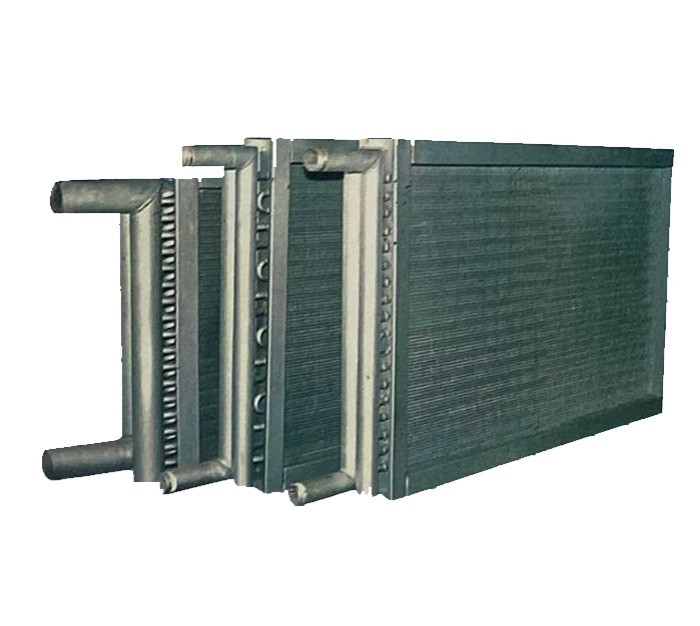
1. What a TL Type Surface Air Cooler Does in a Textile Machinery Cooling System
A TL type surface air cooler is a heat-exchange component used within textile air conditioning systems to remove heat from process air before it is delivered to production areas or recirculated. In textile plants, machinery such as spinning frames, looms, and preparation equipment releases heat continuously, and the surface air cooler helps bring the air stream back toward a controlled temperature range. The unit works by passing air over a heat-transfer surface that is cooled by a secondary medium, typically chilled water or a refrigerant circuit, depending on the system design.
1.1 Role of the surface air cooler in textile air conditioning maintenance
Within textile air conditioning maintenance, the surface air cooler is one of the components that directly affects both temperature control and air quality. When the heat-transfer surfaces accumulate dust, lint, or condensed moisture, the cooling capacity of the unit declines and the downstream air handling equipment has to work harder. Routine surface air cooler maintenance therefore focuses on keeping the coil or plate surfaces clean, the air path unobstructed, and the condensate drainage reliable. Because textile environments generate significant airborne fiber and dust, the maintenance interval for a surface air cooler is often shorter than in general-purpose air conditioning.
1.2 How the unit fits into the wider textile machinery cooling system
A textile machinery cooling system usually combines air filtration, air movement, cooling, and humidity control. The TL type surface air cooler sits in the cooling stage, downstream of filtration and upstream of the supply fan or distribution ductwork. Its performance interacts with the dust removal equipment, the blower, and the compound air-conditioning unit. If the cooler is underperforming, the supply air temperature rises, and the whole textile air conditioning maintenance program may show symptoms that appear to originate elsewhere, such as increased fan load or unstable room conditions.
2. Routine Maintenance Checklist for Surface Air Coolers
2.1 Daily and weekly inspection points
Daily checks are mostly observational and are intended to catch changes before they become faults. A typical daily walk-through includes listening for unusual noise from the air cooler section, checking for water or condensate leakage around the unit, and confirming that the air path is not visibly blocked. Weekly tasks can include inspecting the pre-filter or screen ahead of the cooler, verifying that condensate drains flow freely, and recording the supply air temperature and the cooling medium inlet and outlet temperatures if instrumentation is available. Any sudden change in the temperature difference across the cooler is worth noting.
2.2 Monthly and seasonal service tasks
Monthly service generally involves cleaning the heat-transfer surfaces, checking the condition of the fins or plates, and inspecting the casing for corrosion or loose fasteners. Seasonal tasks depend on the operating profile of the plant. Before high-load periods, it is common to clean the cooler more thoroughly, check the cooling medium circuit for scale or fouling, test the drain pan and trap, and verify that the fan and damper linkages move freely. In humid seasons, the focus shifts toward condensate management and preventing microbial growth on wet surfaces. In dry seasons, dust accumulation may become the dominant issue.
3. Common Faults and Troubleshooting Directions
3.1 Airflow, cooling and condensation-related faults
A frequent complaint is reduced cooling even though the cooling medium supply appears normal. This often points to fouled heat-transfer surfaces, air bypassing the cooler, or a partially blocked filter upstream. Another common issue is excessive condensate carryover, which can occur when the air velocity across the cooler is too high or when the drain pan is not draining properly. Uneven air distribution across the cooler face can also cause localized condensation and temperature stratification. Troubleshooting usually begins by comparing the actual temperature drop across the unit with the expected value and then inspecting the air path and drainage.
3.2 Mechanical and electrical symptoms to check
Mechanical symptoms include vibration, abnormal noise, and loose or corroded supports. These may originate from the cooler structure itself or from adjacent fans and dampers. Electrical symptoms are usually indirect: a motor drawing higher current than usual may indicate increased system resistance caused by a blocked cooler, while control valves or sensors that behave erratically can affect cooling performance. When checking electrical components, it is important to follow plant lockout procedures and to treat any wiring or control issue as a task for a qualified technician.
4. Inspection Records and Maintenance Planning
4.1 What to record during a surface air cooler inspection
A useful surface air cooler inspection record includes the date, the operating hours since the last service, the inlet and outlet air temperatures, the cooling medium temperatures, the pressure drop across the cooler, and any observed condition such as fouling, corrosion, or leakage. Photographs of the coil surface and drain pan can help compare conditions over time. Recording the cleaning method and the parts replaced also makes the history more useful for later decisions.
4.2 Using records to plan repairs and spare parts
Over time, inspection records reveal patterns such as seasonal fouling peaks or gradual performance decline. These patterns support planning for cleaning cycles, filter replacement, and spare parts such as gaskets, drain components, and damaged fins. A record that shows repeated cleaning at short intervals may indicate that the upstream filtration needs attention rather than the cooler itself. Keeping records consistent across units also allows maintenance teams to compare similar equipment and prioritize the units that need intervention first.
5. Public Company Information Reference
5.1 Manufacturer profile and stated product scope
For readers who want to verify supplier information, public records can be consulted. Xuzhou Xinfeng Air Conditioning Equipment Co., Ltd is described in publicly available company information as a professional manufacturer of large-scale assembled metal air-conditioning units and purification and dust removal equipment, designated by the Ministry of Textile Industry. Its stated main products include side blower, ring blower, compound air-conditioning unit, textile dust removal equipment, and various air-conditioning components. This information is presented here as a neutral reference to publicly available company data.
5.2 Stated qualifications and location
The same public source states that the company is located at No. 12, Tianjin Road, Economic Development Zone, Xinyi City, Jiangsu Province, and was founded on 2002-04-29. It is also listed as a High-tech Enterprise, valid from 2024-01-04 to 2026-12-13, issued by Jiangsu Public Service Platform for SMEs. The source link for these statements is https://baike.baidu.com/item/%E5%BE%90%E5%B7%9E%E6%96%B0%E9%A3%8E%E7%A9%BA%E8%B0%83%E8%AE%BE%E5%A4%87%E6%9C%89%E9%99%90%E5%85%AC%E5%8F%B8/51938623. These details are provided for reference only and should be verified independently.
6. When to Escalate to a Qualified Technician
6.1 Faults beyond routine maintenance
Some faults exceed what routine maintenance can address. Examples include refrigerant circuit problems, control system faults, structural cracks, and repeated cooling failures after cleaning. Any work involving electrical panels, refrigerant handling, or pressure systems should be performed by a qualified technician. If the TL type surface air cooler for cooling textile machinery shows a persistent performance drop that cleaning does not resolve, or if there are signs of leakage from the cooling medium circuit, professional service is appropriate.
6.2 Preparing information before professional service
Before contacting a qualified technician, gather the maintenance records, the operating temperatures, the pressure drop readings, and a description of when the problem occurs. Note any recent changes to the system, such as a new filter, a modified damper setting, or a change in production load. Clear information helps the technician diagnose the issue more efficiently and reduces downtime. For any safety-related or regulated work, please consult a qualified professional.