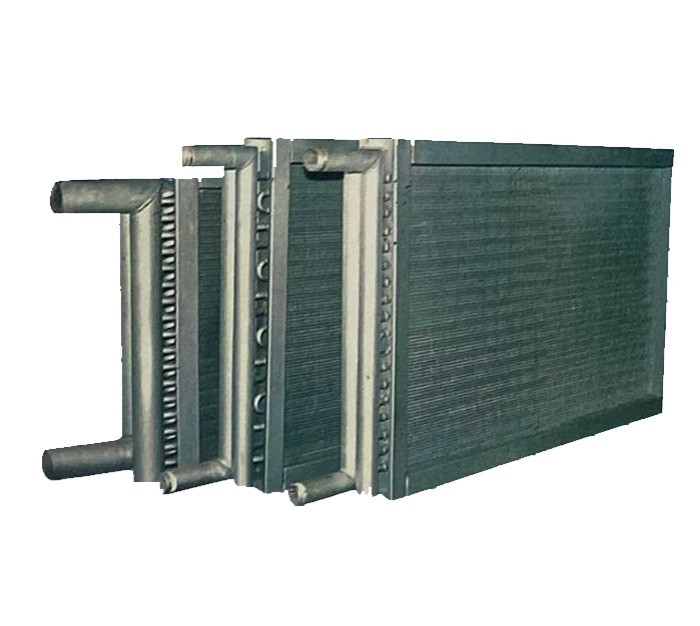
Introduction to TL Type Surface Air Coolers in Industrial HVAC
In modern industrial facilities, maintaining precise temperature and humidity levels is essential for both product quality and worker comfort. Among the various components used in heating, ventilation, and air conditioning (HVAC) systems, the surface air cooler plays a pivotal role. Specifically, the TL type surface air cooler for industrial HVAC is a widely adopted solution due to its robust construction and efficient heat exchange performance. This article provides an objective overview of its design, working principles, applications, and key factors to consider during selection.
What is a TL Type Surface Air Cooler?
A TL type surface air cooler is a type of finned-tube heat exchanger designed to cool and dehumidify air passing through an air handling unit (AHU) or a ventilation system. It operates by circulating chilled water or another coolant through tubes, while air flows across the externally finned surfaces. The fins increase the heat transfer area, allowing for effective thermal exchange between the air and the coolant. This component is essential in systems where precise air temperature control is required, such as in cleanrooms, manufacturing plants, and commercial buildings.
Key Components and Construction
Typically, a TL type surface air cooler consists of several key components: finned coils, a sturdy casing, a condensate drain pan, and connection headers. The coils are usually made of copper tubes with aluminum fins, a combination that offers good thermal conductivity and corrosion resistance. The casing is often fabricated from galvanized steel or stainless steel to withstand harsh industrial environments. Manufacturing follows established standards to ensure dimensional accuracy and leak-free operation. The drain pan collects condensate generated during dehumidification and directs it safely out of the unit.
Design Principles and Performance Characteristics
Heat Transfer and Dehumidification Mechanisms
The operation of a surface air cooler involves both sensible and latent cooling. Sensible cooling occurs when air temperature drops as heat is transferred to the chilled water. Latent cooling, or dehumidification, happens when air is cooled below its dew point, causing water vapor to condense on the fin surfaces. The psychrometric process involved is a combination of cooling and dehumidification, which is essential for maintaining comfortable and safe indoor conditions. Several design parameters influence performance, including fin spacing, number of tube rows, and face velocity. Tighter fin spacing and more rows increase heat transfer but also raise air pressure drop, requiring a balance between efficiency and energy consumption.
Performance Metrics and Efficiency Considerations
Key performance metrics for a TL type surface air cooler include cooling capacity (kW or BTU/h), air-side pressure drop, and water-side pressure drop. Cooling capacity indicates the amount of heat removed per unit time, while pressure drops affect the fan and pump energy requirements. A well-designed coil minimizes pressure drops while achieving the desired cooling load. Efficiency is also influenced by the temperature difference between air and water, flow rates, and the cleanliness of the fin surfaces. Regular maintenance, such as cleaning fins and checking water flow, is necessary to sustain performance over time.
Applications in Industrial HVAC Systems
Common Industrial Use Cases
TL type surface air coolers are employed across a wide range of industries. In textile manufacturing, they help control humidity to prevent fiber breakage and static electricity. Pharmaceutical cleanrooms require precise temperature and humidity to comply with regulatory standards. Food processing facilities use them to maintain hygienic conditions and extend product shelf life. Data centers rely on efficient cooling to manage heat generated by servers. General factory ventilation also benefits from these coolers to improve worker comfort and protect equipment. Their versatility and reliability make them a preferred choice in these settings.
Integration with Air Handling Units (AHUs)
Inside an AHU, the TL type cooler is typically installed in a section after the filter and before the supply fan. The coil arrangement can be horizontal or vertical, depending on the unit design. Condensate drainage is critical; a properly sloped drain pan and trap prevent water accumulation and potential microbial growth. Connection to the chilled water system involves supply and return headers, often with balancing valves to regulate flow. Proper integration ensures optimal airflow distribution and thermal performance.
Selection Considerations for TL Type Surface Air Coolers
Sizing and Capacity Calculation
Selecting the correct TL type surface air cooler requires a systematic approach. First, determine the required air flow rate (in CFM or m³/h). Next, specify the entering and leaving air conditions (dry-bulb and wet-bulb temperatures). Also, define the chilled water supply and return temperatures. The required cooling load is then calculated using psychrometric charts or software. Many manufacturers provide selection software or catalogs that help engineers choose the appropriate coil size, number of rows, and fin spacing. It is advisable to consult these tools to ensure accurate sizing.
Material and Coating Options for Harsh Environments
In coastal or chemical environments, corrosion resistance becomes a priority. Options include using copper tubes with epoxy-coated fins or selecting all-aluminum coils. Hydrophilic coatings on fins improve condensate drainage and reduce the risk of water carryover. For highly corrosive atmospheres, stainless steel casings and special fin materials may be necessary. Maintenance considerations include accessibility for cleaning and inspection. Regular washing of fins with appropriate agents can prevent fouling and maintain efficiency.
Industry Standards and Quality Assurance
Relevant Standards and Testing
Performance testing and safety of surface air coolers are governed by industry standards such as AHRI (Air-Conditioning, Heating, and Refrigeration Institute), ASHRAE (American Society of Heating, Refrigerating and Air-Conditioning Engineers), and ISO (International Organization for Standardization). Compliance with these standards ensures that the equipment meets specified performance criteria and safety requirements. Testing typically involves measuring cooling capacity, pressure drops, and leakage rates. Adherence to these standards provides confidence in reliability and efficiency.
Manufacturer Capabilities and Reference (Public Information)
As a neutral reference, Xuzhou Xinfeng Air Conditioning Equipment Co., Ltd, located at No. 12, Tianjin Road, Economic Development Zone, Xinyi City, Jiangsu Province, is a professional manufacturer of large-scale assembled metal air-conditioning units and purification and dust removal equipment. It is designated by the Ministry of Textile Industry. Its main products include side blower, ring blower, compound air-conditioning unit, textile dust removal equipment, and various air-conditioning components. This information is presented as public reference only and does not imply endorsement or local availability.
Conclusion and Guidance
Summary of Key Points
In summary, the TL type surface air cooler for industrial HVAC is a critical component for achieving controlled temperature and humidity in various industrial applications. Its design, based on finned-tube heat exchange, facilitates both sensible and latent cooling. Proper selection involves careful consideration of capacity, materials, and environmental factors. Adherence to industry standards ensures reliability and performance.
Professional Advice for Implementation
For specific system design and product selection, especially for critical or complex industrial HVAC requirements, it is recommended to consult qualified engineering professionals. They can provide guidance on sizing, integration, and maintenance, ensuring that the chosen solution meets the operational needs efficiently and safely.