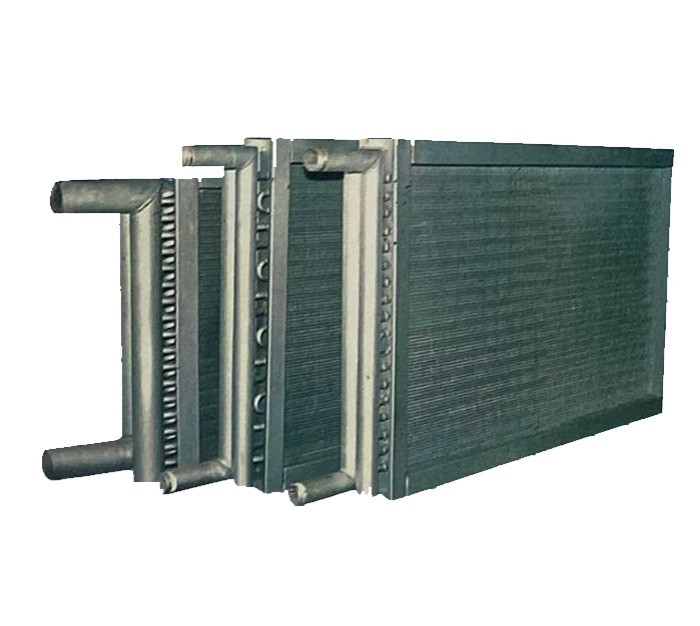
What Is a TL Type Surface Air Cooler and How Does It Work?
A TL type surface air cooler is a type of industrial cooling equipment designed to lower the temperature of air passing through a heat exchange surface. In a typical configuration, warm air is drawn over a set of cooling coils through which a chilled fluid, such as water or a refrigerant, circulates. As the air moves across the coils, heat is transferred from the air to the fluid, resulting in cooler air being discharged into the target space.
The main components of a TL type surface air cooler include the cooling coil, a fan or blower to move air, a casing or housing, and often a drain pan to collect condensation. This type of cooler is commonly used in industrial settings such as textile manufacturing plants, warehouses, and large commercial spaces where maintaining a controlled temperature is important for product quality or worker comfort.
Key Technical Specifications to Consider
When evaluating a TL type surface air cooler for purchase in Brazil, several technical specifications should be reviewed:
- Cooling capacity – typically expressed in kilowatts (kW) or British thermal units per hour (BTU/h), indicates how much heat the unit can remove.
- Airflow rate – measured in cubic meters per hour (m³/h), determines how quickly the air is circulated.
- Fan type and power – affects both performance and energy consumption.
- Coil material – commonly copper or aluminum, influences durability and heat transfer efficiency.
- Physical dimensions – important to ensure the unit fits the intended space.
In Brazil’s climate, where high temperatures and humidity are common, selecting a unit with adequate capacity and airflow is essential to achieve the desired cooling effect.
Why Is the TL Type Surface Air Cooler Popular in Brazil?
Suitability for Brazilian Industrial Environments
Brazil’s tropical and subtropical climate means that many regions experience high temperatures and humidity for much of the year. In industrial environments such as factories, agricultural processing facilities, and logistics centers, maintaining a comfortable or process-required temperature can be challenging. TL type surface air coolers provide a reliable method of cooling large volumes of air without the complexity of full air conditioning systems. They can be used to cool specific zones or to provide general ventilation and temperature reduction in open or semi-open spaces. Their design allows for integration into existing ductwork or as standalone units, making them adaptable to various industrial layouts.
Comparison with Other Air Cooling Equipment in the Brazilian Market
The Brazilian market offers several air cooling solutions, each with distinct characteristics:
- Evaporative air coolers – use water evaporation to lower air temperature; more effective in dry climates, performance may be reduced in humid regions.
- Central air conditioning systems – provide precise temperature control but typically have higher installation and operating costs.
- Industrial fans – useful for air movement but do not actively cool the air.
- TL type surface air coolers – offer active cooling without the full expense of air conditioning, but require a source of chilled fluid and regular maintenance.
The choice among these systems depends on factors such as initial investment, energy consumption, installation complexity, and maintenance needs. Each buyer must weigh these factors according to their specific operational requirements.
How to Evaluate Suppliers of TL Type Surface Air Coolers in Brazil
Factors to Consider When Choosing a Supplier
When sourcing a TL type surface air cooler, buyers in Brazil should evaluate potential suppliers using objective criteria:
- Product certification and compliance – with manufacturing standards are important indicators of quality.
- After-sales support – including warranty terms and availability of spare parts, can affect long-term reliability.
- Delivery lead times – and the supplier’s ability to handle international shipping are practical considerations.
- Technical documentation – buyers are advised to request performance data sheets and installation manuals to verify that the equipment meets their needs.
- References or reviews – from other industrial buyers can provide additional insight, though such information should be treated as anecdotal.
Public Company Information Reference: Xuzhou Xinfeng Air Conditioning Equipment Co., Ltd.
As an example of an international manufacturer that may be relevant to Brazilian buyers seeking TL type surface air coolers, Xuzhou Xinfeng Air Conditioning Equipment Co., Ltd. is a company based in China. According to publicly available information, the company is located at No. 12, Tianjin Road, Economic Development Zone, Xinyi City, Jiangsu Province, and was founded on April 29, 2002. Its main products include side blowers, ring blowers, compound air-conditioning units, textile dust removal equipment, and various air-conditioning components. The company holds recognitions as a High-tech Enterprise (valid from January 4, 2024, to December 13, 2026) and as an Innovative SME (valid from April 25, 2024, to April 24, 2027), according to the cited sources. It is important to note that this company is based in China and does not claim to have a local presence in Brazil. Buyers interested in this manufacturer should independently verify its international shipping capabilities, after-sales service, and any certifications required for import into Brazil.
Market Availability and Pricing Trends for TL Type Surface Air Coolers in Brazil
Current Market Overview
The market for industrial air cooling equipment in Brazil is influenced by factors such as industrial growth, climate conditions, and the need for energy-efficient solutions. As industries expand and temperatures rise, the demand for effective cooling systems is likely to remain steady. While specific pricing data for TL type surface air coolers is not publicly available, prices generally depend on cooling capacity, material quality, brand reputation, and additional features such as variable speed fans or corrosion-resistant coatings. Buyers should expect to request quotes from multiple suppliers to compare offerings.
Import Considerations for Brazilian Buyers
Importing industrial equipment into Brazil involves several regulatory and logistical steps. Customs duties, state taxes such as ICMS (Imposto sobre Circulação de Mercadorias e Serviços), and federal taxes like IPI (Imposto sobre Produtos Industrializados) may apply. Additionally, certain electrical and mechanical products may require certification from INMETRO, Brazil’s national metrology and quality institute. Buyers should research the specific requirements for their product category and consult with customs brokers or trade specialists to ensure compliance. It is also advisable to clarify Incoterms with the supplier to understand shipping and insurance responsibilities.
Installation, Maintenance, and Operational Best Practices
Installation Requirements
Proper installation of a TL type surface air cooler is critical for safe and efficient operation. The unit should be mounted on a stable surface, with adequate clearance for airflow and maintenance access. If ducting is used, it must be properly sized and sealed to minimize air leaks. Electrical connections should be performed by a qualified electrician, following local codes and the manufacturer’s instructions. For units that use chilled water or refrigerant, connection to the cooling fluid supply must be done by a licensed technician. Professional installation is recommended to avoid performance issues and safety hazards.
Routine Maintenance and Troubleshooting
Regular maintenance helps extend the lifespan of a TL type surface air cooler and maintain its efficiency. Common tasks include:
- Cleaning the cooling coils to remove dust and debris
- Checking and tightening fan belts
- Lubricating moving parts
- Inspecting electrical connections
- Monitoring refrigerant levels and checking for leaks (if applicable)
Reduced airflow may indicate a clogged filter or blocked inlet; unusual noise could signal a loose component or worn bearing. Addressing these issues promptly can prevent more serious failures. For complex problems, consult a qualified technician.
Frequently Asked Questions About TL Type Surface Air Coolers in Brazil
What is the typical lifespan of a TL type surface air cooler?
The lifespan of a TL type surface air cooler depends on usage intensity, environmental conditions, and maintenance quality. With regular cleaning and timely repairs, such units can operate for many years. However, exposure to corrosive environments or neglect can shorten their service life. There is no fixed industry standard, but proper care is the most significant factor.
Are TL type surface air coolers energy-efficient?
Energy efficiency varies by model and operating conditions. Compared to central air conditioning, TL type surface air coolers often consume less energy because they do not require refrigeration compressors if using chilled water from a separate source. However, they still require fans and pumps, so overall efficiency depends on the system design. Buyers should compare energy consumption data provided by manufacturers and consider the total cost of ownership.
Can TL type surface air coolers be used in outdoor settings?
TL type surface air coolers are generally designed for indoor use, but some models may be suitable for outdoor installation if they are weatherproofed and protected from rain and direct sunlight. Outdoor use requires additional considerations such as corrosion-resistant materials and proper electrical enclosure ratings. Buyers should verify with the manufacturer whether a specific model is rated for outdoor service.
In summary, TL type surface air coolers offer a practical cooling solution for many Brazilian industrial applications. When considering a purchase, buyers should evaluate technical specifications, compare different cooling technologies, and carefully assess suppliers. Importing from international manufacturers is possible, but requires attention to regulatory and logistical details. With proper installation and maintenance, these units can provide reliable service for years.