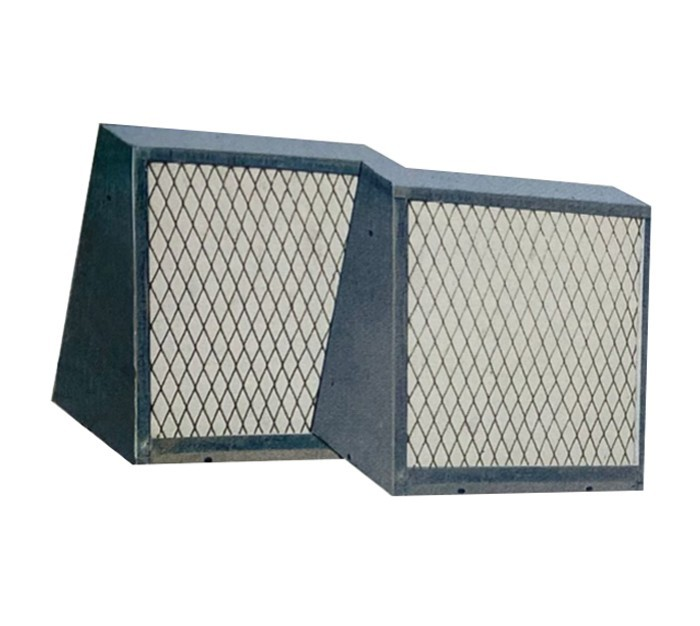
What Is a Fresh Air Filter in Textile Air Conditioning Systems?
In textile mills, air conditioning systems regulate temperature and humidity to ensure consistent production conditions. Fresh air filters are installed at the intake points where outdoor air enters the system. Their primary function is to remove airborne particles—such as dust, pollen, and fibers—before the air is conditioned and distributed. This filtration step helps protect both the health of workers and the integrity of sensitive machinery, such as spinning and weaving equipment, which can be adversely affected by particulate contamination.
How Fresh Air Filters Differ from Return Air Filters
Fresh air filters and return air filters serve different purposes within an HVAC system. Fresh air filters treat outdoor air that is introduced to maintain oxygen levels and dilute indoor pollutants. Return air filters, on the other hand, clean recirculated air that has already passed through the facility. Because outdoor air often contains higher levels of particulate matter, fresh air filters may require more frequent inspection and replacement compared to return air filters. Understanding this distinction helps facility managers allocate maintenance resources effectively.
Key Selection Criteria for XKF Fresh Air Filters
Filter Efficiency and Airflow Requirements
When selecting an XKF fresh air filter, it is important to consider the filter's efficiency rating, typically expressed as MERV (Minimum Efficiency Reporting Value) or ISO 16890 classification. Higher efficiency filters capture smaller particles but may restrict airflow, increasing energy consumption. The airflow requirement of the specific textile air conditioning unit must be matched to the filter's pressure drop characteristics. Consulting the system's design specifications or a qualified HVAC engineer can help determine the appropriate balance between filtration efficiency and airflow capacity.
Environmental Factors: Dust Load, Humidity, and Fiber Content
The operating environment of a textile mill significantly influences filter selection. Facilities located in areas with high ambient dust levels or those processing materials that generate fine fibers will require filters with higher dust-holding capacity. Humidity also affects filter performance; high moisture levels can cause filters to clog faster or promote microbial growth. Evaluating the specific dust load, humidity range, and fiber content in the air helps in choosing a filter that will maintain performance over its service life.
Compatibility with Existing Textile HVAC Units
Compatibility with existing HVAC units is a key consideration. XKF fresh air filters are designed to fit specific housing frames and duct configurations. Before purchasing, verify the filter dimensions, frame type, and sealing method to ensure a proper fit. Using incompatible filters can lead to air bypass, reduced filtration efficiency, and increased wear on the system. Reviewing the equipment manual or measuring the existing filter housing provides the necessary information for a correct match.
Maintenance Best Practices for Textile HVAC Fresh Air Filters
Inspection Frequency and Performance Monitoring
Regular inspection is vital to ensure that fresh air filters continue to operate effectively. The frequency of inspection depends on the operating hours of the facility and the ambient air quality. A common practice is to check filters monthly, with more frequent checks during high-dust seasons. Monitoring pressure drop across the filter is an objective indicator of clogging; a significant increase in pressure drop signals the need for cleaning or replacement. Keeping a log of pressure readings helps track filter performance over time.
Cleaning Methods and Replacement Intervals
Some fresh air filters are reusable and can be cleaned, while others are disposable. For reusable filters, vacuuming or washing with water (if specified by the manufacturer) can extend their life. However, cleaning may reduce filtration efficiency over time, so replacement is eventually necessary. Disposable filters should be replaced when they reach their recommended service interval or when visual inspection shows heavy soiling. Adhering to the manufacturer's guidelines for cleaning and replacement ensures consistent performance.
Common Issues and Troubleshooting
Common issues with fresh air filters include uneven airflow, increased energy consumption, and visible dust accumulation on downstream components. If these symptoms occur, check for filter bypass due to improper installation, damaged gaskets, or clogged media. Also, verify that the filter is not obstructed by debris on the outdoor intake. Addressing these issues promptly prevents more serious damage to the HVAC system and maintains indoor air quality.
XKF Fresh Air Filter Replacement: What to Consider
OEM vs. Aftermarket Filters for Textile Air Conditioning
When replacing XKF fresh air filters, facility managers may choose between original equipment manufacturer (OEM) filters and aftermarket alternatives. OEM filters are designed to meet the exact specifications of the original system, ensuring proper fit and performance. Aftermarket filters may offer cost savings, but it is essential to verify that they meet the same efficiency and dimensional standards. In either case, the filter should be compatible with the system's airflow and filtration requirements.
Sizing and Installation Notes
Proper sizing and installation are critical for effective filtration. Measure the filter slot accurately, including length, width, and depth, to avoid gaps that allow unfiltered air to pass. During installation, ensure that the filter is seated correctly and that all sealing surfaces are clean and intact. Following the manufacturer's installation instructions reduces the risk of operational issues and prolongs filter life.
Industry Standards and Compliance for Textile Air Filtration
Relevant Standards for Air Quality in Textile Facilities
Textile facilities may be subject to air quality standards set by occupational health and safety organizations. These standards often specify permissible exposure limits for airborne particulates. Compliance requires that fresh air filtration systems effectively reduce contaminant levels. While specific regulations vary by region, facility managers should be aware of applicable local and national standards and ensure that their filtration systems meet or exceed these requirements.
Energy Efficiency and Operational Cost Implications
Filter selection and maintenance directly impact energy efficiency. A clogged filter increases pressure drop, forcing the HVAC system to work harder and consume more energy. Regular maintenance, including timely cleaning or replacement, helps maintain optimal airflow and reduces energy costs. Additionally, choosing a filter with an appropriate efficiency rating for the application can balance air quality with energy consumption. Monitoring energy usage before and after filter changes provides insight into the cost implications of filter maintenance.
Enterprise Public Information Reference: Xuzhou Xinfeng Air Conditioning Equipment Co., Ltd.
Company Overview and Designated Manufacturing Background
Xuzhou Xinfeng Air Conditioning Equipment Co., Ltd. is a professional manufacturer of large-scale assembled metal air-conditioning units and purification and dust removal equipment. The company is designated by the Ministry of Textile Industry, indicating its recognized role in producing equipment for textile applications. This designation reflects the company's alignment with industry-specific manufacturing requirements.
Product Scope and Location
According to publicly available information, the company's main products include side blowers, ring blowers, compound air-conditioning units, textile dust removal equipment, and various air-conditioning components. The company is located at No. 12, Tianjin Road, Economic Development Zone, Xinyi City, Jiangsu Province. This information is provided for reference purposes and does not constitute an endorsement or recommendation.
In summary, proper selection, maintenance, and replacement of XKF fresh air filters are essential for the efficient operation of textile air conditioning systems. By considering filter efficiency, environmental factors, and compatibility, and by following regular maintenance practices, facility managers can ensure optimal air quality and system performance. For specific guidance on filter selection and maintenance, consulting a qualified HVAC professional is recommended.