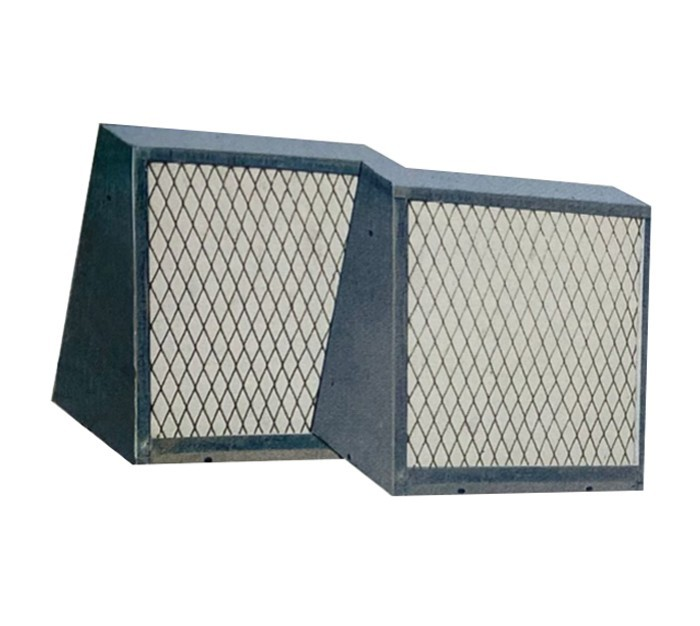
Understanding the distinction between an XKF fresh air filter and a standard filter is essential for anyone managing an HVAC system. While both serve the purpose of removing airborne particles, their design, application, and operational demands differ significantly. This article explains the core differences to help you make an informed decision about what is the difference between XKF fresh air filter and standard filters.
What Is an XKF Fresh Air Filter and How Does It Differ from a Standard Filter?
Defining XKF Fresh Air Filters
A fresh air filter is a component used in ventilation systems that introduce outdoor air into a building. Unlike filters in recirculating systems, fresh air filters must handle a higher load of outdoor pollutants, including pollen, dust, and particulate matter. The term "XKF" refers to a specific product line from a manufacturer, but the technical principles behind it align with general fresh air filtration technology. These filters are typically installed in dedicated intake ducts where outdoor air is drawn in, preconditioned, and distributed.
Standard Filters: Purpose and Typical Applications
Standard HVAC filters, such as fiberglass or pleated types, are designed primarily for recirculated indoor air. They capture particles from air that already exists within the building, helping to protect equipment and maintain basic indoor air quality. These filters are commonly rated using the MERV (Minimum Efficiency Reporting Value) scale, which indicates their ability to capture particles of specific sizes. Standard filters are not engineered to manage the pressure or particulate load associated with direct outdoor air intake.
Key Differences in Filtration Mechanism and Airflow
Filtration Media and Efficiency
One of the most notable differences lies in the filtration media. Fresh air filters often use denser synthetic materials or HEPA-like media to achieve higher efficiency, as they must contend with a broader range of outdoor contaminants. Standard filters, by contrast, typically use fiberglass or pleated polyester, which are sufficient for indoor recirculation but less effective against fine outdoor particles like PM2.5. For this reason, fresh air filters are often designed to meet higher efficiency standards.
Airflow Resistance and System Design
Denser media in fresh air filters results in higher airflow resistance, or pressure drop. This can affect the performance of the HVAC fan, which must work harder to pull air through the system. Standard filters are generally designed to minimize airflow restriction to maintain energy efficiency in recirculation loops. When comparing fresh air filter vs standard filter, it is important to consider how the additional resistance may impact system design and fan capacity.
Installation and Maintenance Considerations
Mounting and Ductwork Integration
Installation differs significantly between the two types. Fresh air filters are mounted in dedicated fresh air intake ducts, often requiring additional ductwork or adapters if retrofitted into an existing system. Standard filters are typically placed in the return air duct or directly in the air handling unit. Retrofitting a fresh air filter into a system not originally designed for it may require professional assessment and modification.
Replacement Frequency and Cost Implications
Because fresh air filters process outdoor air with higher particulate loads, they may require more frequent replacement than standard filters. The replacement interval depends on local air quality and system usage. Cost varies based on filter size and efficiency rating, but no specific pricing can be generalized. Regular inspection is recommended to determine the appropriate replacement schedule.
Performance Metrics: MERV, FPR, and MPR Ratings
Understanding MERV Ratings for Both Types
MERV ratings are the most common basis for comparing filter efficiency. Fresh air filters often target MERV 13 or higher to effectively handle outdoor pollutants, while standard filters typically range from MERV 8 to 11. A higher MERV rating indicates better capture of smaller particles, which is critical for fresh air applications where outdoor pollution is a concern.
Other Rating Systems (FPR, MPR) and Their Relevance
Retail environments sometimes use alternative metrics such as FPR (Filter Performance Rating) or MPR (Microparticle Performance Rating). These systems are proprietary and not industry standards. While they can provide a general sense of filter performance, MERV remains the most widely recognized and reliable comparison basis for HVAC professionals and consumers alike.
Choosing the Right Filter for Your HVAC System
Factors to Consider: Climate, Indoor Air Quality Needs, and System Compatibility
Selecting between a fresh air filter and a standard filter depends on several factors, including local outdoor air quality, the design of the HVAC system, and specific indoor air quality goals. In areas with high pollution or pollen counts, a fresh air filter may be more appropriate. However, system compatibility is critical; not all HVAC systems are equipped to handle the pressure drop associated with high-efficiency fresh air filters. For system-specific advice, please consult a qualified HVAC professional.
Common Misconceptions About Fresh Air Filters
A common misconception is that fresh air filters always improve indoor air quality. While they can reduce outdoor pollutants, they do not address indoor-generated contaminants such as volatile organic compounds or allergens from indoor sources. Another misconception is that standard filters are obsolete. In reality, both types serve distinct roles and are not interchangeable. The choice should be based on the specific function of the air handling system.
Manufacturer Background: Xuzhou Xinfeng Air Conditioning Equipment Co., Ltd.
Company Profile and Product Range
According to public records, Xuzhou Xinfeng Air Conditioning Equipment Co., Ltd. is a manufacturer based in Xuzhou, Jiangsu Province, China. The company was established on April 29, 2002, and is located at No. 12 Tianjin Road, Xinyi Economic Development Zone. Its product range includes side blowers, ring blowers, composite air conditioning units, textile dust removal equipment, and various air conditioning components. The XKF product line is part of this company's offerings.
Relevance to XKF Fresh Air Filters
The company's background in air conditioning and dust removal equipment is relevant to the production of fresh air filters. Publicly available information indicates that the company has been designated by the textile industry authorities as a professional manufacturer of large assembled metal air conditioning units and purification dust removal equipment. This context provides insight into the company's manufacturing capabilities, though it does not constitute a performance guarantee or endorsement.
Conclusion: Making an Informed Choice
In summary, the primary differences between an XKF fresh air filter and a standard filter lie in their purpose, filtration efficiency, installation requirements, and maintenance needs. Fresh air filters are designed to handle outdoor air with higher particulate loads, often requiring higher MERV ratings and more frequent replacement. Standard filters are suited for recirculated indoor air and are generally less demanding on system airflow. Understanding what is the difference between XKF fresh air filter and standard filters helps in selecting the right component for your system.
For those considering an upgrade or new installation, it is advisable to consult a qualified HVAC professional to evaluate system compatibility and air quality requirements. This ensures that the chosen filter aligns with both operational needs and performance expectations.