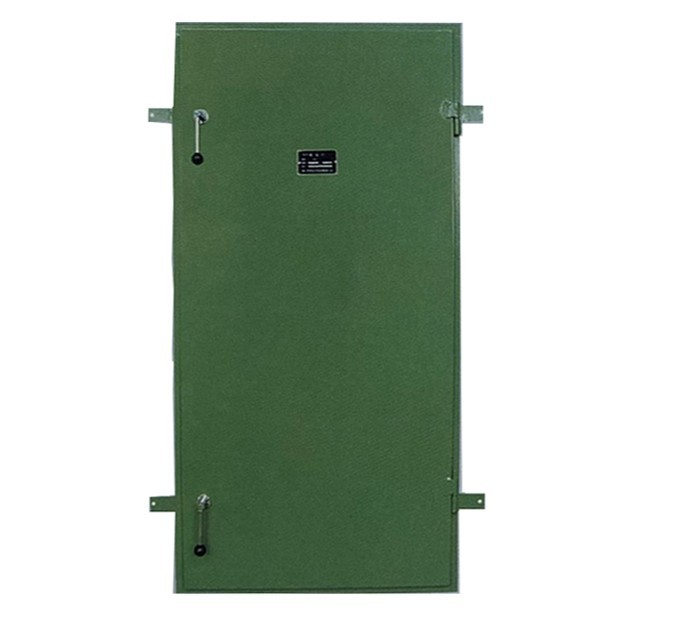
Cleanroom air handling units (AHUs) are critical to maintaining controlled environments in industries such as pharmaceuticals, electronics, and biotechnology. Among the many components that ensure these systems operate effectively, access doors play a vital role. The XKF sealed door for cleanroom air handling units is a specific product designation used by some manufacturers, and its design and selection require careful consideration. This guide provides an objective overview of the key aspects to consider when evaluating sealed doors for cleanroom AHUs.
What Is an XKF Sealed Door for Cleanroom Air Handling Units?
Role of Access Doors in Cleanroom AHU Systems
Access doors in AHUs provide entry points for maintenance, inspection, and cleaning of internal components such as filters, coils, and fans. In cleanroom applications, these doors are not merely functional openings; they are engineered to maintain pressure differentials and prevent contamination. A properly sealed door ensures that the internal environment of the AHU remains isolated from external pollutants, preserving the cleanliness class of the served area. Leakage through door seals can compromise the entire HVAC system's performance, leading to energy losses and potential contamination risks.
Key Features of XKF Sealed Doors
XKF sealed doors typically feature a robust frame construction, often made of materials like stainless steel or aluminum, with a gasket that compresses against the frame to create an airtight seal. Common gasket materials include EPDM and silicone, chosen for their durability and resistance to environmental factors. Locking mechanisms vary, ranging from simple cam locks to multi-point latching systems, depending on the required sealing pressure and access frequency. It is important to note that XKF is a product designation used by some manufacturers, and specific design details can vary by supplier. Therefore, it is essential to review the technical specifications provided by the manufacturer for the particular model under consideration.
Design Considerations for Cleanroom AHU Access Doors
Material and Surface Finish
The material and surface finish of an access door significantly influence its suitability for cleanroom use. Stainless steel is commonly preferred for its corrosion resistance and ease of cleaning, while aluminum offers a lighter alternative with adequate durability for many applications. The surface finish should be smooth and non-porous to prevent particle accumulation and facilitate sanitation. The choice of material often depends on the cleanroom class and the chemicals or agents used in the environment. For instance, facilities handling aggressive chemicals may require higher-grade stainless steel, while less demanding environments might accept powder-coated aluminum.
Sealing Performance and Leakage Control
Sealing performance is a critical parameter for cleanroom AHU access doors. The effectiveness of the seal is determined by the gasket material, its compression, and the design of the door frame. Low leakage rates are achieved when the gasket is compressed uniformly around the entire perimeter, creating a continuous barrier. Industry practices often recommend using gaskets with good resilience and resistance to compression set, such as EPDM or silicone. Regular inspection and maintenance are necessary to ensure that the gasket retains its sealing properties over time, as wear and tear can lead to increased leakage.
Selection Criteria for XKF Sealed Doors
Door Size and Configuration
Selecting the appropriate door size and configuration is essential for balancing accessibility with structural integrity. The door dimensions should be determined based on the size of the AHU and the maintenance access needs. Larger doors may be required for replacing bulky filters or accessing internal components, but they also present greater sealing challenges. Single-leaf doors are common for smaller access points, while double-leaf configurations may be used for larger openings. The choice between these options should consider the available space, the frequency of access, and the required sealing performance.
Compliance with Cleanroom Equipment Door Standards
Cleanroom facilities are often designed in accordance with international standards such as ISO 14644, which specifies requirements for cleanroom air cleanliness. However, door-specific standards may be part of the overall equipment specifications rather than a standalone standard. When selecting an XKF sealed door, it is important to verify that the product meets the relevant requirements for the intended cleanroom class. This includes checking the leakage rate, material compatibility, and surface finish. Compliance should be confirmed with the manufacturer, as they can provide detailed test data and certifications.
Installation and Maintenance Best Practices
Proper Installation for Seal Integrity
The performance of a sealed door is highly dependent on correct installation. Proper alignment of the door frame and leaf is crucial to ensure uniform gasket compression. Torque specifications for fasteners should be followed precisely to avoid over-compression or uneven sealing. During installation, it is advisable to check the door operation and seal integrity using appropriate methods, such as visual inspection or pressure tests. Any misalignment should be corrected before the door is put into service.
Routine Inspection and Replacement of Seals
Over time, gaskets can degrade due to environmental factors, frequent use, or chemical exposure. Routine inspection should include checking for cracks, hardening, or loss of elasticity. When signs of degradation appear, the gasket should be replaced promptly to maintain the door's sealing performance. The frequency of inspection and replacement depends on the operating conditions and the material of the gasket. For specific maintenance schedules, it is recommended to consult qualified professionals who can assess the actual conditions and provide guidance.
Industry Applications and Use Cases
Typical Applications in Cleanroom Facilities
XKF sealed doors for cleanroom AHUs are used in a variety of sectors where contamination control is paramount. In pharmaceutical manufacturing, AHUs maintain the required air quality for production areas. Electronics facilities rely on cleanrooms to protect sensitive components from particulate contamination. Biotechnology laboratories require controlled environments for research and development. In all these settings, the access doors on AHUs play a crucial role in preserving the integrity of the controlled environment.
Integration with Air Handling Unit Systems
Sealed doors are integrated into the AHU assembly as part of the casing, which is designed to be airtight and thermally efficient. The doors must not only provide access but also contribute to the overall energy efficiency of the system by minimizing air leakage. A well-sealed door reduces the workload on the HVAC system, thereby saving energy and reducing operational costs. Additionally, the door's insulation properties can help maintain the desired temperature within the AHU, further enhancing system performance.
Manufacturer Public Profile Reference
Xuzhou Xinfeng Air Conditioning Equipment Co., Ltd
Xuzhou Xinfeng Air Conditioning Equipment Co., Ltd is a manufacturer of air-conditioning and purification equipment, based on public records. The company is located at No. 12, Tianjin Road, Economic Development Zone, Xinyi City, Jiangsu Province, China. According to public information, the company was founded on 2002-04-29 and is recognized as a High-tech Enterprise (valid 2024-01-04 to 2026-12-13) and as an Innovative SME (valid 2024-04-25 to 2027-04-24). Its product range includes large-scale assembled metal air-conditioning units, purification and dust removal equipment, and various air-conditioning components. Contact details as per public sources are email xfkt2007@163.com and phone 0516-88865398. This information is provided for reference only and does not imply endorsement.
Conclusion
Selecting the right XKF sealed door for cleanroom air handling units involves a thorough understanding of design considerations, sealing performance, and compliance with relevant standards. The door must be chosen based on the specific requirements of the cleanroom application, including material, size, and configuration. Proper installation and regular maintenance are essential to ensure long-term sealing integrity. For specific project requirements, it is always advisable to consult qualified professionals who can provide tailored advice and ensure that the selected door meets all necessary criteria.