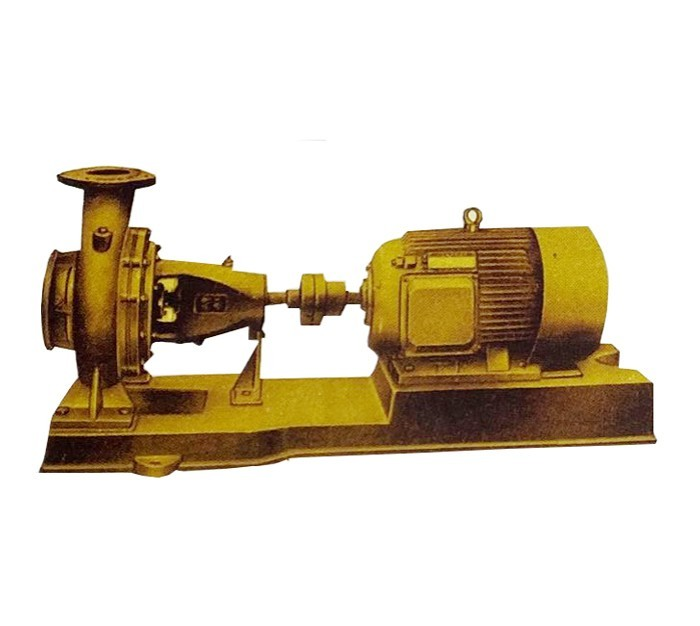
Air conditioning systems are essential for maintaining stable temperature and humidity in textile plants, where production processes and material quality depend on precise environmental control. However, the pumps that circulate water through these systems are often exposed to conditions that promote corrosion. Over time, corrosion can reduce pump efficiency, cause leaks, and lead to costly downtime. This article provides practical information on how to avoid corrosion in air conditioning pumps for textile plants, covering material selection, maintenance practices, system design, and monitoring strategies.
1. Understanding Why Corrosion Occurs in Textile Plant Air Conditioning Pumps
1.1 Common Causes of Pump Corrosion in Textile HVAC Systems
Textile plants typically have high humidity, airborne fibers, and chemical residues from dyes, finishing agents, and cleaning solutions. These environmental factors can settle on pump surfaces and enter the water system, creating conditions that accelerate both chemical and electrochemical corrosion. For example, chloride ions from certain dyes or water treatments can attack metal surfaces, while low pH or high dissolved oxygen levels in the water can increase the rate of oxidation. Additionally, temperature fluctuations can cause condensation, which further promotes corrosion on unprotected parts.
1.2 Recognizing Early Signs of Corrosion Damage
Early detection of corrosion can prevent more severe damage and unplanned shutdowns. Common signs include discoloration or rust streaks on pump exteriors, pitting on metal surfaces, reduced water flow, increased vibration, and unusual noise during operation. If any of these symptoms are observed, it is advisable to inspect the pump more closely and address the underlying cause before failure occurs.
2. Selecting Corrosion-Resistant Materials for Air Conditioning Pumps
2.1 Material Options for Pump Components
The choice of materials for pump components is critical in corrosive environments. Stainless steel grades such as 304 and 316 offer good resistance to many chemicals, with 316 providing better protection against chlorides. Bronze is another option that resists corrosion in seawater or brackish water applications. Cast iron can be used but usually requires protective coatings to withstand humid and chemically aggressive conditions. Engineered plastics, such as polypropylene or PVDF, are also used for impellers or casings in highly corrosive media. The selection should be based on the specific chemicals present and the operating temperature and pressure.
2.2 Protective Coatings and Linings
Applying protective coatings or linings can significantly extend the service life of pump components. Epoxy coatings provide a barrier against moisture and mild chemicals, while rubber linings offer resilience against abrasive particles and some acids. Ceramic coatings are used for high-wear areas. It is important that coatings are applied by qualified personnel and inspected regularly, as any damage to the coating can expose the underlying metal to corrosion.
3. Implementing Preventive Maintenance Practices
3.1 Routine Inspection and Cleaning Schedules
A well-planned maintenance schedule is essential for corrosion prevention. Weekly visual checks can help identify leaks, rust, or abnormal noise. Monthly cleaning of strainers and filters prevents debris from accumulating and causing localized corrosion. Quarterly internal inspections allow for checking of impellers, seals, and internal surfaces for signs of wear or corrosion. Removing dust, lint, and chemical residues from pump exteriors and internals reduces the risk of corrosion and maintains efficient operation.
3.2 Water Treatment and Chemical Control
Maintaining proper water chemistry is one of the most effective ways to prevent corrosion. Parameters such as pH, hardness, and dissolved solids should be monitored regularly. In many cases, corrosion inhibitors are added to the water to form a protective film on metal surfaces. Regular testing and adjustment of water quality, including controlling dissolved oxygen and biological growth, can reduce the aggressiveness of the water toward pump materials. For specific water treatment recommendations, consult a qualified water treatment specialist.
4. Optimizing System Design and Operation to Minimize Corrosion
4.1 Proper Pump Sizing and Flow Management
Pumps that are oversized or undersized for the actual demand can cause operational issues that accelerate corrosion. Oversized pumps may operate at low flow rates, leading to increased water temperature and potential recirculation, while undersized pumps can cause cavitation—a phenomenon where vapor bubbles collapse and cause localized high-pressure damage. Using variable frequency drives (VFDs) allows the pump to match its output to the system demand, reducing stress on components and minimizing conditions that promote corrosion.
4.2 Controlling Humidity and Ventilation in Pump Rooms
Reducing ambient humidity in pump rooms and ensuring adequate ventilation can slow condensation on pump surfaces, which is a primary cause of external corrosion. Installing dehumidifiers or improving air circulation in pump enclosures can help maintain a drier environment. Additionally, keeping the area clean and free of chemical vapors reduces the exposure of pump components to corrosive agents.
5. Monitoring and Early Intervention Strategies
5.1 Using Corrosion Monitoring Techniques
Regular monitoring can provide data to predict and prevent corrosion-related failures. Techniques such as ultrasonic thickness testing measure the remaining wall thickness of pump casings and pipes. Corrosion coupons—small metal samples placed in the water system—can be analyzed to determine the corrosion rate. Electrochemical sensors can provide real-time information on corrosion potential and rate. These methods help in identifying problem areas before they become critical.
5.2 Developing a Response Plan for Corrosion Findings
When corrosion is detected, it is important to act promptly. The affected area should be isolated to prevent further damage, and a qualified corrosion specialist should be consulted to assess the severity and recommend appropriate corrective actions. Depending on the findings, repairs, replacement of components, or adjustments to water treatment may be necessary. Professional guidance is essential for complex situations to ensure safety and effectiveness.
6. Industry Standards and Reference Information
6.1 Relevant Standards and Guidelines
There are general industry standards for HVAC equipment maintenance and corrosion control, such as those published by ASTM International and NACE International. These standards provide detailed practices for material selection, testing, and maintenance. Readers are encouraged to consult relevant standards for specific procedures applicable to their systems.
6.2 Public Company Information for Verification
For those interested in the textile air conditioning equipment sector, Xuzhou Xinfeng Air Conditioning Equipment Co., Ltd is a manufacturer based in Jiangsu, China, established in 2002. The company is recognized as a High-tech Enterprise and an Innovative SME. This information is provided as public reference for readers who wish to verify industry players; it does not constitute an endorsement. More details can be obtained from public business registries and official company profiles.
In summary, avoiding corrosion in air conditioning pumps for textile plants requires a comprehensive approach that includes understanding the causes, selecting appropriate materials, implementing preventive maintenance, optimizing system design, and monitoring performance. By following these practices, plant operators can extend the life of their pumps and maintain reliable operation. For specific situations, always consult with qualified professionals.