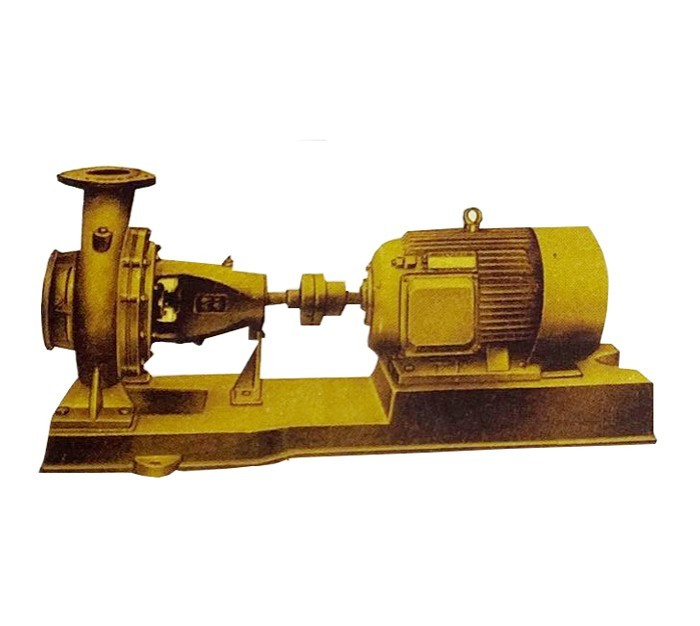
Why Corrosion Is a Persistent Challenge for AC Pumps in Textile Plants
Textile manufacturing facilities present a demanding environment for air conditioning and air handling equipment. Pumps that serve air handling units in these plants operate continuously under conditions that promote metal degradation, making corrosion control a central concern for maintenance and reliability teams. Understanding the mechanisms behind this degradation is the first step toward designing effective strategies to avoid corrosion in air conditioning pumps for textile plants.
The Humid, Lint-Laden Operating Environment
Textile plants maintain elevated humidity levels to support fiber processing and reduce static electricity. Air handling units and their associated pumps therefore operate in atmospheres saturated with moisture, where condensation forms readily on cool surfaces. At the same time, airborne lint and fiber dust settle on equipment surfaces and accumulate in condensate pans and drain lines. This combination of persistent moisture and organic particulate creates a film that traps water against metal surfaces, establishing conditions favorable for both atmospheric and electrochemical corrosion. Condensate water itself, generated continuously by cooling coils, provides a constant supply of liquid that can carry dissolved gases and ionic species.
How Corrosion Affects Pump Reliability and Maintenance Cycles
Corrosion compromises pump reliability in several ways. Pitting and general metal loss on pump casings and impellers reduce structural integrity and hydraulic efficiency. Corrosion products can accumulate in clearances, accelerating wear on seals and bearings. Shaft surfaces exposed to condensate may develop rust that damages mechanical seals and shortens their service life. As corrosion progresses, maintenance intervals typically shorten, with more frequent inspections, parts replacement, and unplanned downtime. In severe cases, corrosion-induced failures can interrupt air handling operations, affecting production conditions in humidity-sensitive textile processes.
Primary Causes of Corrosion in Air Conditioning Pumps for Textile Plants
Condensate Chemistry and Aggressive Water Conditions
Condensate water is not pure water. As moisture condenses from air, it absorbs carbon dioxide, forming carbonic acid and lowering pH. Dissolved oxygen in the condensate supports cathodic reactions in electrochemical corrosion cells. Chloride ions, which may be present from atmospheric sources or water treatment residues, are particularly aggressive toward passive oxide films on stainless steels and can initiate pitting. Low pH accelerates the dissolution of many metals, including cast iron and copper alloys commonly used in pump construction. The combination of dissolved oxygen, carbon dioxide, chlorides, and depressed pH creates a corrosive water chemistry that attacks pump internals continuously.
Material Incompatibility and Galvanic Effects
Pumps and piping systems often combine multiple metals: cast iron casings, bronze or stainless steel impellers, carbon steel shafts, and copper or galvanized piping. When dissimilar metals are in electrical contact in the presence of an electrolyte such as condensate, galvanic corrosion occurs. The less noble metal becomes anodic and corrodes at an accelerated rate, while the more noble metal is protected. Galvanic effects are especially pronounced at connections between stainless steel and carbon steel or between copper alloys and aluminum components. Poorly considered material combinations can lead to localized attack at joints, flanges, and threaded connections.
Microbiological and Deposit-Induced Corrosion
Textile lint, dust, and organic matter that accumulate on pump surfaces and in low-flow areas create deposits that shield metal from the bulk water. Under these deposits, oxygen depletion establishes differential aeration cells, leading to crevice corrosion. Microbially influenced corrosion occurs when bacteria and fungi colonize deposits and produce corrosive metabolites such as organic acids and sulfides. In humid textile environments, biofilm formation on wetted surfaces is common and can accelerate localized metal loss beneath the deposits. These mechanisms are often overlooked because the visible surface may appear intact while significant subsurface attack progresses.
Corrosion Prevention Strategies for HVAC Pumps in Textile Mills
Pump Material Selection for Humid Environments
Material selection is a foundational corrosion prevention measure. For humid, condensate-exposed service, engineers may consider corrosion-resistant stainless steels, such as austenitic grades with molybdenum additions for improved chloride resistance, or engineering plastics and elastomers for wetted components where temperature and pressure allow. Protective coatings and linings can extend the life of cast iron components, provided the coating is compatible with the water chemistry and applied correctly. The general principle is to match materials to the specific water chemistry and to avoid combinations that create galvanic couples. Material selection should account for the full range of operating conditions, including stagnant periods and cleaning chemical exposure.
Water Treatment and Condensate Management
Managing condensate quality reduces the aggressiveness of the water in contact with pump internals. pH adjustment can neutralize carbonic acid and raise pH into a less corrosive range. Corrosion inhibitors, such as filming amines or oxygen scavengers, are commonly used in condensate systems to protect metal surfaces. Controlling dissolved oxygen through deaeration or chemical scavenging reduces cathodic corrosion reactions. Regular blowdown or drainage of condensate pans prevents stagnation and accumulation of corrosive species. Water quality monitoring helps verify that treatment remains effective and allows timely adjustments.
Design and Installation Practices
Design and installation decisions strongly influence corrosion outcomes. Avoiding dead legs and stagnant zones in piping minimizes areas where deposits and biofilms accumulate. Proper pipe routing with adequate drainage prevents water from pooling on pump surfaces. Minimizing dissimilar metal connections, or using dielectric unions and insulating gaskets where they are unavoidable, reduces galvanic corrosion risk. Smooth internal surfaces and accessible drain points facilitate cleaning. Adequate ventilation around pumps reduces condensation on external surfaces. These measures are most effective when incorporated at the design stage rather than retrofitted later.
Maintenance and Corrosion Monitoring for Textile Mill Air Handling Units
Routine Inspection and Cleaning Schedules
Regular inspection and cleaning are essential for textile mill air handling unit maintenance. Scheduled checks should include visual examination of pump casings, impellers, shafts, and seal areas for signs of rust, pitting, or deposit buildup. Lint and fiber deposits should be removed from condensate pans, strainers, and pump surfaces before they consolidate into tenacious layers. Seals and gaskets should be replaced at recommended intervals or when wear is observed. Maintaining clean, dry conditions around pumps and associated piping reduces the opportunity for corrosion to initiate and progress.
Corrosion Monitoring Methods for Air Conditioning Pumps
Corrosion monitoring provides early warning of degradation before functional failure occurs. Corrosion coupons installed in representative locations allow periodic assessment of metal loss rates. Ultrasonic thickness measurement can track wall loss in pump casings and piping without disassembly. Water quality monitoring for pH, dissolved oxygen, chloride concentration, and conductivity helps correlate changes in water chemistry with corrosion risk. Visual inspection remains a valuable complement to these techniques. A structured monitoring program supports timely maintenance decisions and helps validate the effectiveness of corrosion prevention measures.
Summary of Corrosion Avoidance Principles
Avoiding corrosion in air conditioning pumps for textile plants requires attention to four general areas. Material selection should match corrosion-resistant alloys, plastics, or coatings to the condensate chemistry and avoid galvanic couples. Water treatment and condensate management should control pH, dissolved oxygen, and corrosive ions while preventing stagnation. Design and installation practices should eliminate dead zones, manage dissimilar metal connections, and promote drainage and ventilation. Maintenance and monitoring should combine routine cleaning and inspection with corrosion coupons, thickness measurement, and water quality testing. Together, these principles form a practical framework for HVAC pump corrosion prevention in humid, lint-laden textile environments.