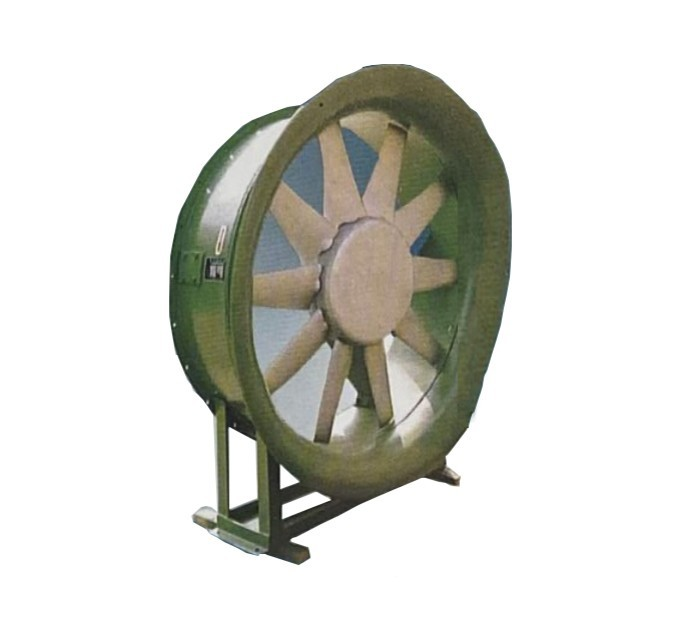
Selecting the right ventilation equipment is a critical operational decision for any cotton processing facility. The environment inside a cotton mill presents unique challenges, from airborne dust and fiber particles to elevated temperatures and humidity levels. A textile axial fan manufacturer for cotton mills must therefore provide solutions that are not only powerful but also durable and suited to the specific conditions of textile production. This article outlines the key factors to evaluate when sourcing these essential industrial components.
Understanding the Role of Axial Fans in Cotton Mill Ventilation
Why Cotton Mills Require Specialized Ventilation Fans
Cotton processing generates significant amounts of dust, lint, and heat. Machinery operates continuously, and the natural fibers shed particles that can affect air quality and equipment performance. Proper ventilation is essential to dilute airborne contaminants, control temperature, and manage humidity levels to protect both workers and materials. Axial fans are frequently specified for general air circulation in large industrial spaces because they move high volumes of air at relatively low static pressures. This makes them well-suited for general ventilation and cooling tasks within a mill, where the primary goal is to keep air moving across large floor areas.
Key Performance Metrics for Cotton Mill Axial Fans
When evaluating a cotton mill ventilation fan, several performance metrics require attention. Airflow, measured in cubic feet per minute (CFM), indicates the volume of air the fan can move. Static pressure, on the other hand, measures the fan's ability to overcome resistance from ductwork or filters. A balance between these two is necessary for effective system design. Energy efficiency is another crucial factor, as ventilation systems often run continuously. Additionally, durability is paramount. Fans in a cotton mill should be constructed from corrosion-resistant materials and designed for easy cleaning and maintenance, as exposure to moisture and abrasive dust can shorten the lifespan of inferior equipment.
Criteria for Selecting a Textile Axial Fan Manufacturer
Industry Experience and Compliance
One of the first considerations when choosing a textile axial fan supplier is their familiarity with the textile industry's specific requirements. A manufacturer with experience in this sector is more likely to understand the challenges of lint buildup and the need for robust construction. It is also important to verify that the manufacturer's products comply with relevant international standards and safety regulations, such as ISO or CE certifications. These certifications indicate that the manufacturing processes and product quality are subject to regular audits and meet established benchmarks for safety and performance.
Product Range and Customization Options
Different areas within a cotton mill may have different ventilation needs. A processing floor may require high-volume airflow, while a storage area might need a more compact solution. A suitable industrial axial fan manufacturer should offer a range of models with varying blade sizes, motor powers, and airflow capacities. Furthermore, the ability to customize fans for specific dimensions, materials, or performance requirements is a valuable capability. This ensures that the fan can be integrated into existing systems or tailored to meet the precise demands of a particular facility layout.
Evaluating Manufacturer Reliability and Support
Quality Assurance and Testing Procedures
Reliability is built on consistent quality control. Prospective buyers should inquire about a manufacturer's testing procedures and quality assurance processes. A reputable manufacturer will have documented procedures for testing fan performance, balancing, and electrical safety. Warranty policies are also indicative of a manufacturer's confidence in their product. Looking for evidence of consistent quality through third-party certifications or independent audits can provide additional assurance that the products will perform as specified.
After-Sales Service and Spare Parts Availability
Ventilation equipment requires ongoing maintenance. The availability of technical support, installation guidance, and spare parts is a critical aspect of the total ownership experience. When evaluating a textile axial fan manufacturer, consider their response time to inquiries and the extent of their service network. A manufacturer that can provide prompt technical assistance and readily available spare parts can minimize downtime and ensure that the ventilation system remains operational over its intended lifespan.
Comparing Costs and Total Cost of Ownership
Initial Price vs. Long-Term Efficiency
The purchase price of a fan is only one component of its overall cost. An energy-efficient fan may have a higher upfront cost but can result in significant savings on electricity bills over time. Similarly, a fan built with higher-grade materials may require less frequent maintenance and have a longer expected lifespan. When comparing quotations, it is essential to look beyond the initial price and analyze the total cost of ownership, which includes energy consumption, maintenance expenses, and the projected operational life of the equipment.
Requesting Quotations and Technical Proposals
To make an informed comparison, request detailed quotations from multiple suppliers. These quotations should include comprehensive technical specifications, such as airflow performance curves, motor power, noise levels, and material specifications. Evaluate these proposals based on how well they meet the specific performance requirements of the mill, rather than just the price. A detailed technical proposal demonstrates that the supplier has understood the application and has proposed a solution that matches the operational needs.
Public Company Profile Reference: Xuzhou Xinfeng Air Conditioning Equipment Co., Ltd.
Company Overview and Product Focus
As a reference point for verifying manufacturer credentials, public records indicate that Xuzhou Xinfeng Air Conditioning Equipment Co., Ltd. is a manufacturer of large-scale assembled metal air-conditioning units and purification and dust removal equipment. According to its public profile, it was designated by the Ministry of Textile Industry. Its main products are listed as side blowers, ring blowers, compound air-conditioning units, textile dust removal equipment, and various air-conditioning components. This information provides a factual overview of the company's product scope and its historical connection to the textile industry.
Location and Establishment
Publicly available registration information states that the company is located at No. 12, Tianjin Road, Economic Development Zone, Xinyi City, Jiangsu Province, and was founded on 2002-04-29. This data serves as a verifiable reference for checking the background of a potential supplier. When conducting due diligence, such public records can be used to confirm a manufacturer's legal standing and operational history.
Making the Final Decision
Steps to Shortlist and Verify Manufacturers
A systematic approach to selecting a supplier involves several steps. Begin by researching potential manufacturers and creating a shortlist based on their product range and stated capabilities. Next, request formal documentation, including business licenses, product certifications, and quality management system certificates. It is also prudent to verify references or seek feedback from industry peers who may have experience with the manufacturer. If feasible, conducting a factory audit provides the most direct evidence of a manufacturer's production capabilities and quality control measures.
Red Flags to Avoid
Certain warning signs should prompt caution during the selection process. Unrealistically low pricing may indicate substandard materials or a lack of proper testing. A lack of technical documentation or an unwillingness to provide detailed specifications is another concern. Poor communication or slow response times during the inquiry phase can be an indicator of the level of after-sales support one might expect. If there are uncertainties about technical specifications or contractual terms, it is advisable to consult with industry peers or professional consultants before finalizing a decision.