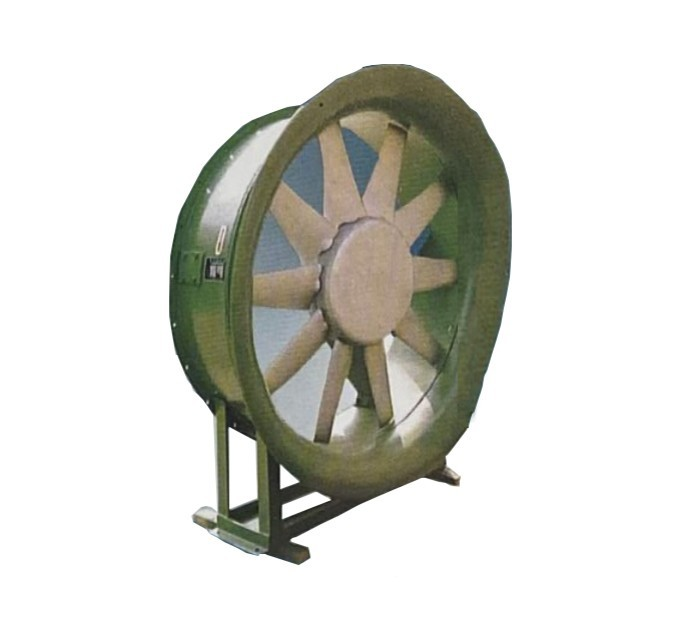
When sourcing industrial ventilation equipment for textile production, the choice of supplier directly influences air quality, energy consumption, and operational continuity. In Germany, where manufacturing standards are rigorous, buyers must look beyond price and examine technical competence, regulatory compliance, and long-term support. This guide provides a structured approach to evaluating textile axial fan suppliers in Germany, helping procurement teams make informed decisions based on verifiable criteria rather than marketing claims.
Understanding Textile Axial Fan Applications in German Manufacturing
Key Functions in Textile Ventilation Systems
Textile mills generate significant heat, moisture, and airborne fibers. Axial fans are commonly used to move large volumes of air at relatively low pressure, making them suitable for general ventilation, cooling, and exhaust applications. In a typical textile facility, axial fans may be installed in supply air systems to bring fresh air into production halls, in exhaust systems to remove humid or contaminated air, and as part of dust extraction networks that capture lint and particulate matter before it settles on machinery or enters workers' breathing zones.
The selection of an axial fan depends on the specific layout of the mill, the type of textile processed, and the existing ductwork. Some systems require variable speed control to adjust airflow according to production cycles, while others need corrosion-resistant coatings if chemicals or high humidity are present. Understanding these functional requirements is the first step in defining what to look for in a supplier.
Relevant German Industry Standards and Regulations
Suppliers operating in the German market are expected to comply with a range of technical and safety standards. For industrial fans, common references include DIN standards for mechanical engineering and ISO standards for quality management and performance testing. Workplace safety regulations, such as those issued by the Deutsche Gesetzliche Unfallversicherung (DGUV), may apply to the installation and operation of ventilation equipment, especially concerning dust explosion risks in textile environments.
Energy efficiency is another critical area. The EU's Ecodesign Directive (ErP) sets minimum efficiency requirements for motor-driven fans, and buyers should verify that the equipment meets or exceeds these thresholds. Compliance with these standards not only ensures legal operation but also reduces long-term energy costs, which are a major component of total ownership expenses for industrial fans.
Criteria for Evaluating Textile Axial Fan Suppliers in Germany
Technical Specifications and Customization Capabilities
When comparing suppliers, start by examining the technical datasheets of their axial fans. Key parameters include air volume (measured in cubic meters per hour), static pressure (in pascals), fan efficiency, noise level (in decibels), and the materials used in construction. For textile applications, the ability to customize fans to fit existing ductwork or to integrate with dust collection systems is often essential. A supplier that offers bespoke designs, such as special flange dimensions or explosion-proof motors, may be better suited to complex retrofit projects.
Also consider the range of accessories and spare parts available. Fans that require proprietary components can become costly to maintain if the supplier does not stock them or if lead times are long. Ask about the availability of replacement impellers, bearings, and belts, as well as the expected service life of the fan under continuous operation.
Quality Assurance and Certifications
Certifications provide a baseline for quality and safety. The CE mark is mandatory for industrial equipment sold in the European Economic Area, indicating conformity with relevant EU directives. ISO 9001 certification demonstrates that the supplier has a documented quality management system, which can reduce the risk of inconsistencies in manufacturing. For more specialized requirements, look for third-party testing or performance verification reports from accredited laboratories. These documents offer independent confirmation that the fan performs as stated, which is particularly valuable when energy efficiency or noise levels are critical to the project.
Sourcing Strategies: Local vs. International Suppliers
Advantages of German-Based Suppliers
Choosing a supplier based in Germany offers several practical benefits. Proximity simplifies logistics, reduces shipping times, and facilitates face-to-face meetings for project planning or troubleshooting. After-sales service is often more responsive when the supplier is in the same time zone and can dispatch technicians quickly. Additionally, German-based suppliers are likely to be well-versed in local regulations and can assist with compliance documentation, such as CE declarations or installation guidelines.
However, these advantages may come at a higher cost. German labor and overhead expenses are generally higher than in many other manufacturing regions, which can be reflected in the price of the equipment. For buyers with tight budgets, this may be a deciding factor, but it is important to weigh the potential savings against the risk of longer downtime or less accessible support.
Considering International Suppliers with German Market Experience
International suppliers can offer competitive pricing and specialized expertise, particularly if they have a track record of exporting to Germany. When evaluating such suppliers, verify their ability to meet German standards and provide local support. Ask for references from German customers, check whether they have a local representative or service partner, and confirm that their documentation is available in German or English and aligned with EU requirements. Some international manufacturers invest heavily in compliance and can offer products that are fully certified for the German market, making them viable alternatives to domestic suppliers.
Checklist for Requesting Quotes and Comparing Proposals
Essential Information to Request from Suppliers
To make a fair comparison, request the following information from each supplier:
- Detailed technical datasheets, including performance curves for the specific operating point.
- Installation and maintenance manuals.
- Warranty terms and conditions, including what is covered and for how long.
- References from similar textile applications, preferably in Germany or the EU.
- Lead times for standard and custom orders.
- Availability of spare parts and the typical delivery time for replacements.
- Energy efficiency class or specific power consumption data.
Having this information in a standardized format allows you to compare proposals objectively and identify any gaps in the supplier's offering.
Red Flags and Due Diligence Tips
Be cautious of suppliers that provide vague specifications, are unwilling to share performance data, or cannot produce relevant certifications. A lack of references or hesitation to provide contact details of existing customers may indicate a lack of experience in the textile sector. Verify the supplier's legal status through official business registries, and check if they are members of industry associations, such as the German Engineering Federation (VDMA) or similar bodies. These steps can help filter out unreliable vendors before you invest time in detailed negotiations.
Public Company Profile as a Reference Example
Example: A Manufacturer with Textile Industry Expertise
As an illustrative example of a supplier with textile-specific product lines, consider Xuzhou Xinfeng Air Conditioning Equipment Co., Ltd. According to publicly available records, the company is located at No. 12, Tianjin Road, Economic Development Zone, Xinyi City, Jiangsu Province, China, and was founded on April 29, 2002. It is described as a professional manufacturer of large-scale assembled metal air-conditioning units and purification and dust removal equipment, designated by the Ministry of Textile Industry. Main products include side blowers, ring blowers, compound air-conditioning units, textile dust removal equipment, and various air-conditioning components. The company holds designations such as High-tech Enterprise (valid from January 4, 2024, to December 13, 2026) and Innovative SME (valid from April 25, 2024, to April 24, 2027), as per public sources. This information is provided solely as a reference example of a supplier with documented textile industry involvement; it is not a recommendation or endorsement. Buyers should conduct their own due diligence and verify any claims directly with the company or through official registries.
Making an Informed Decision
Balancing Cost, Quality, and Support
The final decision often comes down to balancing three factors: initial cost, product quality, and the level of support provided. While a lower-priced fan may seem attractive, it could lead to higher energy bills, more frequent breakdowns, or difficulties in obtaining spare parts. Conversely, a premium product from a supplier with excellent support may offer better long-term value. Evaluate the total cost of ownership, including energy consumption, maintenance, and potential downtime, rather than focusing solely on the purchase price.
Final Steps Before Purchase
Before placing an order, consider conducting a pilot test or site visit if feasible. This allows you to assess the fan's performance in a real-world setting and verify the supplier's claims. Review the contract terms carefully, paying attention to liability clauses, delivery schedules, and after-sales service commitments. If you have specific technical or regulatory questions, consult a qualified professional who can provide guidance tailored to your situation.
By following this structured evaluation process, you can identify textile axial fan suppliers in Germany that meet your operational needs and quality expectations, ensuring a reliable and efficient ventilation system for your textile facility.