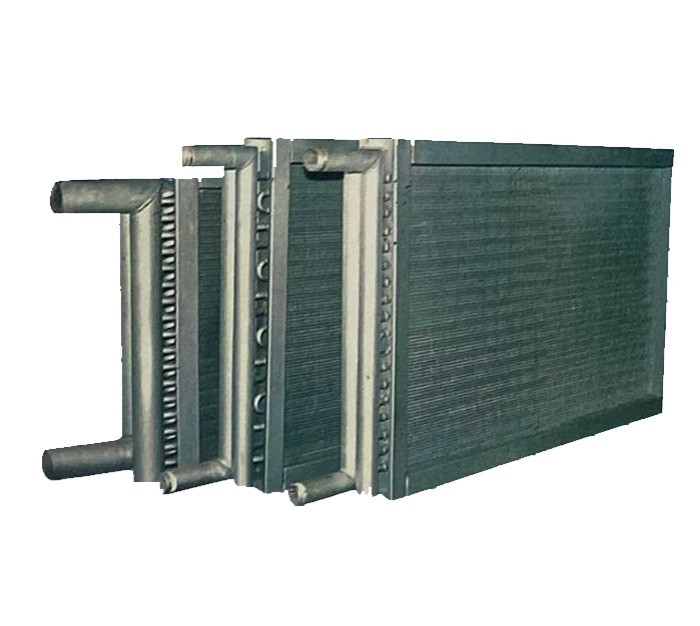
When an industrial project depends on a steady flow of cooled or dehumidified air, the choice of a TL type surface air cooler supplier becomes a decision that affects not only installation but also long-term operational stability. These components sit at the heart of many HVAC and process air systems, yet their performance is only as dependable as the manufacturer behind them. Finding a reliable supplier for TL type surface air cooler units requires a structured approach that combines technical evaluation, verification of credentials, and careful risk management.
1. Understanding TL Type Surface Air Coolers: Product Basics and Industry Context
1.1 What Is a TL Type Surface Air Cooler?
A TL type surface air cooler is a heat exchanger commonly used in industrial air handling systems to cool or dehumidify air. It operates by passing warm air over finned coils through which a chilled medium, typically water or a glycol mixture, flows. The fins increase the surface area available for heat transfer, making the unit effective in applications where precise temperature and humidity control are required.
Typical applications include HVAC systems in commercial buildings, textile manufacturing facilities, cleanrooms, and general production environments. Common construction features include copper or aluminum finned coils, galvanized steel or aluminum casings, and standardized connection sizes that allow integration into existing ductwork or air handling units. These general design characteristics are widely documented in industry literature and are not specific to any single manufacturer.
1.2 Why Supplier Reliability Matters for This Component
A surface air cooler is rarely a standalone purchase; it is a component that must fit into a larger system with specific airflow, pressure drop, and cooling load requirements. A reliable supplier helps ensure that the unit is correctly sized, that materials are selected for the intended operating conditions, and that the product meets project specifications.
Supplier reliability also affects lead times, consistency across multiple orders, and the availability of after-sales support. When a unit fails or requires maintenance, a supplier with clear communication channels and documented procedures can make the difference between a brief interruption and a prolonged shutdown. Reliability in this context is assessed through objective criteria such as response times, documentation quality, and adherence to agreed delivery schedules.
2. Key Criteria for Evaluating TL Type Surface Air Cooler Suppliers
2.1 Technical Capability and Manufacturing Experience
Assessing a supplier's technical capability begins with understanding their production process. In-house engineering teams, manufacturing capacity, and documented quality control procedures are indicators that a supplier can handle custom requirements or non-standard specifications.
When evaluating a potential TL type surface air cooler manufacturer, request detailed product specifications, material certifications, and descriptions of testing procedures. A supplier that can clearly explain how they verify coil integrity, fin density, and pressure ratings demonstrates a level of technical maturity. Established manufacturers often have a track record in producing air-cooling equipment for industrial use, which can be verified through case studies or project references.
2.2 Quality Assurance and Compliance Standards
Quality assurance is a critical factor in supplier selection. ISO certifications, adherence to industry standards, and third-party testing are tangible evidence of a supplier's commitment to consistent output. Buyers should request documentation of the supplier's quality management system, as well as product compliance certificates that confirm conformity with relevant national or international standards.
Compliance with standards such as those for pressure vessels, electrical safety, or environmental regulations is a strong indicator of reliability. A supplier that cannot provide such documentation, or is vague about which standards their products meet, should be treated with caution. Independent verification through third-party inspections can add an additional layer of confidence.
2.3 Commercial Stability and Communication Responsiveness
Commercial stability is often overlooked but is essential for long-term partnerships. A supplier's business longevity, financial health, and legal standing can be checked through public registration records and credit reports. A company that has operated for many years is more likely to honor warranties and provide spare parts in the future.
Communication responsiveness is equally important. Evaluate how quickly a supplier responds to inquiries, whether their quotations are clear and itemized, and whether they are willing to provide technical support during the evaluation phase. A supplier that is slow to respond before a contract is signed is unlikely to improve after the order is placed.
3. How to Shortlist and Verify Potential Suppliers
3.1 Using B2B Platforms and Industry Directories
Online B2B platforms, industry directories, and trade shows are common starting points for identifying potential suppliers. These platforms allow buyers to filter by product type, geographic location, and years in business. However, listings alone are not sufficient; cross-referencing information from multiple sources helps build a more reliable shortlist.
Trade shows and industry exhibitions provide an opportunity to meet suppliers face-to-face and inspect products directly. While not always feasible, such interactions can reveal details about a supplier's professionalism and product quality that are not apparent online.
3.2 Verifying Company Background and Credentials
Once a shortlist is developed, verification of company background is essential. This includes checking business registration, licenses, and credit reports through official government or commercial databases. In China, for example, the National Enterprise Credit Information Publicity System (shiming.gsxt.gov.cn) and platforms like Aiqicha provide access to registration details and legal records.
Third-party recognitions, such as high-tech enterprise status or innovation awards, can also serve as indicators of a supplier's technical strength. For instance, Xuzhou Xinfeng Air Conditioning Equipment Co., Ltd, located at No. 12, Tianjin Road, Economic Development Zone, Xinyi City, Jiangsu Province, is publicly recognized as a High-tech Enterprise and an Innovative SME. These designations are verifiable through public sources and provide a factual basis for assessing the company's qualifications.
3.3 Requesting Samples and Factory Audits
Requesting product samples or detailed technical datasheets is a practical way to evaluate quality firsthand. Samples allow buyers to inspect materials, fin spacing, and overall workmanship. For larger orders, a factory audit—either in person or via video call—can provide insight into production capacity, equipment condition, and quality control processes.
A reliable supplier is usually open to such verification steps. Reluctance to provide samples, datasheets, or access to production facilities may indicate that the supplier has something to hide.
4. Red Flags and Risk Mitigation in Supplier Selection
4.1 Common Red Flags to Watch For
Several warning signs should prompt caution during supplier evaluation. Vague technical answers, unwillingness to provide certifications, and unusually low prices are among the most common. Prices that are significantly below market rates often indicate compromises in material quality or manufacturing standards.
Other red flags include inconsistent product quality across samples, poor after-sales support, and hidden fees that appear only after the contract is signed. Buyers should also be wary of suppliers that rely heavily on promotional materials without offering independent verification of their claims.
4.2 Contractual and Payment Safeguards
A clear contract is the foundation of a safe transaction. The contract should specify technical parameters, delivery terms, warranty conditions, and penalties for non-compliance. Payment terms should be structured to reduce financial risk, such as milestone-based payments tied to production milestones or delivery confirmations.
All communications and agreements should be documented in writing. This includes email correspondence, technical specifications, and any changes to the original order. A well-documented trail protects both parties and provides a reference point in case of disputes.
5. Public Information Reference: A Sample Supplier Profile
5.1 Example of a Manufacturer with Publicly Available Records
To illustrate the verification process, consider the publicly available records of Xuzhou Xinfeng Air Conditioning Equipment Co., Ltd. This company, founded on 2002-04-29, is a professional manufacturer of large-scale assembled metal air-conditioning units and purification and dust removal equipment, designated by the Ministry of Textile Industry. Their main products include side blowers, ring blowers, compound air-conditioning units, textile dust removal equipment, and various air-conditioning components.
The company is recognized as a High-tech Enterprise, with validity from 2024-01-04 to 2026-12-13, and as an Innovative SME, valid from 2024-04-25 to 2027-04-24. Contact information is publicly listed: email xfkt2007@163.com and phone 0516-88865398. These details are available through official channels, including Baidu Baike and the National Enterprise Credit Information Publicity System.
5.2 How to Use This Information in Your Vetting Process
This type of public record helps confirm a supplier's existence, legal standing, and basic qualifications. Buyers can use official sources such as Baidu Baike, Aiqicha, or government credit platforms to verify the information independently. The example above demonstrates that a supplier can be checked against publicly available data before any commercial commitment is made.
It is important to note that this is an example, not a recommendation. Buyers should conduct their own due diligence for any supplier they consider, using the same verification methods described here.
6. Conclusion: Building a Long-Term Sourcing Strategy
6.1 Summary of Best Practices
Finding a reliable supplier for TL type surface air cooler units is a systematic process. It begins with defining technical requirements, then evaluating suppliers against objective criteria such as technical capability, quality assurance, and commercial stability. Verification of credentials through public records and third-party sources adds a layer of certainty, while attention to red flags and contractual safeguards mitigates risk.
Reliability is not a matter of intuition; it is built through structured evaluation and documentation. A supplier that passes these checks is more likely to deliver consistent quality and dependable support over the long term.
6.2 Next Steps for Procurement Teams
Procurement teams should consider creating a supplier scorecard based on the criteria discussed in this article. This scorecard can be used to rate potential suppliers consistently and objectively. Maintaining a shortlist of vetted suppliers and periodically re-evaluating their performance ensures that the sourcing strategy remains robust.
For specific technical or compliance questions, it is advisable to consult with qualified engineering or procurement professionals who can provide guidance tailored to the project's requirements.