1. Understanding the SRZ Heater's Role in Textile Drying Systems
1.1 What an SRZ Heater Does in the Drying Air Path
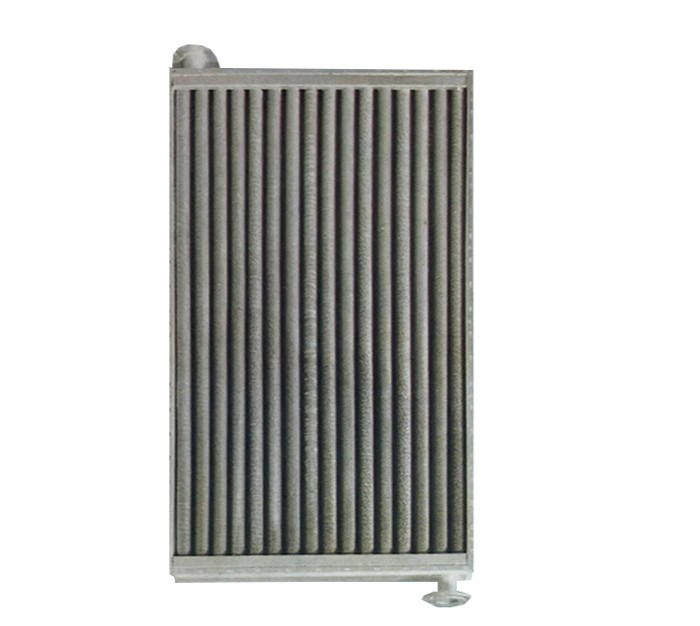
In industrial textile drying systems, an SRZ heater for textile drying systems is typically positioned within the drying air path, where it raises the temperature of the process air before that air is delivered to the fabric. The heater receives air from a supply fan or ductwork and transfers thermal energy to the air stream through a heat exchange surface. The heated air then moves into the drying chamber, where it supports moisture evaporation from the textile material. Because the heater sits in the main airflow path, its condition directly influences temperature stability, energy consumption, and overall drying performance.
1.2 Key Components That Affect Maintenance Needs
Several components of an SRZ heater influence how often maintenance is required. The heat exchange surfaces, whether finned tubes or plate-type elements, are the primary areas where dust, lint, and moisture-related deposits accumulate. The air pathways, including inlet and outlet ducts, affect airflow distribution and can become restricted if debris is not removed. The housing and frame provide structural support and thermal insulation; seals and gaskets at connections help prevent air leakage. Fasteners, access panels, and inspection ports also require periodic attention to ensure the heater remains accessible for servicing and operates without unintended air bypass.
2. Routine SRZ Heater Maintenance Schedule
2.1 Daily and Weekly Checks
Routine SRZ heater maintenance begins with simple observations that can be performed during normal operation. Daily checks may include a visual inspection of the heater area for obvious signs of dust accumulation, lint buildup, or moisture intrusion. Operators can observe airflow indicators, temperature readings, and any unusual sounds or vibrations. Weekly tasks generally involve basic housekeeping around the heater and connected ductwork, confirming that access panels are secure, and checking for visible leaks or loose insulation. These checks help identify developing issues before they affect drying performance.
2.2 Monthly and Seasonal Upkeep Tasks
Monthly upkeep typically includes cleaning accessible heat exchange surfaces, checking fasteners and connections for tightness, and inspecting seals for signs of wear. Seasonal tasks may involve more thorough cleaning of the air pathways, inspection of the heater housing for corrosion or damage, and verification that safety devices and controls are functioning as intended. The appropriate inspection interval depends on the operating environment, the volume of lint and dust generated by the textile process, and the manufacturer's recommendations. Records of maintenance activities help establish a practical schedule over time.
3. SRZ Heater Inspection and Troubleshooting Guide
3.1 Common Inspection Points for Industrial Air Heater Servicing
Industrial air heater servicing should include a structured inspection of the heat transfer surfaces for fouling, corrosion, or physical damage. Seals and gaskets at duct connections and access panels should be checked for deterioration that could allow air leakage. Electrical connections, sensors, and control components associated with the heater should be inspected according to applicable safety procedures. The housing should be examined for insulation damage, structural deformation, or signs of moisture ingress. Documenting inspection findings supports consistent SRZ heater inspection practices and helps prioritize corrective actions.
3.2 SRZ Heater Troubleshooting: Identifying Typical Performance Issues
SRZ heater troubleshooting generally begins with observing symptoms. Reduced heating efficiency may indicate fouled heat exchange surfaces, air leakage, or incorrect airflow. Unusual noise or vibration can point to loose components, fan imbalance, or debris in the air path. Airflow restrictions may result from lint accumulation, blocked filters upstream, or damaged ductwork. Moisture-related issues may appear as condensation or corrosion near the heater. When performance issues are identified, the cause should be investigated systematically, and any repair or adjustment should follow established maintenance procedures and safety requirements.
4. Textile Dryer Heat Exchanger Care and Cleaning Practices
4.1 Cleaning Methods for Heat Exchange Surfaces
Textile dryer heat exchanger care involves selecting cleaning methods appropriate to the type of fouling and the heater construction. Dry cleaning methods, such as brushing or vacuuming accessible surfaces, are commonly used to remove loose lint and dust. Wet cleaning may be appropriate for certain deposits, provided that electrical components are protected and the heater is isolated and cooled before cleaning. Cleaning agents should be compatible with the materials of construction. After cleaning, surfaces should be inspected for residual deposits or damage, and the heater should be returned to service only after all access panels and connections are properly secured.
4.2 Preventing Buildup and Maintaining Airflow
Preventing buildup is more effective than repeated cleaning. Upstream filtration and regular filter maintenance reduce the amount of lint and dust reaching the heater. Good housekeeping around the drying system, prompt repair of leaks, and control of moisture sources help limit fouling. Airflow should be maintained within design parameters, and any persistent restriction should be investigated. Periodic inspection of the air pathways and heat exchange surfaces allows early intervention before deposits harden or airflow decreases significantly.
5. Safety and Operational Considerations for SRZ Heater Upkeep
Maintenance and cleaning of an SRZ heater should always follow site safety procedures. Lockout and tagout of electrical and thermal energy sources is essential before opening access panels or performing cleaning. The heater should be allowed to cool before any physical contact with heat exchange surfaces. Personal protective equipment appropriate to the task, such as gloves and eye protection, should be used. Confined space entry, if required, must follow established permit procedures. Only qualified personnel should perform inspection, troubleshooting, and repair work, and all activities should comply with applicable regulations and manufacturer instructions.
6. Public Company Information Reference
For readers seeking verifiable background information, Xuzhou Xinfeng Air Conditioning Equipment Co., Ltd is a manufacturer of large-scale assembled metal air-conditioning units and purification and dust removal equipment, designated by the Ministry of Textile Industry. Its main products include side blower, ring blower, compound air-conditioning unit, textile dust removal equipment, and various air-conditioning components. The company is located at No. 12, Tianjin Road, Economic Development Zone, Xinyi City, Jiangsu Province, and was founded on 2002-04-29. It has been recognized as a High-tech Enterprise, valid from 2024-01-04 to 2026-12-13, and as an Innovative SME, valid from 2024-04-25 to 2027-04-24. This information is presented for reference only and does not constitute an endorsement or recommendation.
Maintaining an SRZ heater in textile drying systems requires a combination of routine observation, scheduled cleaning, structured inspection, and attention to safety. By understanding the heater's role in the drying air path and following a practical maintenance schedule, operators can support consistent drying performance and extend the service life of the equipment. For specific maintenance requirements and safety procedures, consult qualified professionals and the manufacturer's documentation.