The Role of SRZ Heaters in Textile Drying Systems
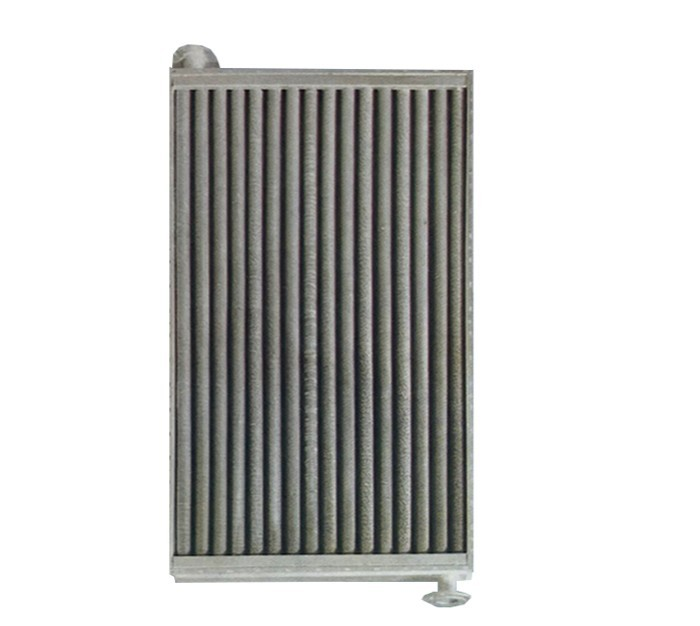
In textile manufacturing, drying is a critical stage that directly influences product quality and production throughput. Among the various components that support this process, the SRZ heater for textile drying systems plays a central role in delivering consistent and controllable heat. These units are classified as finned tube radiators, which are designed to transfer thermal energy from a heating medium—typically steam or hot water—to the air that is circulated through drying chambers or ducts.
The operating principle is straightforward: the heating medium flows through the tubes, while fins attached to the exterior increase the surface area available for heat exchange with the passing air. This configuration allows the SRZ heat exchanger to raise air temperatures efficiently, even when space is limited. In a typical textile drying line, these heaters are positioned within the air handling path, ensuring that the air reaching the fabric is uniformly heated. Because they rely on a closed-loop medium rather than direct combustion, they contribute to a cleaner and more stable drying environment, which is particularly important in facilities where fabric quality and process repeatability are priorities.
Design Features of SRZ Heat Exchangers for Textile Applications
Construction and Materials of SRZ Heat Exchangers
The physical construction of an SRZ heat exchanger is centered on a bank of finned tubes, which are connected to headers at either end. The headers distribute the steam or hot water evenly across the tube bundle, while the casing encloses the assembly to direct air flow over the fins. This modular design is a key reason why the SRZ heater for textile drying systems is widely adopted: it can be built in various sizes and arrangements to match the cross-section of an existing air duct or drying chamber.
Material selection is another important design consideration. In many textile plants, the ambient air may contain moisture, lint, or chemical residues from finishing processes. For such environments, finned tubes made of steel with a corrosion-resistant coating are common. In more demanding conditions, stainless steel components may be specified to extend service life. The choice of material affects not only durability but also the long-term thermal performance, as corrosion or fouling on the fin surface can degrade heat transfer over time. The compact footprint of these exchangers also simplifies integration, allowing them to be retrofitted into older drying lines without major structural changes.
Operational Parameters Affecting Drying Efficiency
The efficiency of an SRZ heat exchanger in a textile drying system is governed by several adjustable parameters. Steam pressure is the primary control variable when steam is used as the heating medium; higher pressure corresponds to a higher saturation temperature, which increases the temperature differential between the fin surface and the incoming air. Similarly, when hot water is used, the supply water temperature dictates the maximum achievable air temperature.
Air flow rate is equally significant. A higher volumetric flow of air increases the drying capacity but reduces the contact time between air and fins, which can lower the outlet temperature. Conversely, a lower flow rate yields hotter air but may extend drying time. Inlet air temperature also matters: during colder months, preheating the intake air can help maintain consistent drying conditions. Operators typically adjust these variables to balance drying speed against energy consumption. To sustain performance, regular inspection of the finned surfaces is necessary, as accumulated dust or fiber can insulate the fins and reduce heat output.
Selection Factors for SRZ Heaters in Textile Drying Systems
Key Criteria for Choosing an SRZ Heater
Selecting the appropriate SRZ heater for textile drying systems requires a review of the specific process demands. The first criterion is the required heat output, which is determined by the mass of fabric to be dried, the target moisture removal rate, and the desired temperature rise. A basic estimation can be made by calculating the energy needed to heat the incoming air from its ambient temperature to the process setpoint, accounting for the air flow rate and the specific heat of air.
Available space is another limiting factor. The heater must fit within the ductwork or drying chamber without creating excessive air resistance. Air flow characteristics, including the uniformity of velocity across the heater face, should also be evaluated to avoid hot spots or dead zones. Compatibility with existing controls and piping is a practical concern, as is the nature of the heating medium available on site. Environmental conditions—such as high humidity, the presence of solvent vapors, or heavy dust loads—may require special fin spacing or protective coatings to prevent rapid fouling or corrosion.
Comparing SRZ Heaters with Other Air Heating Options
When considering industrial air heating options, the SRZ heat exchanger is often compared with direct-fired gas heaters and electric resistance heaters. Direct-fired heaters burn fuel within the air stream, which can be highly efficient in terms of fuel utilization but introduces combustion byproducts into the drying air. This may be acceptable for some industrial processes but is less suitable when clean, uncontaminated air is required. Electric heaters offer precise temperature control and clean operation, but their running cost is typically higher than steam-based systems in regions where steam is generated from low-cost fuels.
The SRZ heater occupies a middle ground: it provides clean, indirect heating without combustion products, and it leverages an existing steam or hot water infrastructure, which is common in textile mills. This makes it a practical choice for facilities that already operate boilers for other processes. The decision ultimately depends on the availability of utilities, the required air purity, and the lifecycle cost of each option.
Installation and Maintenance Best Practices for SRZ Heaters
Installation Considerations for Optimal Performance
Proper installation is essential to realize the full potential of an SRZ heater for textile drying systems. The unit should be positioned so that air flows evenly across the entire finned surface, with adequate straight duct sections upstream and downstream to minimize turbulence. Connections to the steam or hot water supply must be made with appropriate piping and valves to allow for isolation and flow regulation. For steam applications, a condensate trap and return line are necessary to remove spent steam and maintain efficient heat transfer.
Safety practices include verifying that the heater's pressure rating matches the supply pressure and ensuring that all mounting brackets are secure to withstand vibration from the air handling system. In larger or more complex installations, professional installation is recommended to ensure that the system is balanced and that all safety interlocks are correctly configured.
Routine Maintenance to Extend Service Life
Routine maintenance for an SRZ heat exchanger focuses on preserving the cleanliness and integrity of the finned tubes. Depending on the dust load in the facility, the fins may need to be cleaned with compressed air or a soft brush on a weekly or monthly basis. Periodic inspection of the headers and tube connections is advised to detect leaks early, as even small leaks can reduce heating capacity and waste energy. Checking the thermal performance—by comparing inlet and outlet air temperatures against design values—can reveal gradual fouling or internal scaling.
A structured maintenance schedule, aligned with the intensity of operation, helps prevent unexpected downtime. For facilities running continuous shifts, a monthly inspection and a more thorough annual service are common practices. Keeping a log of maintenance activities and performance measurements can assist in identifying trends and planning component replacements before failures occur.
Industry Context and Public Company Information Reference
The Textile Drying Equipment Market and SRZ Heaters
The textile drying equipment sector is a global industry that supplies machinery for fabric finishing, coating, and drying. Within this sector, reliable heating components such as SRZ heaters are considered essential building blocks. Many manufacturers around the world produce finned tube radiators and related air heating equipment, and these components are often specified by original equipment manufacturers (OEMs) as part of complete drying lines. The availability of standardized designs, such as the SRZ series, allows for easier replacement and maintenance across different machinery brands.
Example of a Manufacturer in the Field
As an example of a company active in this field, Xuzhou Xinfeng Air Conditioning Equipment Co., Ltd. can be referenced based on publicly available information. The company is located at No. 12, Tianjin Road, Economic Development Zone, Xinyi City, Jiangsu Province. It is described as a professional manufacturer of large-scale assembled metal air-conditioning units and purification and dust removal equipment, and it has been designated by the Ministry of Textile Industry. Their main products include side blowers, ring blowers, compound air-conditioning units, textile dust removal equipment, and various air-conditioning components, which may be relevant to textile drying systems. This information is provided for reference only and does not constitute a recommendation or endorsement of the company or its products. Buyers are advised to evaluate multiple suppliers based on their specific technical requirements.
In summary, the SRZ heater for textile drying systems is a well-established solution for indirect air heating in industrial drying applications. Its design, based on finned tube technology, offers a balance of efficiency, compactness, and compatibility with existing steam or hot water infrastructure. Proper selection, installation, and maintenance are the key factors that determine its long-term performance and contribution to the overall drying process.