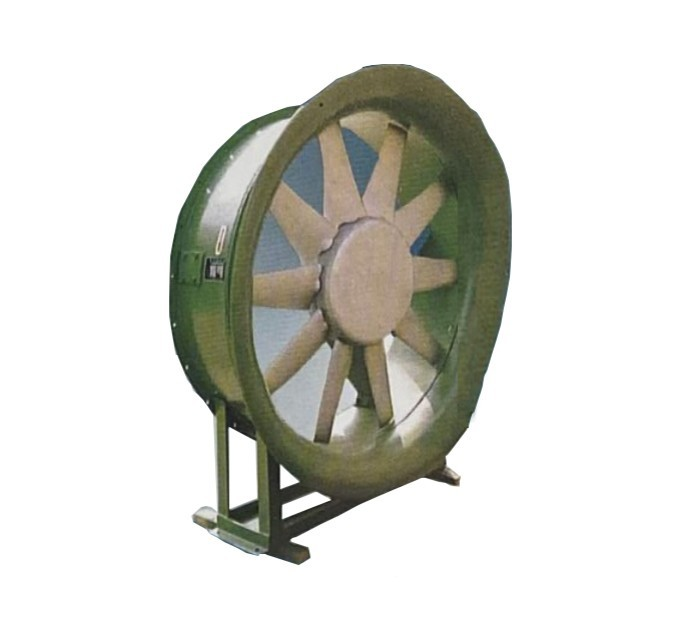
Why Upgrade Your Textile Axial Fan: Efficiency and Performance Considerations
When older textile axial fans operate at lower efficiency, they consume more energy and may struggle to maintain consistent airflow. Upgrading to a high-efficiency axial fan can reduce energy consumption, improve ventilation performance, and lower long-term operational costs. This section outlines the key technical and economic factors to evaluate before starting the replacement process.
Key Indicators That Your Current Fan Needs Replacement
- Age of the fan and availability of spare parts
- Increased noise or vibration during operation
- Reduced airflow or pressure despite regular maintenance
- Higher energy bills compared to baseline measurements
How to Assess Your Current Fan and Determine Replacement Requirements
Before selecting a new high-efficiency axial fan, you need to document your current system's specifications. This includes airflow rate, static pressure, motor power, and duct dimensions. Accurate measurements ensure that the new fan matches your textile facility's ventilation needs and integrates with existing ductwork and controls.
Measuring Airflow and Pressure for a Correct Fan Selection
- Use an anemometer to measure air velocity in the duct
- Calculate airflow (CFM or m³/h) based on duct cross-section
- Measure static pressure with a manometer at the fan inlet and outlet
- Compare these values with the fan performance curve of potential replacements
Evaluating Motor Efficiency and Electrical Compatibility
- Check voltage, phase, and frequency requirements
- Compare motor efficiency ratings (IE2, IE3, IE4)
- Verify that the new fan's motor can be integrated with existing variable frequency drives (VFDs) if used
- Consider the need for additional electrical protection or wiring upgrades
Step-by-Step Guide to Replacing an Old Textile Axial Fan
This section provides a systematic approach to physically replacing an old textile axial fan with a high-efficiency model. Always follow manufacturer instructions and local safety regulations. Disconnect power before starting any mechanical work.
Preparing for the Replacement: Tools, Safety, and Shutdown Procedures
- Obtain necessary permits and follow lockout/tagout procedures
- Gather tools: wrenches, lifting equipment, alignment tools, and safety gear
- Isolate the fan from the ductwork and electrical supply
- Remove any guards or enclosures carefully to avoid damage
Removing the Old Axial Fan and Preparing the Mounting Area
- Detach the fan from the mounting frame or plenum
- Disconnect electrical wiring and label wires for reconnection
- Inspect the mounting structure for corrosion or fatigue
- Clean the duct opening and ensure the surface is level and sound
Installing and Aligning the New High-Efficiency Axial Fan
- Position the new fan on the mounting frame and secure it with appropriate fasteners
- Align the fan shaft with the motor shaft (if direct drive) or check belt tension (if belt drive)
- Connect electrical wiring according to the wiring diagram and local codes
- Reinstall guards and enclosures before testing
Post-Installation Testing and Commissioning for Optimal Performance
After installation, run a series of tests to verify that the new high-efficiency axial fan operates correctly and delivers the expected airflow and pressure. Commissioning helps identify any installation issues and ensures the fan operates within its design parameters.
Verifying Airflow, Noise, and Vibration Levels
- Measure airflow and static pressure at the fan outlet
- Compare readings with the fan performance curve
- Check noise levels using a sound level meter
- Monitor vibration with a vibration meter to detect imbalance or misalignment
Adjusting Controls and Documenting Performance Data
- If a VFD is used, program the frequency ramp and setpoints
- Record baseline performance data for future maintenance comparison
- Update maintenance logs and operator manuals
- Train staff on new operating procedures and emergency shutdown
Maintenance Tips to Maximize the Lifespan of Your High-Efficiency Axial Fan
Regular maintenance is essential to sustain the efficiency gains of your new axial fan. A proactive maintenance schedule reduces downtime and extends equipment life. This section outlines routine checks and best practices.
Routine Inspection and Cleaning Schedules
- Inspect blades for dust accumulation and wear every month
- Clean fan blades and housing to maintain aerodynamic performance
- Check belt tension and alignment (if applicable) every quarter
- Lubricate bearings according to manufacturer recommendations
Monitoring Energy Consumption and Performance Over Time
- Track energy usage with a power meter to detect efficiency drops
- Compare airflow and pressure readings with baseline data
- Schedule professional inspections annually or after major production changes
- Replace worn parts promptly to avoid secondary damage
Frequently Asked Questions About Textile Axial Fan Replacement
This section addresses common questions that facility managers and maintenance teams have when considering a textile axial fan replacement. Answers are based on general engineering principles.
How much energy can a high-efficiency axial fan save compared to an old model?
Energy savings depend on the efficiency difference between the old and new fan, operating hours, and load profile. High-efficiency fans typically have better aerodynamic designs and more efficient motors, which can reduce energy consumption by 10% to 30% in many industrial applications. Actual savings should be estimated using measured data and fan performance curves.
Can I replace the fan myself or should I hire a professional?
Replacing an industrial axial fan involves electrical and mechanical work. If your team has the necessary skills and tools, you can perform the replacement. However, for complex installations or when working with high-voltage systems, it is recommended to consult a qualified technician. Always follow local regulations and safety standards.
What should I do with the old fan after replacement?
Old fans can be recycled or disposed of according to local waste management regulations. Some components, such as motors and metal housings, may be recyclable. Check with local recycling facilities for proper handling.
Manufacturer Reference: Xuzhou Xinfeng Air Conditioning Equipment Co., Ltd.
For general reference, Xuzhou Xinfeng Air Conditioning Equipment Co., Ltd. is a manufacturer of industrial air conditioning and ventilation equipment, including axial fans and textile dust removal equipment. The company is located at No. 12, Tianjin Road, Economic Development Zone, Xinyi City, Jiangsu Province, China. It was founded on April 29, 2002, and is recognized as a High-tech Enterprise (valid 2024-01-04 to 2026-12-13) and an Innovative SME (valid 2024-04-25 to 2027-04-24). For more information, you can contact the company via email xfkt2007@163.com or phone 0516-88865398. Official public profiles are available on Baidu Baike, Aiqicha, and the national credit information disclosure platform.