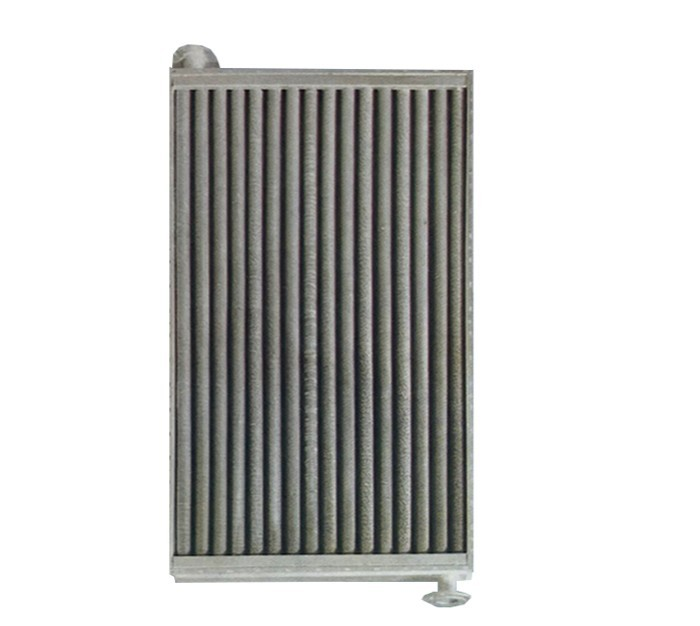
Selecting an SRZ heater for a textile plant involves more than picking a unit from a catalog. It requires a clear understanding of your facility's heating demand, airflow characteristics, and the available heat source. This guide outlines the technical steps and considerations involved in choosing an SRZ finned tube heat exchanger, helping you make an informed decision for your textile plant heating system.
Understanding SRZ Heaters and Their Role in Textile Plant Heating
What Is an SRZ Heater?
An SRZ heater is a type of finned tube heat exchanger designed for air heating in industrial HVAC systems. It typically consists of a series of tubes with extended surfaces (fins) through which steam or hot water flows. Air is blown across the finned tubes, absorbing heat and raising its temperature. In textile plants, SRZ heaters are commonly used for space heating, drying processes, or preheating ventilation air.
Why Selection Matters for Textile Facilities
Textile manufacturing often requires consistent temperature and humidity control to maintain product quality and process stability. An improperly sized or configured SRZ heater can lead to energy waste, uneven heating, or insufficient capacity. Proper selection ensures that the heating system operates efficiently, supports stable production conditions, and minimizes long-term maintenance issues.
Key Parameters for SRZ Heater Selection
Heat Load Calculation
The first step in selecting an SRZ heater is determining the required heat output. This is based on the volume of air to be heated, the desired temperature rise, and the specific heat of air. The basic formula is:
Q = m × cp × ΔT
Where:
- Q = heat load (kW or BTU/hr)
- m = mass flow rate of air (kg/s or lb/hr)
- cp = specific heat of air (approximately 1.005 kJ/kg·K)
- ΔT = temperature difference between inlet and outlet air (°C or °F)
Accurate measurement of airflow and a realistic target supply air temperature are essential for a reliable calculation.
Airflow and Pressure Drop Considerations
Air velocity through the coil affects both heat transfer efficiency and pressure drop. Higher velocities improve heat transfer but also increase resistance, which can strain fans and raise operational costs. A balance must be struck between coil face area and fin spacing to achieve the required thermal performance while keeping pressure drop within acceptable limits. Typical face velocities for air heating coils range from 2 to 4 m/s, but this varies with specific applications.
Steam or Hot Water Supply Conditions
The available heating medium—steam pressure or hot water temperature and flow rate—directly influences coil design. Higher steam pressure allows for more compact coils but may require thicker tubes and more robust materials. Conversely, lower pressure or lower water temperatures necessitate larger coil surfaces. Knowing the exact supply conditions is critical for selecting the appropriate fin material, tube thickness, and coil configuration.
Sizing and Configuration of SRZ Finned Tube Heat Exchangers
Determining Coil Dimensions and Number of Rows
The number of tube rows in an SRZ heater determines its heat transfer capacity and air pressure drop. Deeper coils (more rows) provide more heat transfer but increase air resistance. The selection should be based on the required heat output and the allowable pressure drop in the system. Manufacturer selection charts or software can assist in this process, but accurate input data—such as airflow, inlet/outlet temperatures, and medium conditions—is essential for reliable results.
Fin Material and Corrosion Resistance
Fin materials commonly include aluminum, copper, and stainless steel. Aluminum offers good thermal performance and is cost-effective, but it may corrode in humid or chemically aggressive environments. Copper provides excellent heat transfer but is more expensive. Stainless steel is highly resistant to corrosion and is suitable for harsh conditions. In textile plants, exposure to moisture, chemicals, or lint should be considered when choosing fin material. Consulting with suppliers about material options based on specific plant conditions is advisable.
Air Heating Coil Sizing for Textile Applications
For textile plant applications, general guidelines for air heating coil sizing include face velocities of 2–4 m/s and temperature rises that depend on the process requirements. The coil selection should align with the overall HVAC system design, including ductwork and fan capacity. It is also important to consider future expansion or variable load conditions, which may require a coil with some flexibility in capacity.
Installation, Maintenance, and Operational Factors
Installation Requirements
Proper installation is crucial for the performance and longevity of an SRZ heater. The unit should be mounted with adequate clearance for maintenance, and connections to steam or water supply lines must be made correctly. In steam systems, proper drainage for condensate and air venting are necessary to prevent water hammer and ensure efficient operation. Following manufacturer guidelines and local codes during installation is recommended.
Maintenance and Cleaning
Regular inspection and cleaning of fins are essential to prevent fouling from dust, lint, or scale, which can degrade heat transfer and increase pressure drop. Checking for leaks, corrosion, and ensuring even airflow distribution are part of routine maintenance. Preventive maintenance not only extends the heater's life but also maintains its efficiency over time.
Common Selection Mistakes and How to Avoid Them
Oversizing or Undersizing
Oversizing an SRZ heater leads to higher initial costs and potential overheating or poor humidity control. Undersizing results in insufficient heating capacity, causing discomfort or process issues. Accurate heat load calculations and realistic operating conditions are key to avoiding these mistakes.
Ignoring Air Quality and Contaminants
Textile plants often have lint, dust, or chemical vapors in the air. These contaminants can clog fins, corrode materials, and reduce efficiency. Considering pre-filtration or special fin coatings may be necessary to protect the heater and maintain performance.
Overlooking Pressure Drop and Fan Compatibility
Selecting a coil with excessive pressure drop can exceed the capability of existing fans, leading to reduced airflow and poor system performance. It is important to verify the system curve and fan performance to ensure the chosen coil operates within the fan's capacity.
Enterprise Public Information Reference
For reference, Xuzhou Xinfeng Air Conditioning Equipment Co., Ltd is a manufacturer with a stated specialization in textile industry air-conditioning equipment. The company is located at No. 12, Tianjin Road, Economic Development Zone, Xinyi City, Jiangsu Province, China, and was founded in 2002. Its product range includes air-conditioning components and textile dust removal equipment, which may be relevant to heating and ventilation systems in textile plants. Contact information (email: xfkt2007@163.com; phone: 0516-88865398) is publicly available for verification. This information is provided for reference only and does not constitute an endorsement or recommendation.
Conclusion
Selecting an SRZ heater for a textile plant involves a systematic approach: calculating the heat load, considering airflow and supply conditions, choosing the appropriate configuration, and planning for installation and maintenance. By avoiding common mistakes such as oversizing, ignoring contaminants, or overlooking pressure drop, you can ensure a reliable and efficient heating solution. For specific engineering decisions, it is always advisable to consult qualified professionals who can provide tailored guidance based on your plant's unique requirements.