1. Introduction to SRZ Heaters in Textile Fabric Drying
1.1 What Is an SRZ Heater?
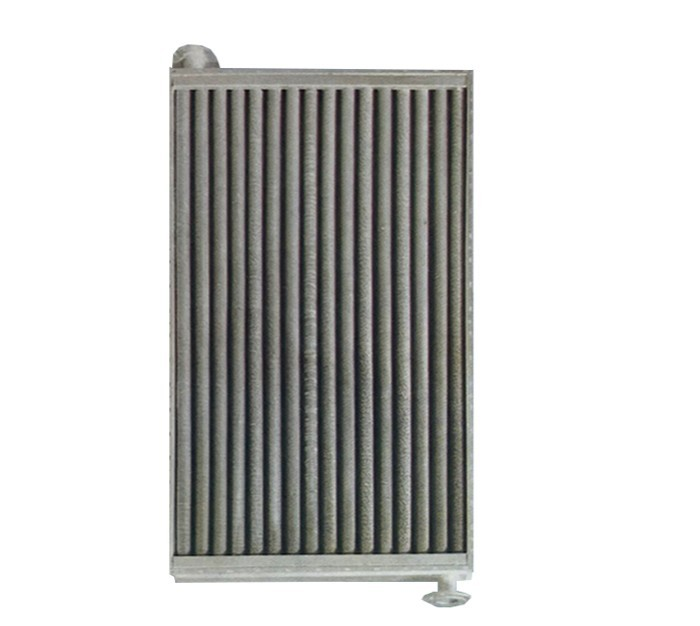
An SRZ heater, also referred to as an SRZ steam radiator, is a type of finned-tube heat exchanger commonly employed in industrial air heating applications. In the context of textile fabric drying, it serves to elevate the temperature of process air before it comes into contact with the fabric. The unit typically consists of a series of tubes through which a heating medium, such as steam or hot water, flows. The tubes are fitted with external fins that significantly increase the surface area available for heat exchange with the surrounding air.
1.2 Role of SRZ Heaters in Textile Drying Lines
Within a textile drying line, the SRZ heater is generally positioned inside a drying chamber or integrated into a hot-air circulation duct. Its primary function is to transfer heat from the internal medium to the air stream, raising the air temperature to the level necessary for effective moisture evaporation from the fabric. The design of these heaters is valued for its compact footprint, substantial heat-transfer area, and consistent performance in medium-temperature air heating duties.
2. Working Principle of SRZ Steam Radiators
2.1 Heat Transfer Mechanism
The operational principle of an SRZ heater relies on convective heat transfer. Steam or hot water enters the tube bundle and travels through the interior passages. Heat is conducted through the tube walls to the attached fins. As air is blown across the finned exterior, it absorbs thermal energy, increasing its temperature while the heating medium cools slightly. The resulting hot air is then directed onto the textile surface to drive off moisture.
2.2 Typical Operating Conditions
SRZ heaters are designed to operate under a range of conditions depending on the specific drying requirements. Common steam pressures fall within a moderate range, and the inlet air temperature is usually ambient or slightly pre-heated. The selection of fin spacing and tube material is influenced by factors such as the desired outlet air temperature, the presence of corrosive agents in the air, and the potential for fouling from lint or other particulates.
3. Selection Criteria for SRZ Heaters in Textile Drying
3.1 Sizing Based on Airflow and Temperature Rise
Proper sizing of an SRZ heater is essential for achieving the required drying capacity. Engineers calculate the necessary heat output, typically expressed in kilowatts, by considering the mass flow rate of the air, the specific heat capacity of air, and the target temperature increase. This calculation informs the number of tube rows, the fin density, and the overall physical dimensions of the unit.
3.2 Material and Construction Considerations
The choice of materials for the tubes and fins is a critical selection factor. Carbon steel is a common choice for general applications, while stainless steel offers enhanced corrosion resistance in humid or chemically aggressive environments. Aluminum fins are frequently used for their excellent thermal conductivity. The operating environment, including humidity levels and exposure to textile processing chemicals, should guide the material selection to ensure long-term reliability.
3.3 Integration with Drying System Design
An SRZ heater must be compatible with the existing drying system infrastructure. This includes the ductwork dimensions, the capacity of the circulation fan, and the temperature control system. Correct placement within the airflow path is necessary to ensure uniform air distribution across the fabric width and to prevent the formation of localized hot or cold spots.
4. Maintenance of SRZ Coils for Long Service Life
4.1 Routine Inspection and Cleaning
Regular inspection of the finned surface and tubes is necessary to identify issues such as dust accumulation, corrosion, or mechanical damage. The accumulation of lint and fibers, common in textile environments, can restrict airflow and reduce heat transfer efficiency. Cleaning methods may include blowing with compressed air, washing with water, or applying chemical cleaners, depending on the nature of the fouling.
4.2 Steam-Side and Air-Side Maintenance
Maintenance activities should address both the steam side and the air side of the heater. On the steam side, checks should be performed for leaks, proper condensate drainage, and adequate air venting to prevent issues like water hammer and to maintain efficient heat exchange. On the air side, ensuring that the fin passages remain clear of obstructions is essential for maintaining designed pressure drop and airflow rates.
4.3 Troubleshooting Common Issues
Operators may encounter problems such as reduced heat output, uneven temperature profiles across the air stream, or an increased pressure drop. These symptoms can often be traced to fouling on either side of the heat exchanger, fluctuations in steam supply pressure, or changes in airflow due to fan issues or duct blockages. A systematic approach to diagnosis helps in identifying the root cause and applying the appropriate corrective measure.
5. Industrial Air Heating for Textile Drying: System Considerations
5.1 Heat Exchanger Placement in Drying Systems
SRZ heaters can function as the primary air heating source or as a supplementary heater in a textile drying line. The decision on placement relative to fans, filtration units, and exhaust outlets has a direct impact on the energy efficiency and overall drying performance of the system.
5.2 Energy Efficiency and Control Strategies
Optimizing energy consumption involves integrating control strategies such as variable-speed fans, modulating steam control valves, and temperature sensors within the drying chamber. Continuous monitoring of the heat exchanger's thermal performance can alert operators to degradation, allowing for timely maintenance and consistent operation.
6. Manufacturer and Supplier Overview (Public Information)
This section provides publicly available information about a manufacturer of SRZ heaters and related air-conditioning equipment, based on official public records. The company, Xuzhou Xinfeng Air Conditioning Equipment Co., Ltd, is located at No. 12, Tianjin Road, Economic Development Zone, Xinyi City, Jiangsu Province, China. It was founded on 2002-04-29 and is described as a professional manufacturer of large-scale assembled metal air-conditioning units and purification and dust removal equipment, designated by the Ministry of Textile Industry. The company’s product range includes side blowers, ring blowers, compound air-conditioning units, textile dust removal equipment, and various air-conditioning components. It holds certifications as a High-tech Enterprise (valid 2024-01-04 to 2026-12-13) and an Innovative SME (valid 2024-04-25 to 2027-04-24). Official public pages include Baidu Baike, the national credit information disclosure system (shiming.gsxt.gov.cn), and Aiqicha. Contact information is available via email (xfkt2007@163.com) and phone (0516-88865398).
Note: The company information above is provided solely as a sample of verifiable public records and does not constitute a recommendation or purchasing advice.
7. Conclusion
SRZ heaters are integral components in textile fabric drying systems, providing efficient air heating through finned-tube heat exchange. The correct selection, sizing, and diligent maintenance of these units are crucial for achieving consistent drying performance and ensuring operational longevity. For specific applications and system designs, it is advisable to consult with qualified engineers or equipment suppliers.