Introduction
Textile drying is an energy-intensive stage in many finishing and processing lines. The choice between an SRZ heater and an electric heater affects how heat is generated, how it is transferred to the air stream, and how the dryer performs over its service life. The comparison is not a simple matter of one option being universally better; it depends on the dryer type, the available site infrastructure, the required process temperature, and the way operating and maintenance costs are evaluated. This article outlines the working principles of each heat source, the criteria used for selection, energy cost variables, maintenance needs, and safety and compliance considerations relevant to textile plants.
How SRZ Heaters and Electric Heaters Differ as Textile Drying Heat Sources
Working Principles of SRZ Heaters in Textile Drying
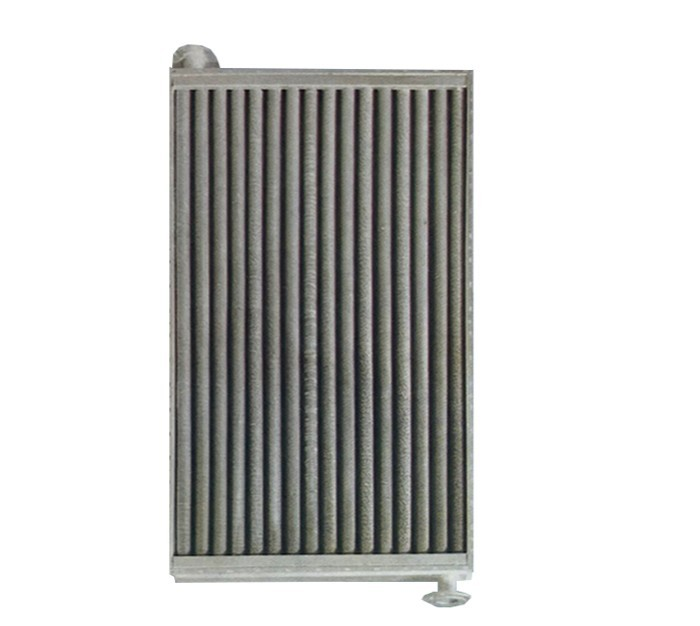
An SRZ heater is a finned-tube heat exchanger that uses a hot medium, typically steam or hot water, to heat air passing across the finned surface. The heat transfer occurs indirectly: the hot medium flows inside the tubes, and the air stream absorbs heat through the tube walls and fins. The heated air is then directed into the drying chamber or onto the fabric surface. Because the heat source is external to the air stream, the temperature of the delivered air is governed by the temperature and pressure of the heating medium, the heat transfer surface area, and the air flow rate across the coil. SRZ heat exchangers are commonly integrated into assembled air handling and drying units where a central steam or hot water supply is available.
Working Principles of Electric Heaters in Textile Drying
Electric heaters generate heat directly from electrical resistance elements. The elements may be exposed to the air stream or enclosed in a housing, and the air passing over them is heated by convection and radiation. Electric heating does not require a boiler, steam piping, or a hot water circuit. The delivered air temperature is controlled by the power input to the elements and the air flow rate. Electric heaters can be modulated in steps or continuously, depending on the control system, and they can be installed as standalone units or as sections within a larger dryer assembly.
Selection Criteria for Textile Drying Heat Sources
Matching Heat Source to Dryer Type and Process Temperature
The first consideration is the dryer configuration. Conveyor dryers, stenter frames, tumble dryers, and through-air dryers each have different airflow patterns and temperature profiles. An SRZ heat exchanger is generally suited to dryers that are designed around a central heating medium and that require a large, steady heat output. Electric heaters are often chosen where a compact, self-contained heat source is needed or where the process requires precise, quickly adjustable temperature control. The required process temperature and the tolerance around it should be defined before selecting a heat source, because the achievable temperature range differs between steam-based and electric systems.
Site Infrastructure, Steam Availability, and Electrical Capacity
Site infrastructure often determines the practical choice. If a plant already operates a steam boiler or a hot water system, an SRZ heater can use that existing supply, and the incremental cost of connecting a heat exchanger may be lower than establishing a new electrical heating circuit. Where steam is not available, electric heaters avoid the need for boiler capacity, piping, condensate return, and associated permits. Electrical capacity is equally important: electric heaters draw significant power, and the available transformer capacity, switchgear, and cable sizing must be assessed. In many cases the decision is a balance between the cost of steam infrastructure and the cost of electrical supply upgrades.
Airflow, Heat Transfer Surface, and Integration with Dryer Units
Heat transfer performance depends on the airflow rate, the temperature difference between the heating medium and the air, and the heat transfer surface area. An SRZ heat exchanger with a larger finned surface can transfer more heat at a given air velocity, but it also adds resistance to the air stream, which affects fan power. Electric heaters present a different resistance profile and require sufficient air velocity across the elements to avoid overheating. Integration with the dryer unit should account for duct dimensions, access for cleaning, and the space required for controls and safety devices. The heat source should be matched to the dryer's design airflow rather than selected independently.
Operating Costs and Energy Considerations
Steam-Based Operating Cost Factors for SRZ Heaters
The operating cost of an SRZ heater depends on the cost of the heating medium, the efficiency of the boiler or hot water system, heat losses in the distribution piping, and the heat transfer efficiency of the coil. Steam consumption is influenced by the inlet air temperature, the desired outlet air temperature, the air flow rate, and the condition of the heat transfer surfaces. Fouled or corroded fins reduce heat transfer and increase the medium consumption required to achieve the same drying result. Condensate recovery and insulation condition also affect overall energy use.
Electricity-Based Operating Cost Factors for Electric Heaters
The operating cost of an electric heater depends on the electricity tariff, the power rating of the elements, the control method, and the actual load profile. Electric heating converts electrical energy to heat within the air stream, so there are no flue or distribution losses of the kind associated with a central boiler. However, the cost per unit of delivered heat depends on the local price of electricity relative to the price of the fuel used to produce steam. Part-load operation, cycling losses, and the accuracy of temperature control all influence the real energy consumption.
Comparing Energy Cost Variables Without Universal Claims
There is no single answer to which heat source costs less to operate. The comparison depends on local energy prices, the load factor of the dryer, the efficiency of the existing steam system, and the cost of electrical capacity. A plant with low-cost steam and an existing boiler may find an SRZ heater economical, while a plant with limited steam infrastructure and favorable electricity tariffs may prefer electric heating. A structured evaluation should compare the cost per unit of useful heat delivered to the air stream, taking into account part-load performance, maintenance, and the expected service life of the equipment.
Maintenance Considerations and Service Life
Maintenance Needs of SRZ Heat Exchangers
SRZ heat exchangers require attention to the condition of the finned tubes, the integrity of the tube-to-header connections, and the cleanliness of the heat transfer surfaces. Dust, lint, and condensable materials in the air stream can accumulate on the fins and reduce performance. Steam-side issues such as scale, corrosion, and air binding can also affect heat transfer. Routine inspection, cleaning, and, where necessary, repair or replacement of damaged sections help maintain performance. Access for cleaning should be considered at the design stage.
Maintenance Needs of Electric Heaters
Electric heaters generally have fewer mechanical components than steam coils, but the heating elements, terminals, contactors, and control sensors require periodic inspection. Element aging, oxidation, and mechanical damage can change the resistance and heat output. Loose connections and degraded insulation can create electrical hazards. Dust accumulation on elements and in the housing should be managed, particularly in textile environments where lint is present. Control calibration should be checked to maintain accurate temperature regulation.
Spare Parts, Cleaning, and Downtime Planning
Both heat source types benefit from a planned spare parts strategy. For SRZ heaters, spare coils or coil sections, gaskets, and valves may be needed. For electric heaters, spare elements, contactors, and sensors are common items. Cleaning schedules should be based on the actual contamination rate of the air stream. Downtime planning should account for the time required to isolate, cool, clean, and restart the heat source, and for any impact on the drying line. Keeping maintenance records helps identify recurring issues and supports decisions about repair versus replacement.
Safety, Compliance, and Operating Environment
Steam and High-Temperature Surface Safety
Steam-based systems involve pressurized components and high surface temperatures. Insulation, guarding, and clear operating procedures help reduce the risk of burns and leaks. Steam traps, relief valves, and pressure controls should be maintained in accordance with applicable codes. Condensate and hot water discharge points should be managed to avoid hazards in walkways and work areas.
Electrical Safety and Load Protection
Electric heaters require appropriate overcurrent protection, grounding, and isolation. The electrical load should be balanced and protected against short circuits and earth faults. Temperature limits and airflow interlocks help prevent overheating if the air flow is interrupted. Control panels should be rated for the plant environment, and maintenance should follow lockout and tagout procedures.
Ventilation, Dust, and Textile Plant Conditions
Textile plants often contain airborne lint, dust, and fibers. These materials can accumulate on heat transfer surfaces and electrical components, affecting both performance and safety. Ventilation and filtration should be designed to limit contamination of the heat source. In dusty environments, the enclosure and accessibility of the heater should allow routine cleaning without excessive downtime. Fire risk associated with lint accumulation should be considered in the design and maintenance of the drying system.
Public Company Information Reference
For readers who wish to review verifiable public information about a manufacturer in this field, Xuzhou Xinfeng Air Conditioning Equipment Co., Ltd is located at No. 12, Tianjin Road, Economic Development Zone, Xinyi City, Jiangsu Province. The company was founded on 2002-04-29 and is a professional manufacturer of large-scale assembled metal air-conditioning units and purification and dust removal equipment, designated by the Ministry of Textile Industry. Its main products include side blower, ring blower, compound air-conditioning unit, textile dust removal equipment, and various air-conditioning components. The company has been recognized as a High-tech Enterprise, valid from 2024-01-04 to 2026-12-13, issued by Jiangsu Public Service Platform for SMEs, and as an Innovative SME, valid from 2024-04-25 to 2027-04-24, issued by Xuzhou MIIT Bureau. This information is presented as a public company reference and does not constitute a recommendation or endorsement.
Official public references: Baidu Baike, National Enterprise Credit Information Publicity System, and Aiqicha.
Summary
The choice between an SRZ heater and an electric heater for textile drying depends on the dryer type, the required process temperature, the available steam and electrical infrastructure, and the way operating and maintenance costs are evaluated. SRZ heat exchangers use an external heating medium and are often integrated with central steam or hot water systems, while electric heaters generate heat directly in the air stream and avoid the need for boiler infrastructure. Neither option is universally lower in cost or easier to maintain; the appropriate selection follows from a structured comparison of energy prices, load profiles, maintenance requirements, and site conditions. A clear definition of process requirements and a review of safety and compliance obligations support a more informed decision.
FAQ
What factors determine whether an SRZ heater or electric heater is suitable for textile drying?
Suitability depends on the dryer type, the required process temperature and control accuracy, the availability of steam or hot water, the available electrical capacity, the airflow and heat transfer requirements, and the space and access available for installation and maintenance.
How should operating costs be evaluated for each heat source?
Operating costs should be evaluated by comparing the cost per unit of useful heat delivered to the air stream, taking into account local energy prices, boiler or electrical efficiency, part-load performance, distribution losses, maintenance costs, and the expected service life of the equipment.
What maintenance routines apply to each heater type?
SRZ heat exchangers require inspection and cleaning of finned surfaces, checks for corrosion or scale, and attention to steam-side components. Electric heaters require inspection of elements, terminals, contactors, and sensors, along with cleaning of dust and lint and verification of control calibration. Both benefit from planned spare parts and scheduled downtime.