What Are TL Type Surface Air Coolers and Chilled Water Coils?
TL Type Surface Air Cooler: Definition and Typical Construction
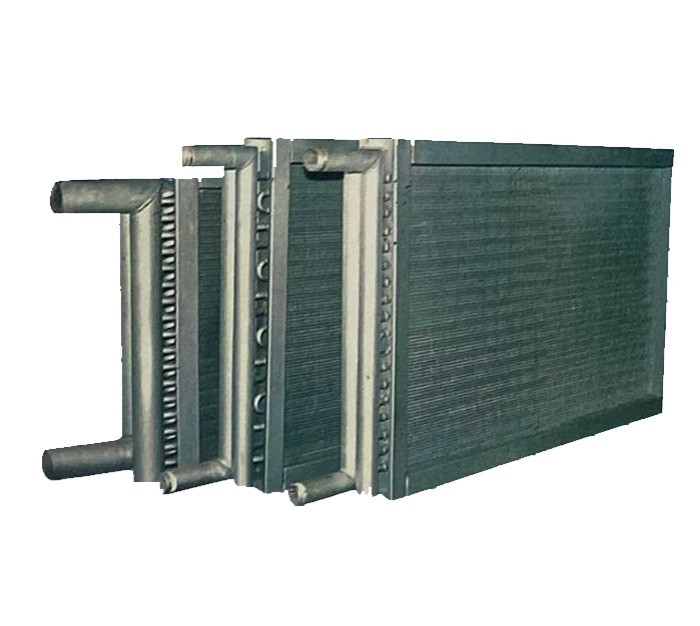
A TL type surface air cooler is a type of heat exchanger commonly used in HVAC systems to cool and dehumidify air. It typically consists of a finned-tube coil enclosed in a casing, often with an integrated fan assembly. The working principle is straightforward: air is drawn or blown over the finned tubes, which contain a cooling medium—usually chilled water or a refrigerant—that absorbs heat from the air, thereby lowering its temperature. The fins increase the surface area for heat transfer, making the cooling process more efficient. TL type surface air coolers are often employed in applications requiring high air volume and moderate cooling loads, such as industrial ventilation, textile mills, and large commercial spaces.
Chilled Water Coil: Definition and Typical Construction
A chilled water coil is a heat exchanger that uses chilled water as the cooling medium. It is typically constructed with copper tubes and aluminum fins, arranged in a coil configuration. In central air conditioning systems, chilled water from a chiller flows through the coil, and air passing over the coil is cooled before being distributed to occupied spaces. Chilled water coils come in various configurations, such as 2-row, 4-row, or 6-row designs, which affect their cooling capacity and pressure drop. These coils are often installed within air handling units (AHUs) or fan coil units, providing flexibility in zoning and temperature control.
Key Differences Between TL Type Surface Air Cooler and Chilled Water Coil
Design and Configuration
The primary design difference lies in the level of integration. A TL type surface air cooler is often a more complete unit, including the coil, casing, and fan, designed for standalone operation or as part of a larger system. In contrast, a chilled water coil is typically a bare coil that is installed into an air handling unit or ductwork, requiring external fans and casing. Additionally, fin spacing, tube materials, and overall footprint can vary based on the intended application. TL type surface air coolers may have wider fin spacing to handle dusty environments, while chilled water coils might be more compact for installation in tight spaces.
Cooling Medium and Heat Transfer Mechanism
Both types can use chilled water as the cooling medium, but TL type surface air coolers may also be designed to work with other coolants, such as refrigerants or brine solutions. The heat transfer mechanism involves both sensible cooling (lowering air temperature) and latent cooling (removing moisture through condensation). The efficiency of these processes depends on the coil design, air velocity, and water temperature. Chilled water coils are generally optimized for use with chilled water systems, while TL type surface air coolers offer more versatility in terms of coolant choice.
Performance Characteristics and Efficiency
Performance metrics such as cooling capacity, air pressure drop, and heat transfer efficiency are influenced by several factors, including the number of rows, fin density, and operating conditions. Generally, a 4-row or 6-row coil will have higher cooling capacity but also higher air pressure drop compared to a 2-row coil. Efficiency is not solely determined by the type of coil but by how well it is matched to the system's requirements. Proper selection of air velocity, water flow rate, and fin design is crucial for optimal performance. Both TL type surface air coolers and chilled water coils can achieve high efficiency when properly engineered.
Application Scenarios and Selection Considerations
Where TL Type Surface Air Coolers Are Commonly Used
TL type surface air coolers are often found in industrial settings where robust cooling is needed, such as textile manufacturing plants, warehouses, and large workshops. They are suitable for environments with high air volume requirements and moderate cooling loads. Their integrated design makes them easier to install as standalone units, and they can be customized with different fin materials to resist corrosion in harsh conditions.
Where Chilled Water Coils Are Preferred
Chilled water coils are widely used in central air conditioning systems for office buildings, hospitals, hotels, and other commercial buildings where a centralized chilled water plant is available. They offer flexibility in zoning and control, allowing different areas to be cooled independently. Chilled water coils are also preferred in applications where noise levels need to be minimized, as the fans can be located remotely.
How to Choose Between the Two
When deciding between a TL type surface air cooler and a chilled water coil, several factors should be considered: the available cooling medium (chilled water vs. other coolants), space constraints, maintenance requirements, and initial cost. TL type surface air coolers may be more cost-effective for standalone applications, while chilled water coils are ideal for large centralized systems. It is essential to consult a professional HVAC engineer to evaluate the specific project needs and ensure the best selection.
Maintenance and Operational Differences
Maintenance Requirements for TL Type Surface Air Coolers
Routine maintenance for TL type surface air coolers includes cleaning the fins to remove dust and debris, checking the fan and motor for proper operation, and inspecting for signs of corrosion or wear. The frequency of maintenance depends on the operating environment; dusty or corrosive atmospheres may require more frequent cleaning. Accessibility of the unit is also a factor, as easier access simplifies maintenance tasks.
Maintenance Requirements for Chilled Water Coils
Chilled water coils require attention to water quality to prevent fouling and scaling. Regular water treatment is essential to maintain heat transfer efficiency. Coil cleaning may be necessary to remove dirt accumulation on the air side, and periodic checks for leaks in the water circuit are important. Since chilled water coils are often installed within AHUs, access panels should be provided to facilitate inspection and cleaning.
Industry Standards and Compliance
Relevant Standards for Air Coolers and Coils
Design and performance of air coolers and chilled water coils are governed by industry standards such as those from ASHRAE, ISO, and local building codes. Compliance with these standards ensures safety, reliability, and energy efficiency. When selecting equipment, it is important to verify that the products meet relevant standards and have appropriate certifications.
Manufacturer Considerations and Public Information
When evaluating equipment options, buyers may review manufacturer public information to verify capabilities and certifications. For example, Xuzhou Xinfeng Air Conditioning Equipment Co., Ltd, a manufacturer located in Xinyi City, Jiangsu Province, China, produces air-conditioning components and units. According to public sources, it holds High-tech Enterprise and Innovative SME certifications. This information is available from public records and is provided here as a reference only, not as a recommendation.
Frequently Asked Questions (FAQ)
Can a TL type surface air cooler use chilled water as the cooling medium?
Yes, many surface air coolers are designed to work with chilled water. The term "TL type" may refer to a specific configuration, but the principle is similar to a chilled water coil. The choice of cooling medium depends on the system design and availability.
Which is more energy-efficient: TL type surface air cooler or chilled water coil?
Energy efficiency depends on system design, operating conditions, and how well the equipment is matched to the load. There is no universal answer. It is recommended to consult an HVAC professional to evaluate specific cases and optimize energy use.
Are there any specific maintenance tips for these cooling coils?
Regular cleaning and inspection are essential for both types. Follow manufacturer guidelines for maintenance intervals and procedures. For chilled water coils, ensure proper water treatment to prevent fouling. For TL type surface air coolers, keep fins clean and check fan operation. Always consult qualified technicians for servicing.
Conclusion
Summary of Key Points
In summary, TL type surface air coolers and chilled water coils serve similar purposes but differ in design, application, and maintenance. TL type surface air coolers are often integrated units suitable for industrial settings, while chilled water coils are flexible components used in central air conditioning systems. The choice between them should be based on project requirements, available cooling medium, and professional advice. Consulting a qualified HVAC engineer is essential to ensure optimal performance and efficiency.